

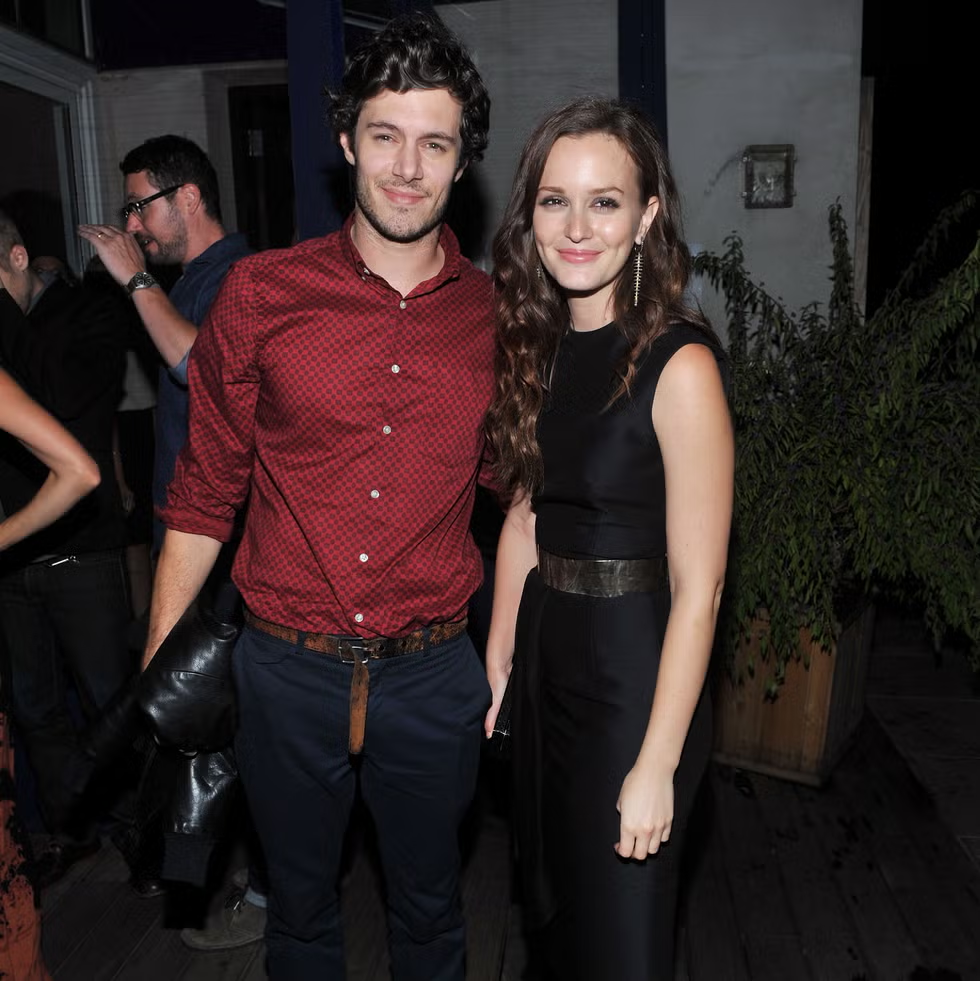
Hollywood rarely does nuance well, but sometimes the people inside it manage to pull it off. Erin Foster, the Jewish creator behind Netflix’s breakout romantic comedy Nobody Wants This, has spoken openly about her disagreement with star Adam Brody over his public comments calling for a free Palestine, telling listeners of the Not Skinny Not Fat podcast this week that she and Brody simply do not see the issue the same way.
The comments add a layer of real-world tension to one of the most talked-about shows on the platform, though Foster’s response was notably measured. “Everyone is entitled to a different opinion,” she said, a phrase that sounds simple but carries considerable weight when applied to one of the most polarizing geopolitical conflicts of the modern era.
What Brody Said and Why It Matters
Adam Brody, who plays the lead male role in the Netflix series, had previously drawn attention by speaking out against what he described as the “death and misery” unfolding in Palestine amid the ongoing Israel-Gaza war. His comments, made publicly, placed him among a growing number of entertainers willing to wade into the conflict at the risk of professional backlash.
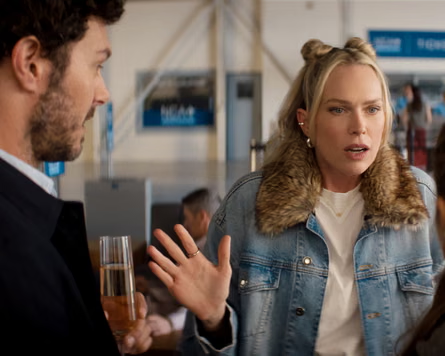
For a show whose Jewish identity is woven directly into its storytelling, Brody’s stance created an obvious talking point. Nobody Wants This centers on a Jewish rabbi navigating an unexpected romance, with Foster drawing extensively from her own background and community in crafting the series. That context makes the political divergence between creator and star all the more striking.
As reported by The Guardian, Foster addressed the gap between their views directly rather than deflecting or staying silent, which is itself a choice worth noting in an industry where silence is often the default setting when controversy arrives.
Foster’s Position: Disagreement Without Dismissal
What Foster did not do is equally revealing. She did not denounce Brody, call for any kind of distancing from him professionally, or suggest his views made him unfit for the role. Instead, she framed the disagreement as a normal feature of adult life, the kind of thing that happens when two people with different lived experiences look at the same crisis and arrive at different conclusions.
That framing is more sophisticated than it might appear at first glance. In a media climate where any statement about the Israel-Gaza conflict is immediately weaponized by one side or the other, Foster’s refusal to perform outrage or solidarity on command is its own kind of stance. She disagreed, she said so, and she kept it there.
The Broader Challenge for Jewish Creators in Hollywood
Foster’s position reflects a broader tension that many Jewish artists and creators have navigated since the conflict escalated. Supporting Israel’s right to exist, grieving civilian casualties on both sides, or taking any position that doesn’t fit neatly into an activist framework often results in being misread, misquoted, or simply cancelled. Foster has been candid in previous interviews about her Jewish identity and how it shaped Nobody Wants This, which makes her willingness to speak plainly here consistent with a pattern of directness she has maintained throughout the show’s promotion.
Brody, for his part, is among several celebrities who have used their platforms to speak about Palestinian civilian suffering. Whether one agrees with his framing or not, the act of speaking publicly about a conflict this charged carries real personal and professional risk, and that deserves acknowledgment regardless of where one lands politically.
What This Means for the Show
The practical question for fans is whether any of this affects Nobody Wants This as a viewing experience. The short answer is almost certainly no. Television shows survive, and often thrive, on the real-life complexity of the people behind them. If anything, the fact that a Jewish creator and her lead actor hold genuinely different views on one of the defining crises of their time makes the show’s exploration of Jewish identity feel more honest, not less.
Foster built a series that refuses to flatten Jewish life into a single note, and her willingness to publicly disagree with her star while clearly maintaining a functional working relationship is an extension of that same creative philosophy. Art made by people who agree on everything tends to feel like it.
Respect as the Ground Rule
What Foster modeled in her podcast appearance is something increasingly rare in public discourse: the ability to hold a disagreement without converting it into a rupture. She did not agree with Brody. She said so. She also did not suggest that his opinion made him a bad person or a wrong-headed collaborator. That kind of respectful, plain-spoken disagreement used to be the baseline expectation for public figures. Right now, it reads as almost radical.
The Israel-Gaza conflict has tested friendships, families, and workplaces around the world. That it has also found its way into the creative partnership behind one of Netflix’s most-watched comedies is unsurprising. What is worth noting is how Foster chose to handle it: with honesty, without theatrics, and with enough grace to leave space for both her view and his.
So here is the question worth sitting with: in a media landscape that rewards heat over light, is measured, public disagreement between collaborators a sign of professional maturity, or does it leave too much unsaid? What do you think? Drop your take in the comments below.