



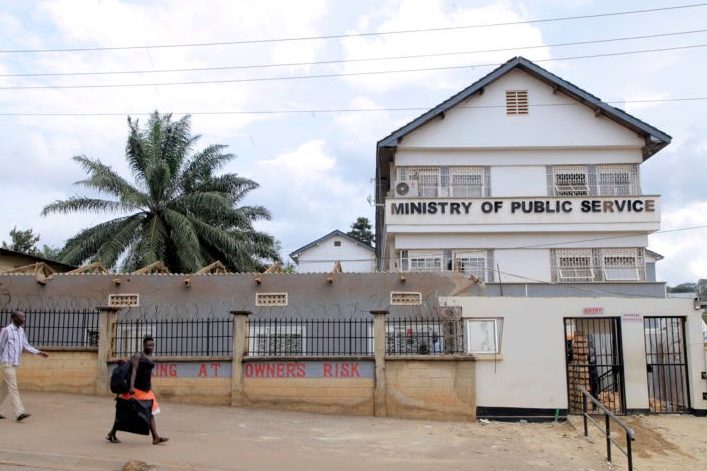
Uganda is preparing to overhaul how its government workers save for retirement, with a plan to introduce a contributory pension scheme that would require public servants to set aside a portion of their monthly salaries towards their own future benefits. The move marks a significant shift away from a system that has, for generations, placed the full cost of public sector retirement squarely on the state.
How the Current System Works, and Why It’s Struggling
Right now, Uganda’s public servants enjoy a non-contributory pension arrangement. When a government employee retires, the state pays out a lump-sum gratuity alongside monthly pension payments drawn from tax revenues and other public funds. The worker contributes nothing during their active career. The government simply picks up the tab at the end.
It sounds straightforward, but the numbers tell a more complicated story. According to the Ugandan pension reform report from Chimpreports, the International Monetary Fund has flagged the system as financially unsustainable. In its 2026 assessment of Uganda’s economy, the IMF noted that the cost of paying public service pensions is projected to rise from 0.6% of Uganda’s non-oil GDP in the 2023/24 financial year to 1% by 2033/34. That might sound like a modest increase on paper, but in a developing economy managing competing fiscal pressures, it represents a meaningful and growing strain on public finances.
The IMF specifically cited findings from the Auditor General’s 2024 audit, which pointed not only to rising costs but also to weak management within the existing scheme. “The authorities are reforming the public service pension scheme to address financial unsustainability and weak management,” the Fund stated in its 2026 Uganda report.
What the New System Would Look Like
Under the proposed reform, both the government and individual public servants would make regular monthly contributions into a dedicated retirement fund. Think of it as Uganda moving towards the kind of defined-contribution or hybrid arrangement that many countries across the world already operate, where employees and employers both chip in throughout a worker’s career, building up a retirement pot over time rather than leaving the state to write a large cheque the moment someone clocks out for the last time.
This model is not new globally. Contributory pension structures have long been standard practice in both developed and emerging economies, and they carry a well-documented advantage: they spread the financial risk and reduce the fiscal shock that comes with a rapidly growing pensioner population.
The current scheme covers around 365,000 public servants. That figure looks modest against Uganda’s total working population of approximately 20.5 million people, but those 365,000 workers represent the formal government workforce, and their pension obligations are legally guaranteed by the state. As that group ages and retires in larger numbers, the annual payout bill climbs accordingly.
The Transition Will Cost More Before It Costs Less
Here is the catch that any honest conversation about this reform must acknowledge: switching systems is not free. Uganda’s government will face a dual financial obligation during the transition period. On one side, it must continue honouring pension commitments to retired civil servants under the old non-contributory arrangement, those workers paid into nothing, so they are owed everything the original system promised. On the other side, the state will simultaneously begin contributing into the new scheme for current employees.
In short, for a period of years, Uganda will effectively be funding two pension systems at once. That is the classic transitional cost of moving from a pay-as-you-go model to a contributory one, and it demands careful fiscal planning to avoid short-term budget pain outweighing the long-term savings.
Governments that have navigated similar transitions, across Latin America, Eastern Europe, and parts of sub-Saharan Africa, have generally found that the short-term costs are manageable with the right sequencing and that the long-term fiscal relief is real. But the window of higher spending can stretch for years, sometimes a decade or more, depending on the size of the inherited liability.
Why This Reform Matters Beyond the Numbers
There is a broader principle at work here that goes beyond spreadsheets. A contributory pension system changes the psychological relationship between a worker and their retirement savings. When people see deductions on their payslip going into a fund that belongs, in part, to them, research across multiple countries consistently shows that workers develop a stronger sense of ownership over their retirement planning. That shift in mindset tends to reduce pressure on governments down the line and encourages a broader culture of financial planning.
For Uganda, where the formal pension system touches fewer than 2% of the total working population, the reform also opens a conversation about what happens to the remaining 98% of workers outside government employment. The private sector and informal economy remain largely uncovered by any formal retirement protection. Addressing the public sector scheme is a logical first step, but it will inevitably raise questions about what a sustainable, inclusive retirement system looks like for the country as a whole.
The IMF’s Role and What Comes Next
The IMF’s involvement here is consistent with its broader engagement with Uganda on fiscal sustainability. The Fund has been vocal about the need for Uganda to manage its long-term expenditure commitments carefully, particularly as the country prepares for revenues from its oil sector while simultaneously managing development spending needs.
Pension reform sits within that wider fiscal housekeeping agenda. It is not the most politically visible of reforms, but it is the kind of structural change that, if done well, quietly improves a government’s financial health over decades. The details of how contributions will be structured, what percentage workers will be required to pay, and how existing staff closer to retirement will be treated all remain to be worked through in the policy process.
What is clear is that the direction of travel has been set. Uganda’s public servants are heading towards a future where retirement is no longer entirely the government’s problem to solve, it becomes, at least in part, a shared responsibility built month by month throughout a career.
The question worth asking is this: will the Ugandan government invest seriously in financial literacy programmes to help public servants understand and trust the new system, or will a poorly communicated rollout turn a sound economic reform into a political headache?