




There is something electric about winning gold at home. When the crowd is your crowd, when the water is familiar, and when the flag being raised is your own, the moment hits differently. That was the reality for Ugandan swimmer Payton Ssekito at the 11th Africa Aquatics Zone Three Swimming Championships, held at Kampala International School, where the young athlete delivered a gold-medal performance that added serious weight to Uganda’s growing regional reputation in competitive swimming.
A Championship Held on Ugandan Ground
Hosting a continental-level aquatics competition is itself a statement. Kampala International School served as the venue for the Zone Three edition of the Africa Aquatics Championships, bringing together competitive swimmers from across the eastern and central African region. For Uganda, having the event on home soil created both an opportunity and a pressure test. Payton Ssekito answered that test in the most direct way possible: by standing on the top step of the podium.
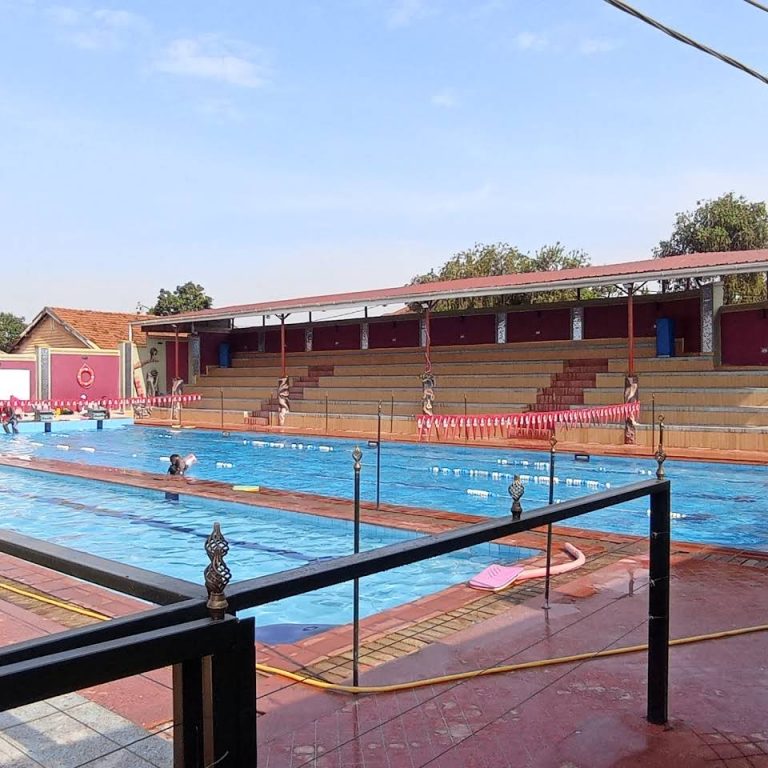
According to NTV Uganda’s report on the championships, Ssekito’s gold was part of a broader medal haul for the host nation, suggesting that Uganda’s swimmers showed up ready to compete across multiple events, not just the headline race.
Why This Win Matters Beyond the Medal
African aquatics has historically been dominated by North African nations, particularly South Africa and Egypt, whose infrastructure, funding, and talent pipelines have given them a persistent edge. For sub-Saharan countries, breaking into the medal conversations at continental events requires not just talent but sustained investment in coaching, facilities, and competition exposure. Uganda winning gold at this level is not a minor footnote. It is a data point in a larger narrative that the region’s swimming culture is developing real competitive depth.
Ssekito’s performance is particularly meaningful in the context of youth development. Competitive swimming in Uganda, like in many African nations, faces structural challenges. Access to quality pools, professional coaching, and year-round training programs is not universal. When an athlete breaks through under those conditions, it speaks to both individual dedication and the quiet progress of the sport at the grassroots level.
The Role of Hosting in Building a Sports Culture
There is a well-documented psychological and logistical advantage that comes with competing at home. Athletes sleep in their own time zone, eat familiar food, train in known waters, and perform in front of supporters who genuinely care about the outcome. For a nation still building its swimming identity, the decision to host the Zone Three Championships was a calculated one. Events like this generate media coverage, inspire younger athletes, and signal to regional bodies that Uganda is serious about aquatics as a national sport.
Kampala International School, as a venue, represents the kind of facility investment that makes such hosting possible. Schools with competition-grade pools serve dual purposes: they educate and they incubate athletes. When those athletes go on to win gold at regional championships, the return on that infrastructure investment becomes visible in real time.
Uganda’s Medal Haul and What Comes Next
Ssekito’s gold was part of a broader collection of medals for Uganda across the championships. That collective performance suggests a team with depth, not just a single headline act. Building on a home performance like this requires the federation to maintain momentum: keeping athletes in training, securing funding for travel to future competitions, and ensuring the pipeline of junior swimmers continues to receive attention.
The Africa Aquatics Zone Three Championships serve as a qualifying and ranking platform within the continental structure. Strong finishes here can open doors to higher-level competitions, including the All-Africa Games and international circuits. For athletes like Ssekito, the gold is a credential. For the sport in Uganda, it is a conversation starter with sponsors, schools, and government bodies who allocate resources based on results.
A Swimmer to Watch
Payton Ssekito now carries the weight of expectation that comes with winning at the top of a regional competition. That weight can either slow an athlete down or sharpen their focus. If the trajectory holds and the support structures around Ugandan swimming continue to improve, the gold at Kampala International School could well be the first major chapter in a career that extends well beyond national borders.
The Zone Three title is a beginning, not a ceiling. And in a sport where careers are built one race at a time, beginning with gold at home is about as good a foundation as any athlete could ask for.
Uganda’s aquatics story is being written in the water, one stroke at a time. Will the country’s sporting institutions invest the resources needed to ensure that Payton Ssekito’s gold is the start of a generation, not just a single shining moment?