




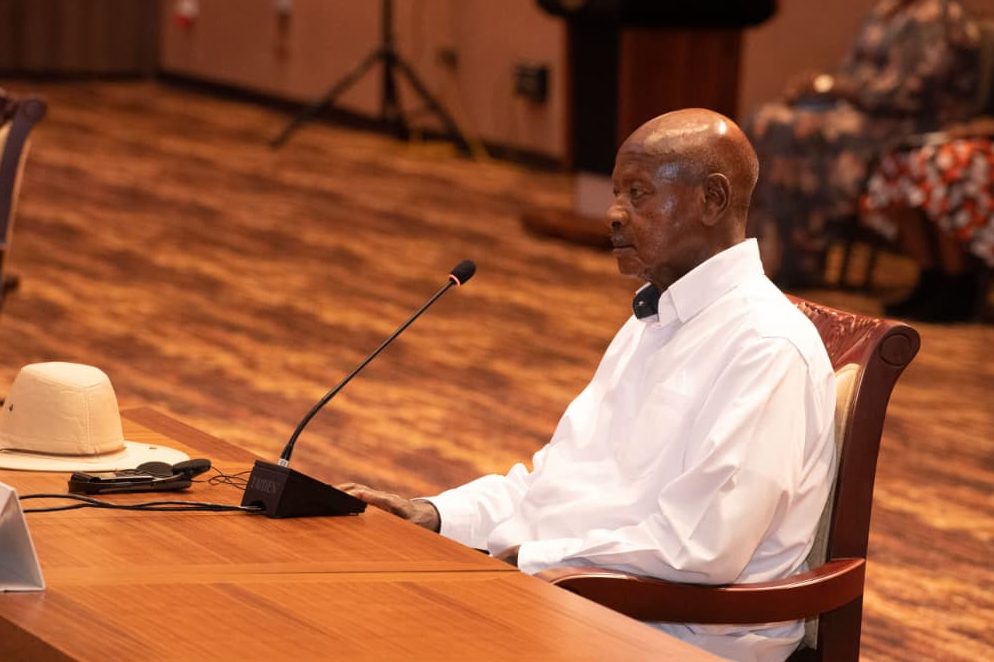






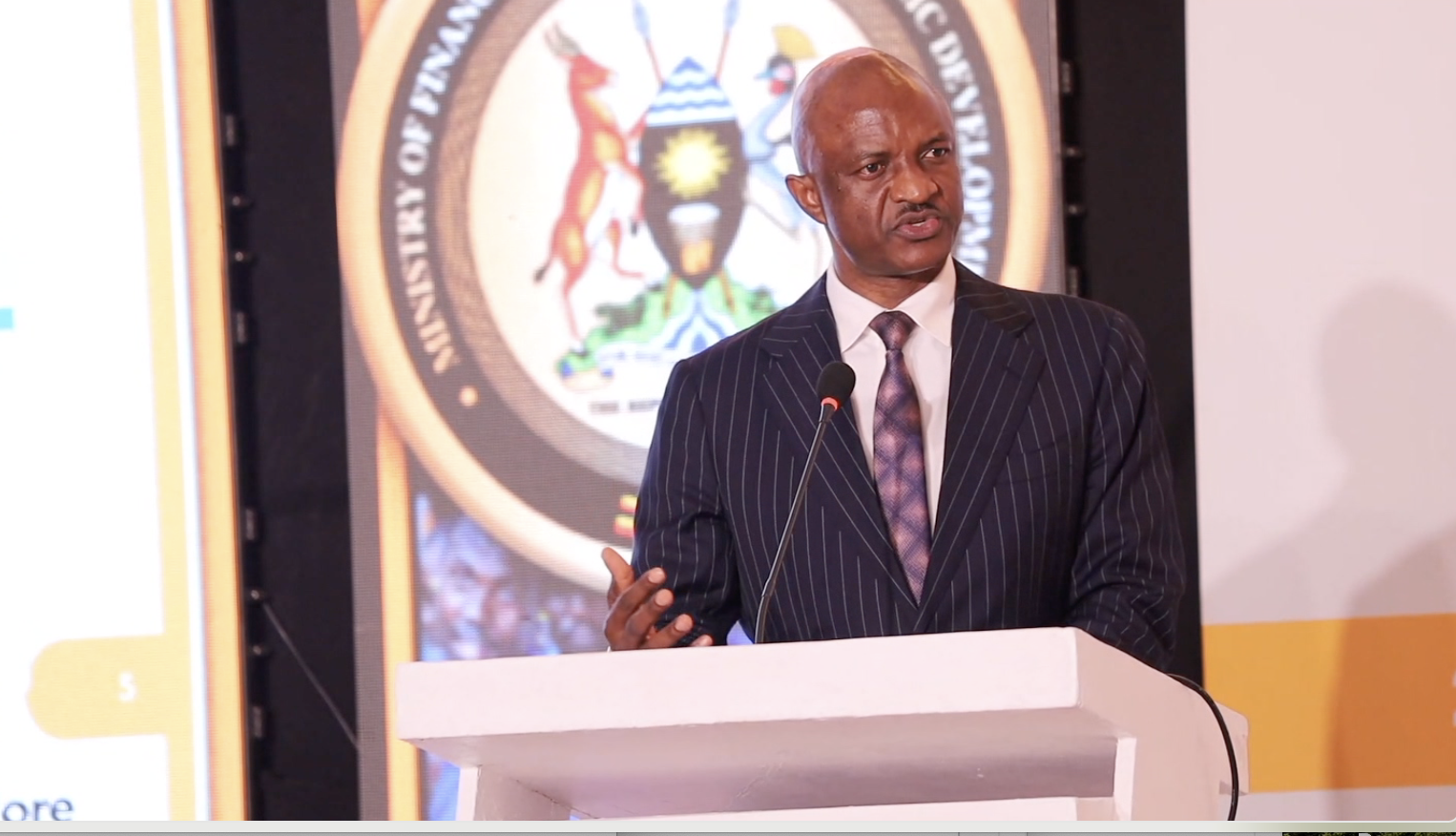
Kampala has no shortage of bold economic blueprints. What it has sometimes struggled to produce is bold economic results. That tension came to a head at Uganda’s 10th Economic Growth Forum, where the central question was no longer about diagnosis. Nearly everyone in the room already knows what ails the economy. The real pressure now is on delivery.
A Forum Born Out of Slowdown
To understand why this forum carries weight, you have to go back to where it started. When the Economic Growth Forum was first established, Uganda’s growth rate had slumped to a sobering 3.1 percent. That figure, by East African standards, was a red flag. The forum was created as a structured space to interrogate the causes, gather expert voices, and generate actionable recommendations that government could carry into policy and budget planning.
Nine editions later, the government says the process has worked. Officials point to a track record of forum insights feeding into national planning frameworks, shaping budget priorities, and informing policy decisions. That’s a meaningful claim, and it deserves credit where it’s due. But credit for process is different from credit for outcomes, and the distinction matters enormously.
The Gap Between the Room and Reality
Forums, by their nature, are optimistic places. Economists present data, policymakers nod, private sector voices flag bottlenecks, and everyone leaves with a shared sense of purpose. What happens after the room empties is where the real story unfolds. Uganda’s challenge, as flagged at this year’s edition, is that the gap between what gets said in those rooms and what gets implemented on the ground remains uncomfortably wide.
This is not a uniquely Ugandan problem. Across the African continent, governments have produced development strategies, vision documents, and sectoral masterplans that read brilliantly on paper and move sluggishly in practice. The obstacles are familiar: budget constraints, institutional capacity gaps, political economy pressures, and the inertia that tends to grip large public systems. But familiarity with the obstacles doesn’t make them acceptable, especially not a decade into a process specifically designed to remove them.
What the Government Says
The government’s position, as communicated at the forum, is that the evidence gathered across nine previous editions has genuinely shaped how Uganda plans and spends. That’s a claim that’s difficult to verify without granular data, but it suggests a growing institutional muscle around using forum outputs in formal planning cycles. If true, it’s a foundation worth building on. The question is whether building is actually happening at the speed the economy demands.
As NTV Uganda reports, the challenge now confronting officials is less about knowledge and more about execution. That framing is significant. It signals a shift in the forum’s maturity. Early editions were about understanding the problem. This one is about demanding accountability for the solution.
Growth Targets and the Pressure to Perform
Uganda has set itself ambitious long-term development targets under its national planning architecture. Hitting those targets requires sustained, high-quality growth, the kind that creates jobs, lifts household incomes, and builds the tax base that funds public services. A 3.1 percent growth rate, the figure that first triggered the forum’s creation, is nowhere near sufficient for that kind of transformation.
The country has seen stronger growth figures since then, with the economy recovering and expanding across several sectors including services, construction, and oil-related investment. But growth numbers at the headline level can obscure deep structural weaknesses: low agricultural productivity, a narrow export base, high informality, and persistent infrastructure deficits that raise the cost of doing business for everyone from smallholder farmers to urban manufacturers.
The Private Sector’s Role in Holding Government Accountable
One of the forum’s more useful functions is bringing the private sector into direct conversation with policymakers. Business leaders experience economic policy not as abstract statistics but as the cost of a business licence, the reliability of electricity supply, or the time it takes to clear goods through a port. Their voices carry a practical weight that can cut through the bureaucratic language that tends to cushion difficult truths in government settings.
At the 10th forum, that pressure from the private sector and civil society was visible. The message was consistent: the country has done the thinking. The research has been done. The recommendations exist. Now the ask is simple, act on them. Implement. Follow through. Show, not just tell.
Ten Years Is Long Enough to Expect More
A decade is a meaningful timeframe. It’s long enough to see a child born at the forum’s launch now sitting secondary school exams. It’s long enough for a startup founded the year the forum began to have grown into a serious business, or folded trying. It’s long enough, in other words, to reasonably expect that good ideas discussed annually should have moved meaningfully into Uganda’s economic fabric by now.
Whether they have depends on who you ask. Government officials point to policy shifts and budget realignments. Entrepreneurs point to regulatory burdens that haven’t shifted. Economists point to numbers that are improving but not fast enough. Each perspective captures something real, and that’s precisely why the forum’s role remains relevant even as it enters its second decade.
The most honest reading of where Uganda stands might be this: the country knows what it needs to do. The institutions exist to do it. The question that will define the next ten years of this forum’s life is whether political will, institutional capacity, and public accountability can finally move in the same direction at the same time. Because a forum that marks its 20th edition without a fundamentally stronger economy will have to answer some very hard questions about what all those conversations were actually worth.
So here’s the challenge worth sitting with: what would it take for Uganda’s next economic forum to be the one where the government doesn’t have to defend its record of implementation, because the results speak clearly enough on their own?