






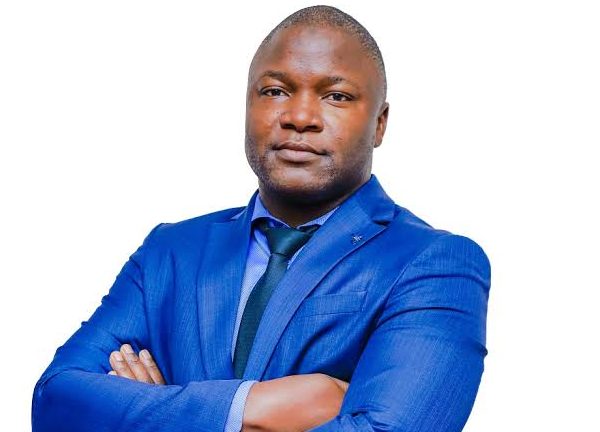
Uganda’s business registration landscape shifted dramatically this week after five senior officials at the Uganda Registration Services Bureau were sent home on mandatory leave, clearing the way for an official corruption investigation ordered by President Yoweri Museveni. As of August 17, Deputy Registrar General Mustapher Ntale is the man in charge, stepping into the acting role of Registrar General at one of the country’s most consequential public institutions.

How It All Started: A Presidential Directive and a July Audit Order
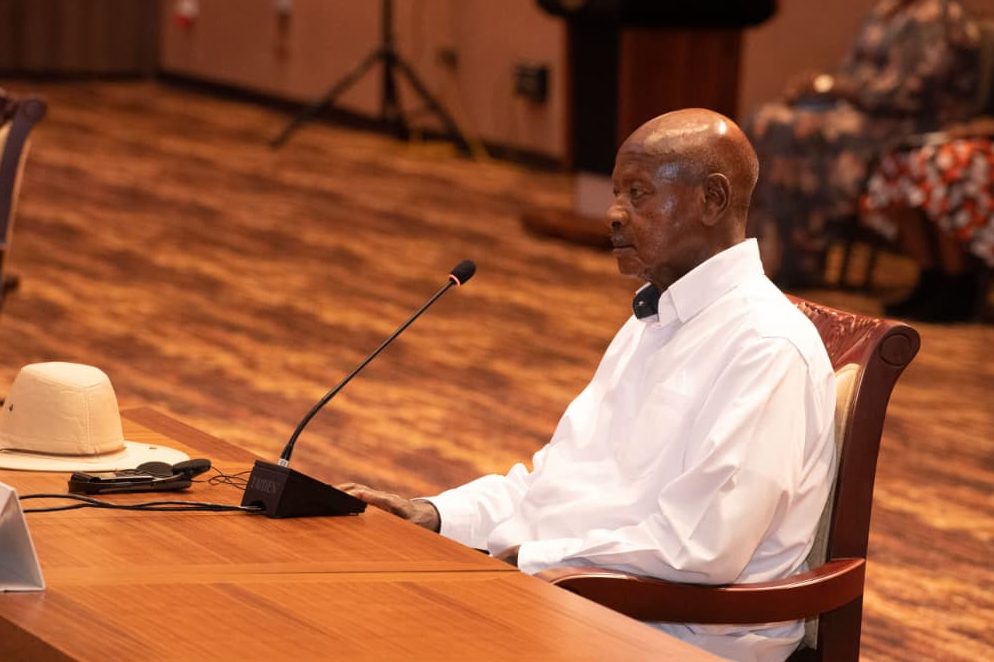
This did not happen overnight. On July 24, President Museveni issued a directive ordering a full audit into a laundry list of serious allegations at URSB, including embezzlement of government funds, abuse of office, maladministration, money laundering, and what officials describe as broader institutional mismanagement. It was the kind of sweeping directive that signals a government no longer willing to look the other way.
Museveni instructed the Inspector General of Government to lead the investigation, with additional support from State House auditors. That combination of oversight, the IGG and direct presidential scrutiny, is not a routine administrative review. It is a signal that those at the top of the bureau had a serious problem on their hands.
The Officials Sent on Mandatory Leave
Justice and Constitutional Affairs Minister Norbert Mao formalized the shake-up through an August 12 letter. Five officials were placed on mandatory leave effective August 17, with no specified end date. They are: Registrar General Mercy K. Kainobwisho; Deputy Registrar General Alex Anganya; Commissioner for ICT and Innovation Arthur Kwesiga; Commissioner for Registration Services Gilbert Agaba; and Assistant Commissioner for Registration Services Walid Kule.
These are not junior officers. They represent the operational spine of URSB, covering registries, ICT systems, and core registration services. Their collective removal means the bureau’s day-to-day management has effectively been handed to a fresh set of hands, at least until further notice.
Mao was direct in his communication to the affected officials. “Your going on mandatory leave is to ensure the integrity of the investigations and you will remain on leave until the investigations are complete,” he wrote. The intent was clear: keep potential interference away from the probe before it has a chance to take root.
Ntale Steps In: What the Interim Arrangement Looks Like
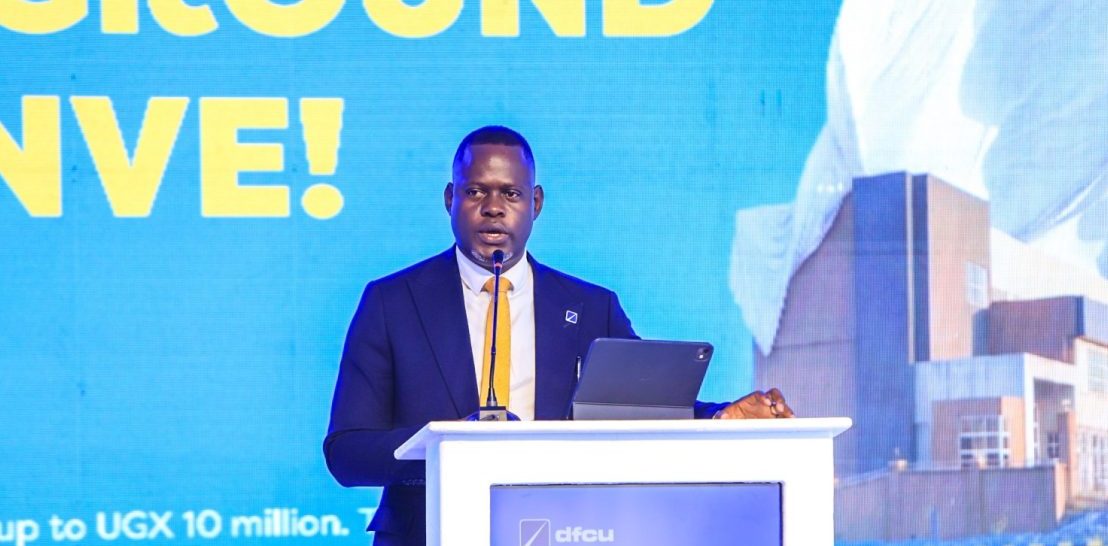
According to Mao’s letter, Ntale, who holds the substantive title of Deputy Registrar General in charge of Registries, will now perform all the functions of the Registrar General’s office. He has also been granted the authority to assign other officers to cover roles left vacant by those on leave. It is a broad mandate for an interim leader, and it suggests the government wants continuity rather than chaos while the investigators do their work.
As reported by Chimpreports, Ntale’s appointment was designed specifically to bridge the gap without disrupting the bureau’s core functions. URSB handles business registration, intellectual property, insolvency services, and civil registration across Uganda. Any prolonged dysfunction at the agency would ripple outward, affecting private sector actors, investors, and ordinary citizens filing official documents.
The IGG Raises the Stakes
If anyone thought the mandatory leave was the end of the story, August 18 changed that calculation entirely. Inspector General of Government Lady Justice Naluzze Aisha Batala moved to escalate the situation considerably, directing Minister Mao to formally interdict Kainobwisho. She also instructed the URSB Board chairperson to interdict Anganya, Kwesiga, and Kule pending the completion of investigations.
Interdiction is a more serious step than mandatory leave. It typically means the affected individuals are formally suspended from their duties and may face restrictions on accessing government premises or resources while a case is being built. The IGG’s intervention signals that preliminary findings, or at least preliminary indicators, may already be pointing in a specific direction.
Lady Justice Batala’s office has a constitutional mandate to investigate and expose corruption and abuse of authority in Uganda. Her direct involvement lends institutional weight to what began as a presidential audit order and transforms it into a formal accountability process with legal teeth.
Why URSB Matters and Why This Probe Is Bigger Than Internal Politics
URSB is not a peripheral government office. It is the gateway through which businesses are born in Uganda, where companies register, trademarks are protected, and legal entities gain official standing. Any suggestion that funds have been misappropriated or that the office has been mismanaged is not just a governance issue, it is a direct concern for Uganda’s business environment and investor confidence.
Uganda has been working to improve its standing in ease-of-doing-business rankings, and URSB sits right at the center of those reform efforts. Allegations of money laundering and institutional mismanagement at this particular bureau, if proven, would be a serious setback for the country’s credibility with international partners and private investors alike.
The broader context also matters. Anti-corruption enforcement across East Africa has been gaining momentum, and governments that are seen to act decisively when misconduct surfaces, rather than burying it, tend to earn credibility points from both domestic audiences and international observers. Whether Uganda’s handling of this case follows through to accountability or stalls at the investigation stage will be closely watched.
What Happens Next
With the IGG now formally in the picture and interdiction notices being issued, the next phase of this saga moves into investigative and potentially disciplinary territory. The officials involved have not yet been charged with any crime, and investigations can take time. But the machinery is clearly in motion.
For Ntale, the immediate task is keeping URSB operational and credible while the storm plays out around him. That is no small ask for someone stepping into a leadership vacuum under these particular circumstances.
Uganda’s public institutions have weathered turbulence before, and the country’s accountability architecture, when fully activated, has the capacity to produce real consequences. The question now is whether this investigation will become a case study in functional governance or another chapter in a longer story of probes that lose momentum before anyone is held to account.
What do you think? Should governments be more transparent about the specific findings that trigger investigations like this one, or does protecting the process require keeping early evidence under wraps? Drop your thoughts in the comments below.