



Uganda is grieving. On Thursday, Omukama Oyo Nyimba Kabamba Iguru Rukidi IV, the King of Tooro Kingdom, died in the United States at just 34 years old, after a period of hospitalisation linked to cancer. The news hit the country with the kind of weight that only the loss of a deeply symbolic figure can produce. And across the country’s traditional kingdoms, the tributes have been immediate, personal, and profound.
The Kyabazinga Speaks for Busoga
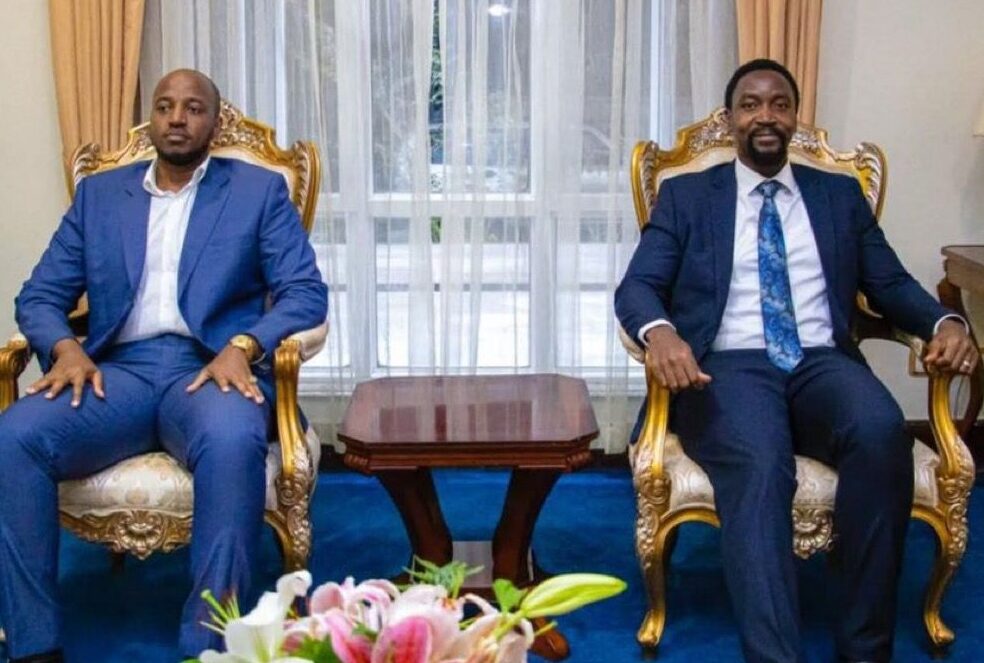
Among the first to publicly mourn was the Kyabazinga of Busoga, William Wilberforce Gabula Nadiope IV, who expressed the sorrow of his people in measured but emotionally resonant words. In a statement released on Friday, he said that the people of Busoga stood alongside the Royal Family and the entire Tooro Kingdom in their grief. According to Chimpreports, the Kyabazinga described the late king as one of the most visionary traditional leaders of the current era, a man whose humility and cultural commitment left a mark that reached far beyond the borders of western Uganda.
“His Majesty was one of the visionary traditional leaders of our time, whose leadership, humility and commitment to preserving culture while inspiring a new generation left a lasting mark on Tooro, Uganda and beyond,” the Kyabazinga said. Those are not the words of diplomatic courtesy. They read like a genuine reckoning with loss.
A Reign That Began Before He Could Read
To understand why this death cuts so deep, you need to go back to 1995. King Oyo was born on April 16, 1992, to Omukama Patrick David Matthew Kaboyo Olimi III and Queen Mother Best Kemigisa. He was barely three years old when his father died. On September 12, 1995, the toddler was placed on the throne of Tooro Kingdom, making him one of the youngest reigning monarchs in recorded modern history.
Think about what that means. While most three-year-olds are learning the names of colours and chasing chickens around a yard, Oyo was being prepared to be a king. Photographs from his coronation, which circulated widely over the years, became iconic: a tiny boy seated in ceremonial regalia, looking wide-eyed at a world that had just handed him an extraordinary responsibility.
He would go on to carry that responsibility for nearly 31 years.
More Than a Cultural Symbol
What made King Oyo’s reign notable was the way he navigated the tension that every traditional leader in modern Africa faces: how do you honour the old while speaking to the young? How do you protect a kingdom’s heritage without letting it calcify into irrelevance?
By all accounts, Oyo managed this with considerable skill. The Kyabazinga’s tribute specifically praised his ability to balance cultural preservation with the work of inspiring younger generations, and that combination is rarer than it sounds. Many traditional institutions in Africa have struggled to remain relevant to youth who are increasingly shaped by global culture and digital connectivity. Oyo, who grew up in the public eye and came of age in the internet era, apparently found a way to bridge that gap.
His reach, the Kyabazinga noted, extended beyond Tooro and beyond Uganda itself. For a traditional ruler whose formal authority is largely ceremonial under Uganda’s constitutional framework, that kind of soft influence is a significant achievement.
A Kingdom Without Its Guide
The Kyabazinga was direct about what Tooro has lost. “During this hour of profound grief, our thoughts and prayers are with the Royal Family and the entire people of Tooro Kingdom, who have lost a beloved King and a guiding force,” he said. The phrase “guiding force” is worth sitting with. It suggests something more than a figurehead. It suggests a man whose presence actively shaped how people understood themselves and their community.
For Uganda as a whole, the Kyabazinga framed the loss in terms of voice. “In Omukama Oyo, Uganda has lost an important voice and a distinguished cultural leader whose legacy will endure for generations.” In a country where traditional kingdoms serve as custodians of ethnic identity, language, and history, losing a prominent royal voice has consequences that go beyond symbolism. It creates a gap in the cultural conversation that will take time, and careful succession, to fill.
34 Years Was Not Enough
King Oyo died at an age when most people are still figuring out their careers, their relationships, their place in the world. He had already spent most of his life as a king. Born in 1992, he ascended in 1995, and he carried the weight of a kingdom through childhood, adolescence, and early adulthood. The fact that he did so with the kind of grace that earned tributes from fellow monarchs is, by any measure, extraordinary.
His death in the United States, where he had been receiving medical care, adds another layer of quiet sadness to the story. A king who gave so much of himself to his people spent his final days far from the land he represented.
Uganda’s traditional kingdoms will continue. Tooro will find a path forward, as institutions built over centuries always do. But the particular human being who wore that crown, the boy who became a king and the man who made that kingship mean something, is gone.
As Uganda processes this loss and Tooro begins the solemn work of mourning and succession, one question lingers: what does it take to build the kind of legacy that makes an entire nation stop and grieve, and are the institutions that produce leaders like King Oyo doing enough to nurture the next generation of voices that Uganda will one day need just as desperately?