



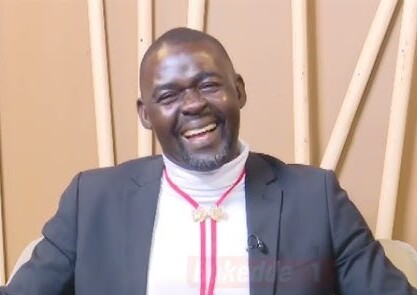
Uganda’s entertainment scene has no shortage of talent. What it does have a shortage of, according to veteran events emcee Joseph Ssendagire, popularly known as Mzee Bakiddaawo, is creatives who know how to grow that talent into something lasting. This August, Bakiddaawo went public with career advice that many in the industry need to hear but few dare to say out loud: stop letting the public box you into a single dimension.
The Danger of Being a One-Hit Wonder

There is a seductive comfort in mastery. When you are the best comedian in the room, or the musician everyone wants at their event, the temptation is to stay exactly where you are. Bakiddaawo, who has built a long career navigating Uganda’s demanding live events circuit, knows this trap well. His position is clear: a creative who allows themselves to be defined by one skill alone is quietly setting a ceiling on their own potential.
The logic is straightforward. Industries shift. Audiences evolve. What is in demand today may be a niche interest five years from now. A performer who has only sharpened one edge will find themselves scrambling when the market moves, while a versatile creative will simply pivot and keep working.
As Bakiddaawo put it in his own words, the advice he gives every creative starting out is simple: do not let the public consider you in one dimension. It is a short sentence, but the weight behind it is substantial.
Why Versatility Is the Real Career Strategy
This is not just motivational talk. The entertainers who have built enduring careers across Africa share a common thread: they refused to be limited by their original lane. Musicians became actors. Comedians became producers. Emcees became brand ambassadors, media personalities, and entrepreneurs. The pattern is consistent enough to be a blueprint.
For Ugandan creatives specifically, the entertainment industry presents both incredible opportunity and genuine uncertainty. Bookings can dry up. Trends change fast. A comedian who also understands event hosting, or a musician who can write and produce, carries far more value to any promoter, label, or brand than someone who only does one thing well. That additional value is not just good for business, it is a form of professional self-preservation.
Skills Are Not a Distraction, They Are an Asset
One of the quiet myths in the creative world is that focusing on multiple skills means you are not serious about any of them. Bakiddaawo pushes back against that idea. Developing new abilities does not dilute what you already do. If anything, it strengthens your overall creative identity by giving you more tools to express it.
A comedian who learns to host corporate events does not become less funny. A singer who picks up acting does not suddenly forget how to carry a melody. What they gain is range, and range is what separates a career from a moment in the spotlight.
What the Industry Actually Rewards
Adaptability is not a soft skill in entertainment. It is arguably the hardest skill of all, because it requires a creative to continually challenge their own comfort zone. Bakiddaawo’s advice points to something the most successful figures in Uganda’s creative space already understand: the industry rewards those who show up ready to do more than what they were hired for.
This is especially true for younger creatives who are still building their reputations. The early years of any entertainment career are the best time to experiment, to fail in small ways, and to discover what else you are capable of. Waiting until you are established before exploring new skills is waiting too long.
A Conversation the Industry Needs to Keep Having
Bakiddaawo is not the first industry figure to raise this point, and the fact that it keeps coming up suggests it has not yet fully landed. Uganda’s entertainment community is fiercely talented, but talent alone has never been a guarantee of longevity. The creatives who are still relevant a decade into their careers are the ones who kept learning, kept adding, and refused to let a single label define the full scope of who they are.
Whether you are just stepping onto a stage for the first time or you are a seasoned performer wondering what comes next, the advice is the same: look beyond what you already do well, and start building what will carry you further.
So here is the question worth sitting with: if everything you are known for today suddenly stopped working tomorrow, what else would you have to offer?