








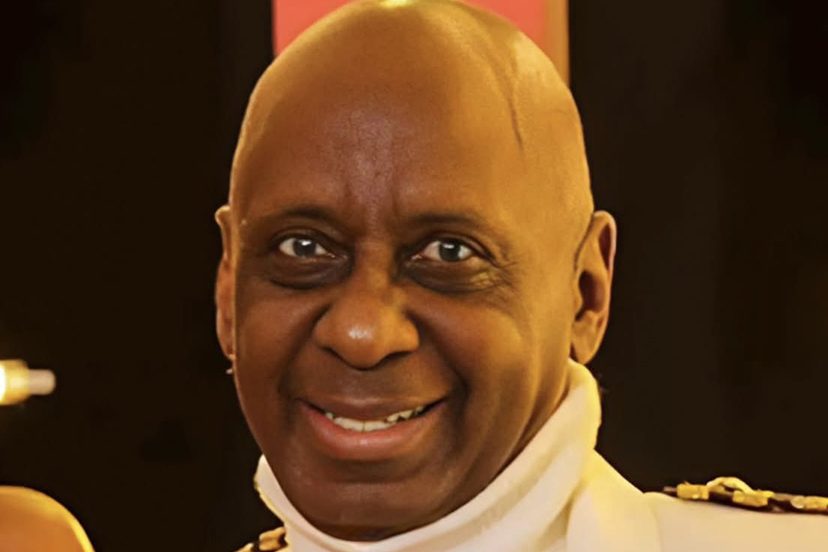
Uganda woke up on August 15, 2026, to news that hit the entertainment world like a cold wave. Alex Mukulu, the veteran actor and playwright widely regarded as one of the most consequential figures in Ugandan theatre, died this afternoon at the age of 72. The circumstances surrounding his death remain unclear, with no official cause disclosed as of press time, and his family is yet to release a formal statement on funeral arrangements.
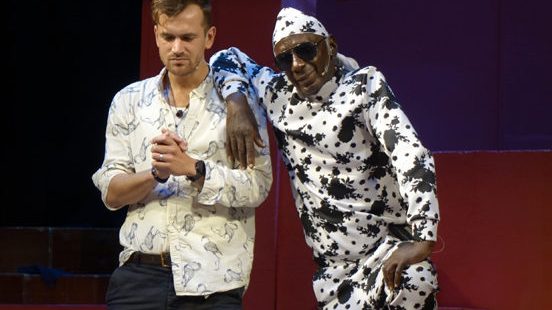
Word spread fast. Within hours, social media platforms were flooded with tributes, prayers, and expressions of disbelief from fans, fellow artists, journalists, and public figures who grew up watching Mukulu hold entire audiences hostage with nothing more than a stage, a script, and an unshakeable conviction that stories matter. Reports of his passing describe the mood across Uganda’s entertainment fraternity as one of profound shock.
A Career Built on Truth and Craft
For anyone who has spent time around Ugandan theatre, the name Alex Mukulu needs no introduction. He was not merely a performer or a writer. He was a builder of an entire artistic tradition, the kind of figure who understood that the stage could do things that newspapers, radio, and later television could not. He used drama not as escapism but as a mirror, holding it up to Ugandan society with precision and, often, a sharp edge of wit.
Mukulu’s body of work spanned decades, and his influence stretched well beyond the walls of any single theatre house. He helped lay the groundwork for generations of Ugandan artists who came after him, many of whom cite him as the reason they took storytelling seriously in the first place. His plays were not just entertainment in the conventional sense. They were conversations with his country, filled with political undertones, social commentary, and a deep love for the people he wrote about.
A Community in Mourning
The reaction from Uganda’s creative community has been immediate and heartfelt. Actors, directors, writers, and producers took to platforms like X, Facebook, and Instagram to share their grief. Many posted old photographs, quotes from his work, or simply wrote that they had no words. That kind of response, raw and unscripted, speaks more clearly than any formal tribute could about the size of the man’s footprint.
Friends and colleagues described him as generous with his knowledge, difficult in the best possible way, and completely unwilling to compromise on quality. He pushed people around him to be better, sometimes uncomfortably so, but always because he believed in what theatre could achieve when it was done with genuine intention.
What His Legacy Means for Ugandan Art
The loss of a figure like Mukulu raises questions that the industry will need to sit with for some time. Uganda has produced remarkable creative talent over the years, but the elders who carried the weight of the tradition, who understood both the roots and the possibilities of the form, are a rarer and more fragile group. Mukulu was one of the last of a particular generation that built the infrastructure of Ugandan theatre almost from scratch, often without institutional support, and certainly without the digital tools that younger artists now take for granted.
His passing is a reminder that cultural memory is fragile. The plays he wrote, the techniques he refined, the students he mentored, these things survive him. But the irreplaceable quality of his specific presence, his ability to read a room, to understand what an audience needed before they knew it themselves, that leaves with him.
Family Yet to Speak
As of this writing, Mukulu’s family has not issued a public statement regarding his death or burial plans. Details remain limited, which has only deepened the sense of uncertainty hanging over the community. Those close to him are asking for space and privacy as they process an enormous personal loss, and the public has largely respected that, channeling grief instead into remembrance and celebration of a life well lived.
Uganda’s Ministry of Gender, Labour and Social Development, which has historically engaged with the arts community, had not issued a formal response at the time of publication. It is expected that official statements will follow in the coming hours and days.
72 Years That Changed a Country’s Culture
Seventy-two years is a full life by any measure, but for those who loved Alex Mukulu’s work, it will feel too short. There were surely more stories left in him, more productions that would have surprised people, more young artists he might have pushed toward their best selves. That is the particular cruelty of losing a creative mind: the work that never got made becomes its own kind of grief.
What remains is substantial. A legacy carved in performance, in script, in the memories of everyone who sat in the dark and watched him or his words come alive on stage. That is not nothing. In fact, for a country still building its cultural identity, it is everything.
As tributes continue to pour in and a nation processes this loss, one question lingers: who will take up the responsibility of preserving and building on what Mukulu gave Uganda’s theatre, and are we doing enough to support the living artists who carry that tradition forward right now?