









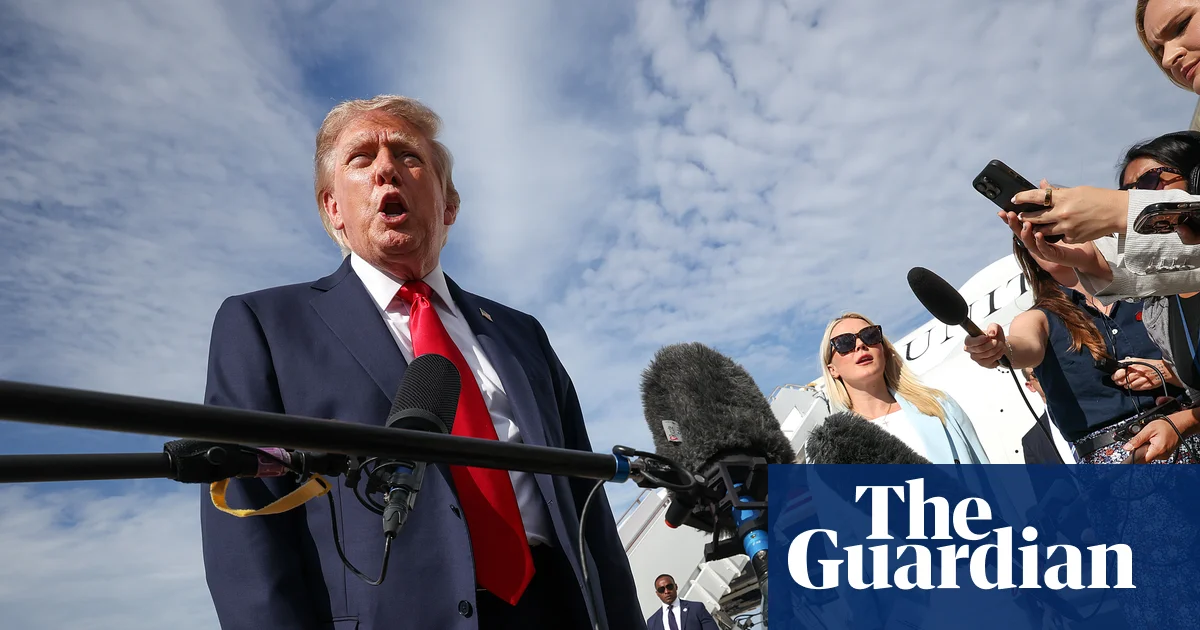
President Donald Trump turned up the heat on Monday, August 31, 2026, lashing out at American communities pushing back against datacenter development, warning that towns and cities refusing these projects would have only themselves to blame for falling behind economically. The remarks came as grassroots opposition to datacenter construction has grown loud enough to spill into election season, with the controversy now circling midterm campaigns ahead of November’s vote.
A Battle Between Progress and Neighborhood Concerns
Datacenters, the vast warehouse-like facilities that power everything from artificial intelligence to cloud storage, have become one of the most contentious infrastructure questions in modern American life. These buildings demand enormous tracts of land, consume staggering amounts of electricity and water, and tend to generate noise and industrial traffic that neighbors find deeply disruptive. So it is perhaps little surprise that a recent poll found three-quarters of Americans oppose having datacenters built next to their homes.
That is a significant number. Three out of four people. It cuts across party lines, income brackets, and geography. Rural landowners worry about water usage and power grid strain. Suburban homeowners cite noise and property value concerns. Even some local politicians who might otherwise embrace economic development have found themselves squeezed between the promise of jobs and the fury of constituents who do not want a hulking data warehouse visible from their kitchen window.
What Trump Actually Said
Trump’s position is unambiguous. He framed opposition to datacenters as short-sighted and economically reckless, telling Americans who reject these projects that they “will only have yourselves to blame” if the plans collapse. His warning that communities risk becoming “backwards and poor” is classic Trump: blunt, provocative, and designed to reframe the argument from environmental nuisance to economic survival.
It is a political calculation worth examining. Tech companies investing in datacenter infrastructure bring construction jobs, property tax revenue, and, in the White House’s preferred narrative, a claim to leadership in the global race for artificial intelligence dominance. From that vantage point, community resistance looks less like civic engagement and more like an obstacle to national competitiveness.
But the poll numbers suggest that many Americans are not persuaded by this framing. And that disconnect between presidential messaging and public sentiment is precisely what is making this issue a live wire heading into November’s midterms.
The Midterm Dimension
Local datacenter disputes have a habit of becoming intensely personal very quickly. When a company proposes building one of these facilities near a neighborhood, the political fallout can be immediate and fierce. Candidates are now having to pick sides, and there is no comfortable middle ground. Backing the datacenter risks alienating residents who feel unheard. Opposing it risks being painted as an enemy of economic growth and technological progress.
The controversy is landing differently depending on the region. In some areas, the promise of hundreds of construction jobs and long-term operational employment carries real weight, particularly in communities that have watched manufacturing and industry drain away over decades. In others, the sheer scale of what these facilities require, including land, power, and water, feels like too high a price for residents already stretched thin by rising costs of living.
Why This Debate Isn’t Going Away
The demand for datacenter capacity is not slowing down. The explosion of AI applications, cloud computing services, and digital infrastructure means that technology companies are under intense pressure to build more, faster. The US government has positioned domestic datacenter growth as a matter of national security, keeping critical data and processing power within American borders rather than ceding ground to foreign competitors.
That strategic argument gives Trump and his allies a powerful rhetorical tool. Framing datacenter opponents as standing in the way of American strength and prosperity is a message that plays well in certain political circles, even if it glosses over the very legitimate concerns residents have about the communities where they actually live.
Still, public opinion is a stubborn thing. Polling at 75% opposition is not a fringe position. It suggests that however the economic argument is packaged, a majority of Americans have personal reservations that a presidential speech is unlikely to dissolve overnight.
The Bigger Picture
This is ultimately a debate about who gets to decide what development looks like in American communities. Tech companies argue that their infrastructure serves a national interest. Residents argue that they should have meaningful input into what gets built next door. The federal government is now entering that conversation forcefully, with the president framing local resistance as a threat to national prosperity.
Where that argument lands, legally, politically, and socially, will shape not just the datacenter industry but the broader question of how America builds the infrastructure of its digital future. The midterms will offer at least a partial answer to which side of this debate has the stronger political coalition behind it.
So here is the question worth sitting with: when the national interest and neighborhood interests collide, who should get the final say, and what happens to democracy at the local level when the answer is handed down from Washington?