










A 25-year-old Polish man opened fire with an automatic weapon in Kraków’s historic main market square on Saturday afternoon, killing six people and wounding at least 16 others in what Polish authorities have described as a deliberate act of terror. The attack, which unfolded at approximately 3pm local time on November 7, 2026, has sent shockwaves through Poland and across Europe, forcing an uncomfortable national conversation about the deadly consequences of unchecked extremist ideology.
What Happened in the Square
Kraków’s main market square, one of the largest medieval squares in Europe and a magnet for tourists and locals alike on any given weekend, was busy with its usual Saturday afternoon crowd when the suspect opened fire. The choice of location was not incidental. A packed public space, beloved and familiar, targeted at a time when it would be full of life. That calculation alone tells a grim story about intent.
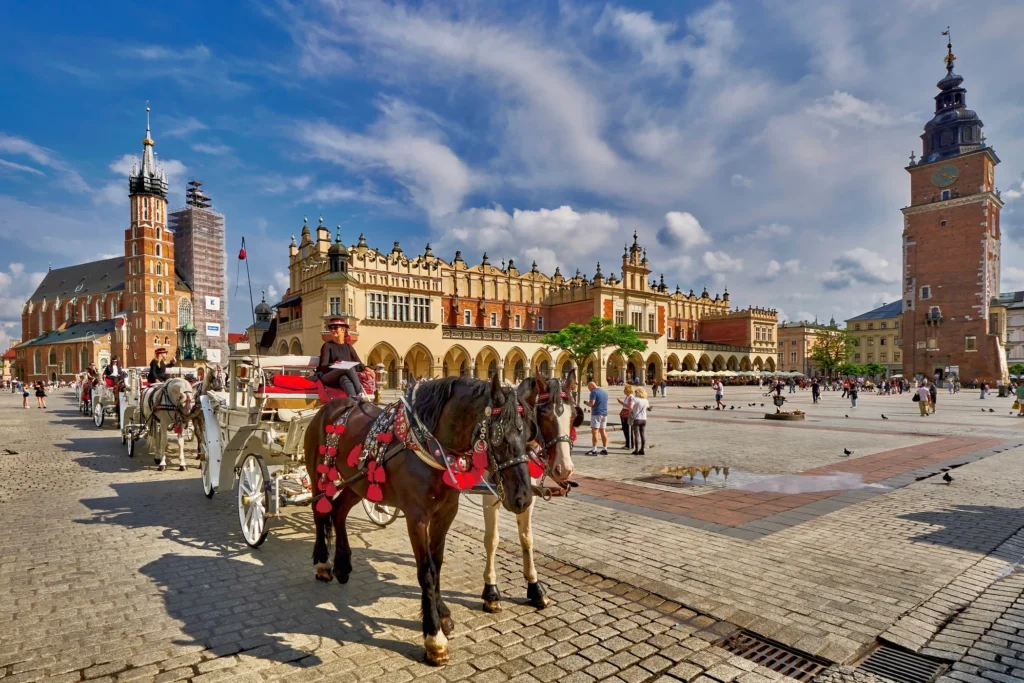
Polish emergency services responded quickly, but the damage was already catastrophic. As first responders worked the scene, investigators made an additional and deeply disturbing discovery: three more victims were found dead at the suspect’s home. The full scope of the violence, in other words, had begun before the first shot was fired in the square.
Sixteen people were transported to hospital with wounds of varying severity, adding to the weight of a tragedy that Poland had not seen at this scale in recent memory. The Guardian’s live coverage of the Kraków attack tracked developments throughout the day as authorities pieced together what had happened and why.
Far-Right Ideology at the Centre of the Investigation
Polish authorities moved quickly to characterise not just the act but the motivation behind it. Poland’s interior minister stated publicly that the suspect held ultra-nationalistic views and had been influenced by far-right ideology. That framing matters enormously. It shifts the conversation from isolated tragedy to systemic failure, and it places this attack within a broader pattern of politically motivated violence that has been spreading across Western democracies for years.
Poland’s defence minister went further, calling the attack an act of terror against the people of Kraków. That language carries legal and political weight. It signals that the state intends to treat this not as the random act of a troubled individual but as ideologically driven violence deserving of the most serious classification.
A Pattern Familiar Across Europe
What happened in Kraków did not emerge from a vacuum. Across Europe, security agencies have been sounding alarms about the radicalisation of young men through far-right networks, online forums, and extremist content that glorifies ethnic nationalism and violence. The suspect’s age, 25, places him squarely within the demographic most vulnerable to this kind of online radicalisation pipeline.
Germany, France, and Norway have all grappled with attacks rooted in similar ideological soil. Poland, which has in recent years seen its own political landscape pulled in sharply nationalist directions, now finds itself confronting the violent fringe of that same current. The question being asked in Warsaw and in Kraków tonight is whether warning signs were missed and, if so, by whom.
A City Known for Its Beauty, Now Scarred
Kraków holds a particular symbolic weight in Polish identity. It served as the royal capital of Poland for centuries, survived World War II with its architecture largely intact while Warsaw burned, and has since grown into one of Central Europe’s most visited cities. Its market square is the beating heart of that identity, a place where history and daily life intersect with rare ease.
To see that square turned into a crime scene is not just a physical violation. It is a cultural wound. Vigils were being organised in the city by Saturday evening, with residents placing flowers near the site of the attack. Grief and anger ran side by side.
Security Questions Will Follow
No major public space attack occurs without provoking hard questions about security infrastructure, intelligence gaps, and the monitoring of radicalised individuals. Polish authorities will face scrutiny over whether the suspect was known to any security services before the attack, whether his activity online or in extremist communities had raised any flags, and whether the three deaths at his home could have been prevented.
These are not comfortable questions for any government to answer, and they rarely come with clean answers. Radicalisation often happens in spaces that law enforcement finds difficult to monitor, and the line between legal expression of extreme views and actionable threat is one that democracies constantly struggle to draw.
Poland at a Crossroads
Saturday’s attack arrives at a moment when Poland is navigating significant internal debates about national identity, immigration, and the country’s place in a shifting European order. Far-right movements have used those debates as recruitment ground, framing ordinary political anxieties in the language of existential cultural threat. When that rhetoric is absorbed by unstable individuals with access to weapons, the results can be catastrophic.
What Polish society does in the weeks and months ahead will say a great deal about where the country stands. Will the political establishment use this moment to draw clear lines against ultra-nationalist extremism? Or will the conversation fracture along partisan lines, with each side using the tragedy to reinforce pre-existing positions?
Six people went to Kraków’s market square on a Saturday afternoon and did not come home. Sixteen more are in hospital. Three more were killed before the suspect ever stepped foot in that square. The scale of that loss demands more than condolences. It demands clarity, accountability, and the kind of honest reckoning with extremism that is uncomfortable but absolutely necessary.
As Poland begins the long process of mourning and investigation, one question lingers over everything: how many warning signs does a society need to see before it decides to take the threat of far-right radicalisation as seriously as any other form of terrorism?