


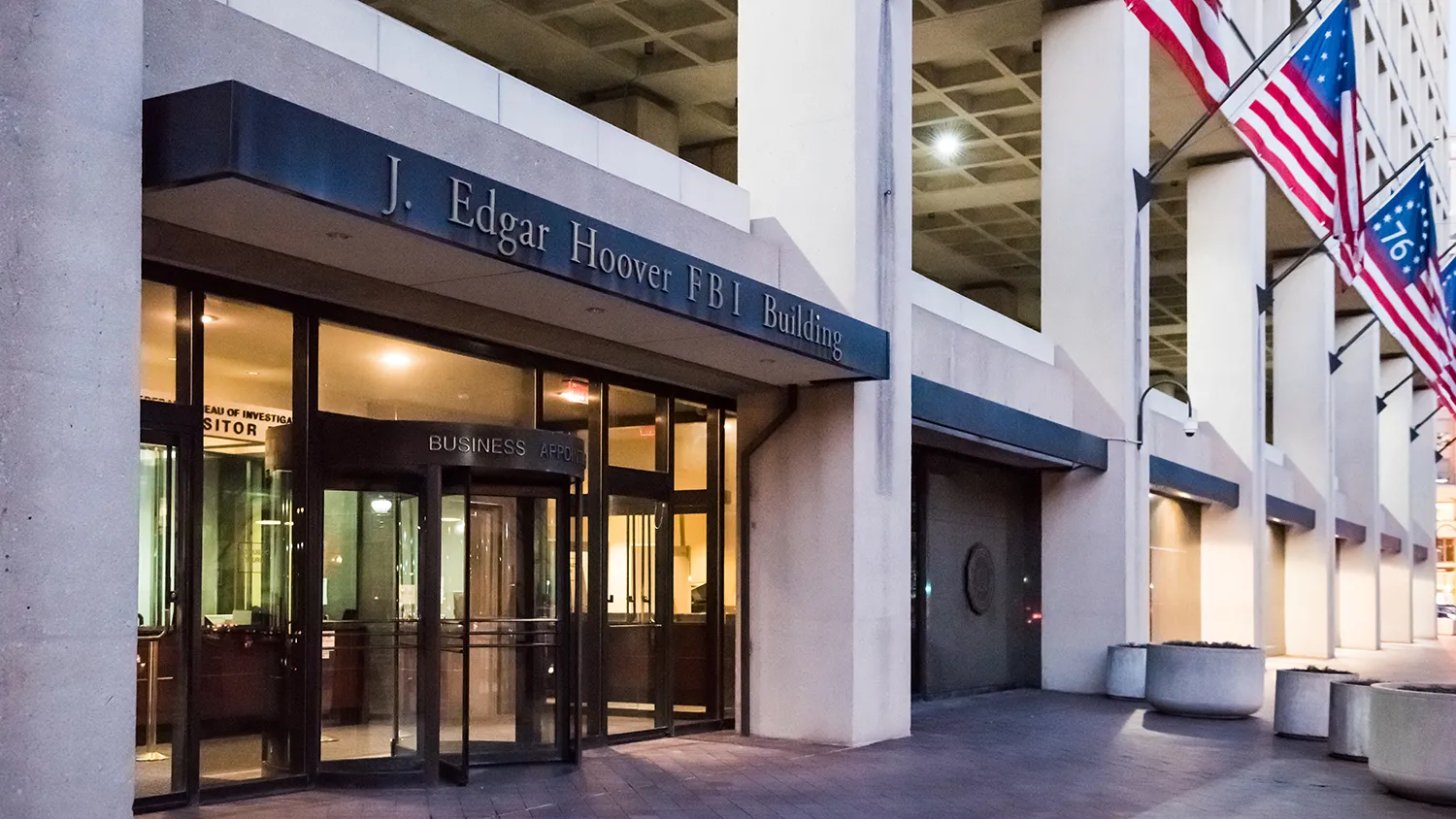
The Federal Bureau of Investigation is formally probing one of the most alarming cybersecurity claims in recent American history. A group of hackers known as ShinyHunters says it has successfully stolen sensitive personal data belonging to roughly 38,000 FBI employees, including agents’ names, roles, badge numbers, home addresses, phone numbers, and even information about their spouses. If verified, the breach would expose the identities of virtually the entire bureau workforce, creating security risks that stretch far beyond any ordinary corporate data leak.
What ShinyHunters Claims to Have Done
According to the hackers, they accessed the FBI’s systems on a Monday night and almost immediately began reaching out to journalists, sharing screenshots and data samples to back their claims. The group says it identified a vulnerability in the Oracle cloud storage infrastructure the FBI relies on, allowing them to push through into multiple internal systems simultaneously.
The list of systems they claim to have accessed reads like a master key to bureau operations. FBI JOBS, the recruitment and personnel database, was reportedly hit. So was FBI BEAST, a system used for conducting background checks on both employees and job applicants. FBI MedLink, which stores agents’ medical records, is also among those the group says it breached. Perhaps most striking is the claim they accessed FBI BICS, a system that holds active investigation data. That last one, if confirmed, would elevate this from a personnel disaster into something closer to a national security emergency.
The group posted its claims on the dark web and, in an unusual statement for a criminal hacking collective, said money was not the motivation. That claim, while impossible to fully verify, is in line with ShinyHunters’ past behaviour, which tends to prioritise notoriety and disruption over immediate financial extraction.
The FBI’s Response and What Experts Are Saying
The bureau did not stay quiet. In a statement posted on X, the FBI confirmed it was aware of the allegations and said the agency was “actively and aggressively investigating the matter.” That phrasing, direct and unequivocal, signals that officials are taking the claim seriously rather than dismissing it as a hoax.
Independent cybersecurity voices are equally alarmed. Professor Ciaran Martin, who previously led the UK’s National Cyber Security Centre, offered a stark assessment. He told the BBC that if the breach is confirmed, it would be “as serious as it gets when it comes to data breaches.” That framing carries weight. Martin spent years overseeing some of the UK’s most sensitive cybersecurity decisions and has seen plenty of serious incidents. Calling this the worst possible category of breach is not a small statement.
Reuters also reported that some of the compromised data contains details about specific job assignments, including work related to Chinese espionage, Russian intelligence operations, and drug cartel investigations. That layer of operational context transforms this from an administrative nightmare into a live threat to ongoing national security work.
Who Are ShinyHunters?
ShinyHunters is not a new name in cybersecurity circles. The group, believed to have originated in France, operates as an international collective and has built a track record of high-profile attacks. In April, they carried out a breach of Rockstar Games. In May, they disrupted Canvas, a widely used education platform, in an attack that caused significant disruption to academic institutions across multiple countries.
The group has shown an appetite for both scale and spectacle. Their targets tend to be large, recognisable organisations where the breach itself generates headlines. That pattern fits neatly with the FBI claim, which is arguably the most attention-grabbing target the group has ever named.
Why This Breach Hits Differently
Most data breaches, as damaging as they are, involve customer records or financial credentials. What makes the alleged FBI hack a different kind of threat is the human element. FBI agents operate in environments where their physical safety depends on anonymity. Undercover operatives, informant handlers, and agents working on cartel or counterintelligence assignments often rely on the fact that hostile actors do not know who they are or where they live.
If the home addresses and personal details of those agents are now circulating on the dark web, the implications go beyond embarrassment or administrative chaos. They create a direct, real-world danger for individuals and potentially for their families. Spouses’ details being included makes the risk even more personal.
There is also the counterintelligence dimension. Knowing which agents are assigned to operations targeting specific foreign intelligence services gives adversaries a roadmap they would normally spend years trying to piece together through careful surveillance and recruitment efforts.
What Happens Next
The FBI’s investigation is the obvious immediate step, but the bureau will also need to consider a sweeping review of how Oracle cloud systems are secured across its infrastructure. The claim that a single vulnerability allowed access to multiple distinct internal systems suggests a broader architectural problem that patching one entry point will not solve.
For the agents themselves, the coming weeks will likely involve urgent security briefings, potential relocation assessments for those in the most sensitive roles, and a wave of bureaucratic uncertainty about what exactly was taken and who now has access to it.
At the broader policy level, this breach will almost certainly reignite congressional debate about how federal law enforcement agencies manage their digital infrastructure. Questions about whether the FBI should be relying on third-party cloud storage for systems containing this calibre of sensitive data will be asked loudly and, for once, with genuine urgency behind them.
If one criminal collective can claim to have mapped the entire human geography of America’s premier law enforcement agency in a single overnight attack, the question that every policymaker, security professional, and ordinary citizen should be sitting with is this: what else are they holding that we don’t know about yet?