


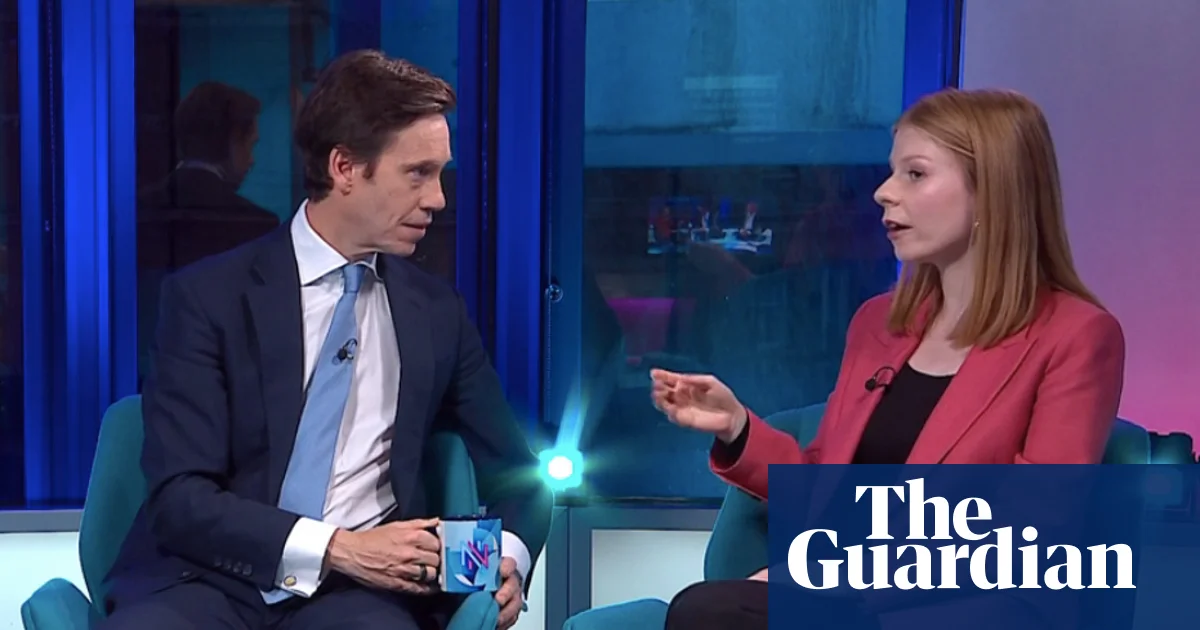
It takes most public figures a carefully crafted speech, a scandal, or at least a memorable soundbite to go viral. Rory Stewart managed it with his eyes. On September 18, 2026, the former Conservative MP and perennial renaissance man appeared on BBC Newsnight, where he fixed a fellow panellist with a stare so unblinking, so forensically intense, that four seconds of television footage has since ricocheted across social media with the velocity of something genuinely newsworthy.
The clip, which The Guardian described as “magnificently strange”, took several days to fully ignite online. But once it did, the reaction was swift, widespread, and largely delighted. The internet, it turns out, had been waiting for exactly this kind of moment without knowing it.
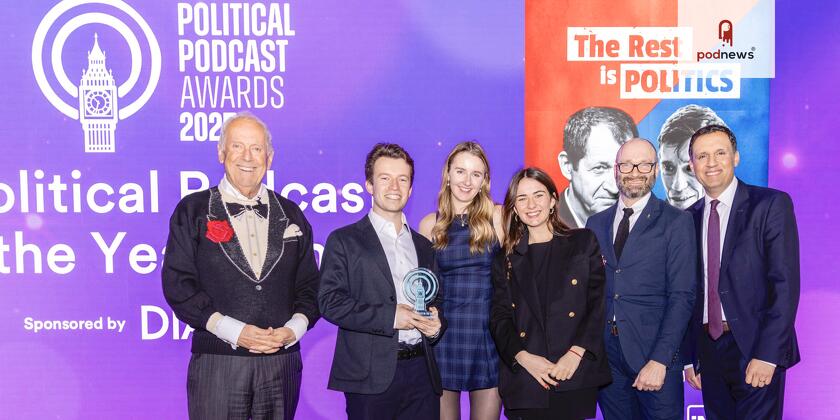
The Man Behind the Stare
To understand why the clip landed the way it did, you need some appreciation of who Rory Stewart actually is. His biography reads less like a CV and more like a shortlist of plot devices from a spy novel. He has led an Afghan NGO, served as deputy governor of an Iraqi province during one of the most turbulent periods in that country’s modern history, and ran as a candidate in the Conservative Party leadership contest. He later became a Harvard professor and, somewhere in the transition from politician to public intellectual, co-launched one of the UK’s most listened-to political podcasts, The Rest Is Politics, alongside former Labour spin doctor Alastair Campbell.
That last chapter is perhaps the most culturally significant. The Rest Is Politics built its audience on the appeal of two men from opposite ends of the political spectrum finding common ground, or at least agreeing to talk civilly about their disagreements. The show humanised both of them. It made Stewart, in particular, feel less like a politician and more like a very well-read friend who happens to have opinions about geopolitics over dinner.
So when he turns up on Newsnight and produces a stare that could freeze a boiler room, people notice. It cuts against the image. And that friction is exactly what the internet feeds on.
Why This Moment Hit Different
There is something almost performance-art-like about a truly effective TV stare. It requires total stillness in a medium that rewards motion, noise, and interruption. Panel discussions on political programmes are typically exercises in controlled chaos, with guests talking over each other and hosts trying to referee. A prolonged, silent, unbroken gaze is therefore an act of almost theatrical disruption.
Four seconds does not sound like much. Count it out. One. Two. Three. Four. In a live broadcast environment, with cameras rolling and a host watching, that is an eternity. It is long enough to communicate entire paragraphs of subtext without a single syllable.
Whether Stewart intended the moment to read as incredulity, amusement, barely-contained disagreement, or something altogether more cryptic is almost beside the point. The beauty of the clip is precisely its ambiguity. Viewers projected their own interpretations onto it, and that open-endedness is the engine of every great viral moment.
The Social Media Lifecycle of a Look
What is particularly interesting about this story is the delayed ignition. The Newsnight appearance aired on September 18, but the clip did not fully catch fire until days later. This pattern is increasingly common in the social media age. A moment happens in real time, gets clipped, sits dormant, and then lands in the right pocket of the internet before spreading outward like rings on water.
The delay suggests the clip was not immediately pushed by any organised effort. It spread organically, person to person, with each share accompanied by some variation of “I cannot stop watching this.” That kind of grassroots momentum is actually rarer, and more durable, than the artificially amplified virality that PR teams manufacture.
It also says something about where Stewart sits in public consciousness right now. He is prominent enough that his Newsnight appearance attracted attention, but the clip required no celebrity context to land. Someone could watch it knowing nothing about him and still find it compelling. The stare is self-contained entertainment.
What It Means for Stewart’s Public Profile
For a man who has genuinely done extraordinary things across multiple careers, becoming famous for a facial expression might seem like an odd crowning achievement. But virality in 2026 operates on its own logic, and Stewart has always had an unusual relationship with the camera. He projects intelligence and intensity in roughly equal measure, and that combination, in four seconds of unscripted television, apparently resonates with a very large audience.
The moment also reinforces what The Rest Is Politics has already established: that Stewart is not a conventional political figure trying to rehabilitate his image. He is something harder to categorise, a former insider who seems genuinely comfortable operating outside the structures that once defined him. That independence, real or perceived, makes moments like the Newsnight stare feel authentic rather than managed.
And authenticity, however briefly expressed, is perhaps the scarcest commodity in modern public life.
So the question worth sitting with is this: in an age when politicians spend fortunes on media training, brand consultants, and carefully scripted talking points, what does it say about the state of public communication that the most talked-about political TV moment this week was a man saying absolutely nothing at all?