


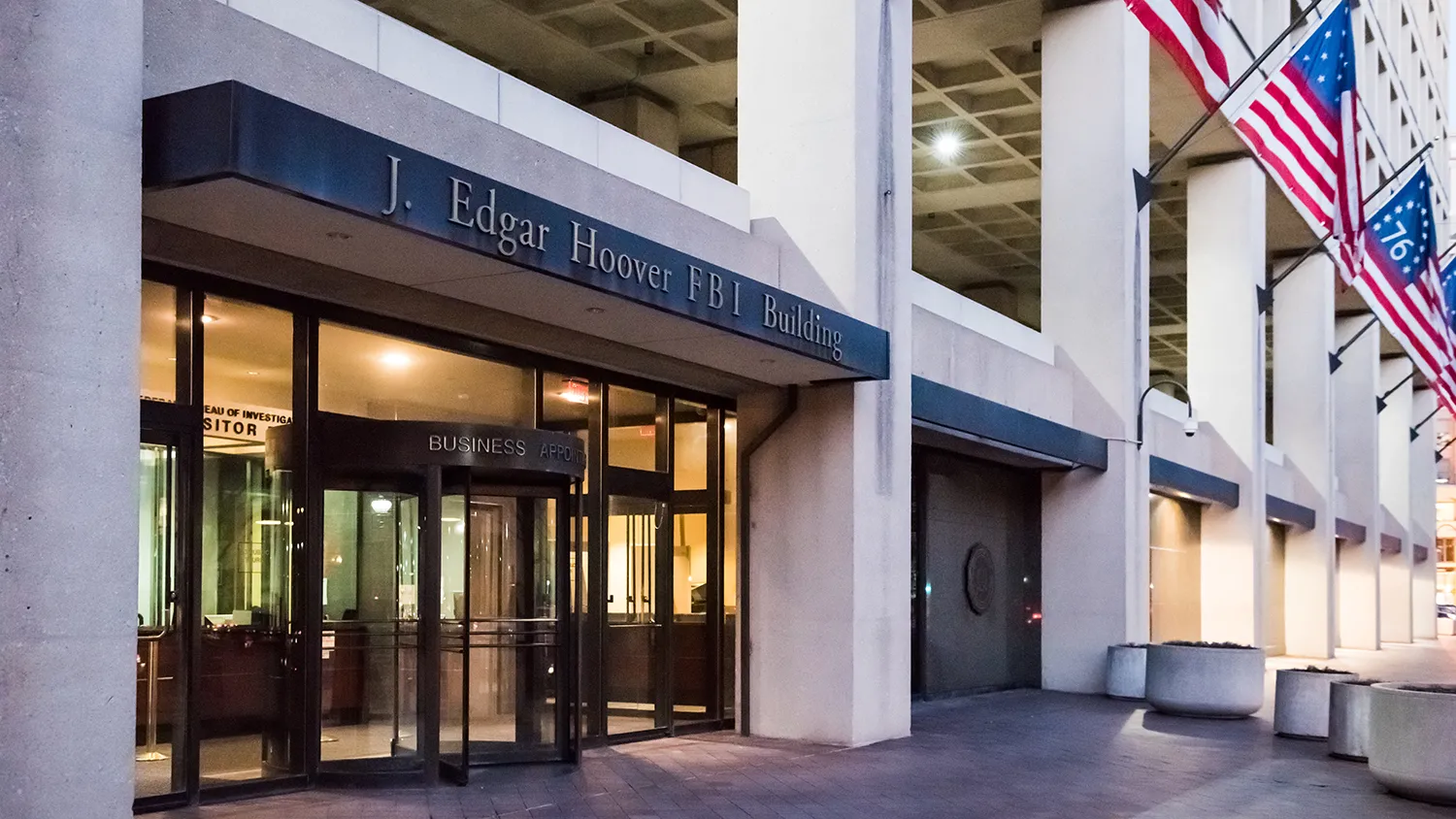
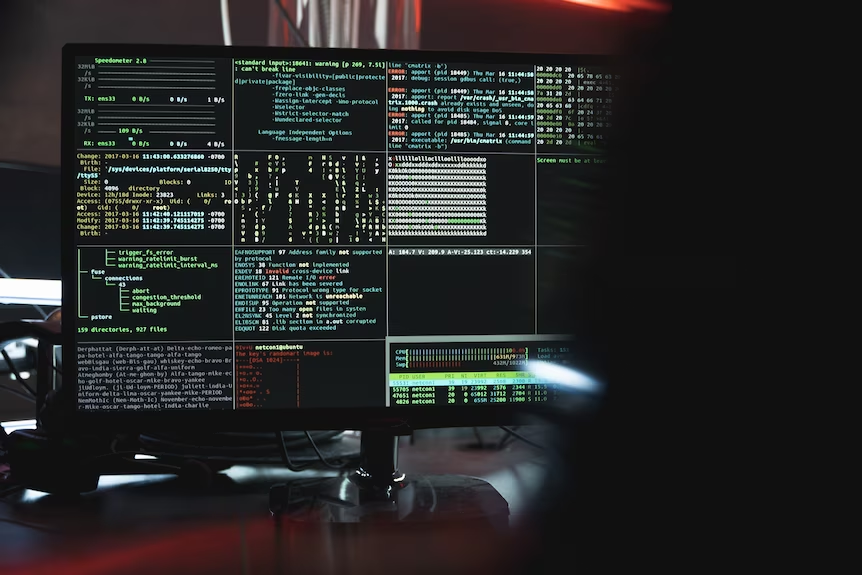
A hacker group has claimed responsibility for breaching FBI computer systems and stealing deeply personal medical records belonging to thousands of the bureau’s special agents, setting off what cybersecurity experts are calling a potentially irreversible national security crisis. The attack, which the FBI formally acknowledged on Wednesday while stating it was aggressively investigating the incident, has exposed information that goes far beyond the typical stolen password or leaked email.
What Was Actually Stolen
The group behind the attack, known as ShinyHunters, says it obtained what are described as “fitness-for-work” medical examination files. These aren’t routine personnel documents. According to reporting by BBC News, which viewed samples of the stolen material, the files contain blood and urine test results, doctors’ notes referencing specific medical conditions, agents’ full legal names and home addresses. The notes reportedly include references to conditions such as “blood in the urine,” “high cholesterol,” and even something as seemingly mundane as a “shellfish and banana allergy.”
On its own, that last detail sounds almost comic. But when you map it against the full name and home address of an FBI special agent actively working undercover assignments or sensitive investigations, it stops being funny very quickly.
Why Medical Data Is the Most Dangerous Kind to Lose
Most people understand what it means when a company loses your credit card number. You cancel the card, get a new one, move on. The calculus with medical data is brutally different. Etay Maor, vice-president of threat intelligence at Cato Networks, put it plainly: passwords can be reset if stolen, but medical records cannot. Once that information is out, it stays compromised. Permanently.
That permanence applied across an entire federal law enforcement workforce is what raises the stakes to an almost unprecedented level. The leak, Maor noted, “maps thousands of agents against their medical and fitness records.” That kind of cross-referenced database is a gift to any adversary, whether a sophisticated foreign intelligence service or an organised criminal outfit looking to exploit vulnerabilities in individual agents.
The Specific Risks Agents Now Face
Cybersecurity professionals have outlined several categories of harm that this type of data can enable. First, there is straightforward blackmail. Medical conditions, even relatively common ones, carry stigma and can be weaponised against individuals whose careers depend on security clearances and reputations. Second, agents face the risk of targeted physical attacks. With home addresses tied to confirmed identities, criminals now potentially know where FBI agents sleep. That is not a metaphor. It is a threat.
Third, and perhaps most operationally damaging, is the risk of impersonation. Detailed personal information, layered with knowledge of bureau procedures and agent identities, could allow sophisticated criminals to convincingly pose as law enforcement officers. That has implications that stretch well beyond the individuals directly affected.
The Ransom Demand That Breaks Every Pattern
Here is where the story takes a genuinely unusual turn. ShinyHunters, despite holding data that would fetch extraordinary sums on underground markets, is not asking for money. The group’s demand is that the FBI retract a specific advisory published in May of this year, one which they claim “offended” them. The hackers have already posted details of the breach on their darknet site and shared data samples with journalists alongside that unusual extortion demand.
This is not standard ransomware playbook behaviour. Criminal groups typically monetise stolen data through direct ransom demands, auction-style dark web sales, or both. Demanding a public retraction of a government document is the kind of move that suggests grievance as much as greed, and it complicates the FBI’s response considerably. Meeting the demand would set a disturbing precedent. Refusing it means the data likely surfaces in full.
The FBI’s Response So Far
The bureau had not responded to multiple press inquiries before formally acknowledging the breach. Its Wednesday statement confirmed the hack was real and that an aggressive investigation was underway, though it offered no specifics on how the systems were penetrated, how many agents were affected, or what steps were being taken to protect those whose records had already been shared with reporters.
That silence, in the immediate hours after ShinyHunters went public, drew criticism from security observers who noted that affected agents deserved timely notification rather than having to learn about their exposed medical histories from a news article.
A Warning About Federal Cybersecurity
This breach arrives against a broader backdrop of growing concern about the resilience of U.S. government digital infrastructure. Federal agencies have faced sustained pressure from state-sponsored hackers, ransomware crews, and ideologically motivated groups for years. The fact that one of the country’s most powerful law enforcement agencies apparently held sensitive agent medical records in systems that could be penetrated by a known criminal group raises uncomfortable questions about how federal institutions manage and secure their most sensitive internal data.
Fitness-for-duty records, by their very nature, are among the most private documents an employer holds. The fact that they were accessible, apparently without triggering sufficient safeguards to prevent a mass exfiltration, is a systemic failure as much as a technical one.
The individuals whose records are now in criminal hands did not sign up to have their cholesterol levels and allergy histories become potential weapons against them. They signed up to investigate crimes. As this story continues to develop, one question demands an honest answer: if the agency responsible for investigating the nation’s most serious cyber crimes cannot secure its own agents’ medical files, what does that say about the state of federal digital security, and who is truly accountable when it fails?