









Walk past any school website right now and you will likely find rows of smiling faces staring back at you. Prize-giving ceremonies, football matches, science fairs, end-of-term concerts. Schools have spent the better part of two decades building a culture of sharing these moments online, with the best of intentions: keeping parents informed, building community spirit, and celebrating their pupils. Nobody meant any harm. That is precisely what makes this conversation so uncomfortable.
The Hidden Risk Behind a Wholesome Tradition
The practice of schools posting photographs of children on public-facing websites and social media accounts has become so routine that it rarely attracts a second thought. A class wins a sports competition, and within hours the photo is live. A pupil earns a reading award, and their face appears in the school newsletter shared across the local community Facebook group. These images feel celebratory, local, and safe.
But the digital world does not respect local boundaries. Once an image is published online, it can be downloaded, shared, re-uploaded, and indexed by search engines within minutes. The child in that photo has no control over where their face travels next. Their parent may not even know the image was posted in the first place.
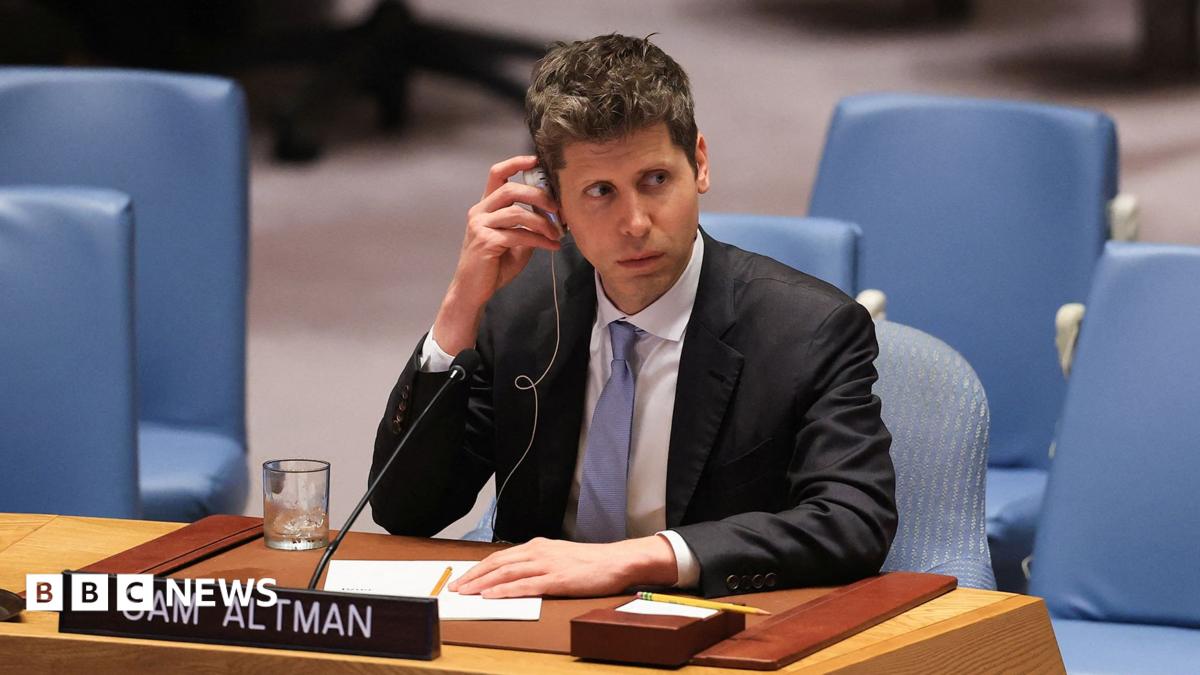
This growing tension between celebration and caution is exactly the kind of question BBC Tech Life has been examining, and it is a conversation long overdue in schools, in living rooms, and in the policy offices of education authorities.
What Can Actually Go Wrong
The concern is not hypothetical. Child safety researchers and digital rights advocates have documented cases where photographs taken in entirely innocent contexts, school events, community days, and charity drives, were scraped from public websites and repurposed without consent. In some cases, images of minors ended up feeding facial recognition datasets. In others, they appeared on platforms with no connection to education whatsoever.
There is also a more straightforward danger. A photo that includes a child’s name in the caption, their school uniform in the frame, and their face clearly visible creates a remarkably detailed profile for anyone with bad intentions. Add the school’s name in the URL or the caption, and you have effectively told a stranger exactly where that child will be every weekday between 8am and 3pm.
None of this is the school’s fault, exactly. But intent and impact are not the same thing.
The Consent Question Nobody Is Asking Loudly Enough
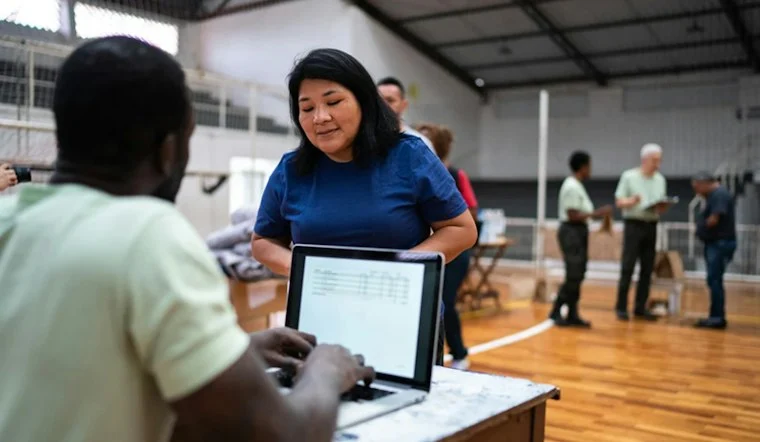
Most schools do ask parents to sign photo consent forms at the start of each academic year. In theory, this covers the school legally. In practice, those forms are often vague, rarely explained in detail, and signed in the administrative blur of settling a child into a new year. Parents may tick a box agreeing to their child’s photo being used without fully understanding that means a publicly indexed webpage, not just a printed newsletter.
Children themselves are almost never consulted. A ten-year-old photographed at a school event in 2026 may be a teenager in 2030 who feels uncomfortable knowing images of their younger self are still circulating online. The internet has a long memory, and young people are increasingly aware of that as they grow up.
What Schools Can Do Differently
This is not an argument for banning school photography altogether. Celebrating pupils matters. Visual records of school life have genuine value. But there are practical steps that shift the balance toward safety without sacrificing warmth.
Password-protected parent portals, rather than public websites, are one option. Some schools have moved to this model already, allowing only verified parents and guardians to view images of pupils. Others have adopted a policy of never including a child’s full name in any caption accompanying a photo, reducing the risk of a detailed profile being assembled.
Reviewing and removing old images from public-facing websites is another step that costs nothing except time. Many schools have galleries stretching back years, full of photos taken under older, looser policies, featuring children who are now teenagers or young adults. A periodic audit of what is publicly visible seems like a basic duty of care.
The Broader Picture for Parents
Parents are not powerless here. It is entirely reasonable to ask your child’s school exactly where photographs will be published, for how long, and who has access to them. You can withdraw consent at any time, and any reputable school should accommodate that request without making you feel awkward about it.
It also helps to have honest conversations with children, even young ones, about the fact that photos of them exist online and that this has real-world implications. Not to frighten them, but to build the kind of digital literacy that will serve them throughout their lives.
A Culture Shift, Not a Technology Problem
The technology itself is not the villain in this story. Cameras, websites, and social media platforms are neutral tools. The issue is cultural: a habit that formed before the risks were well understood, and that has persisted through inertia rather than active endorsement.
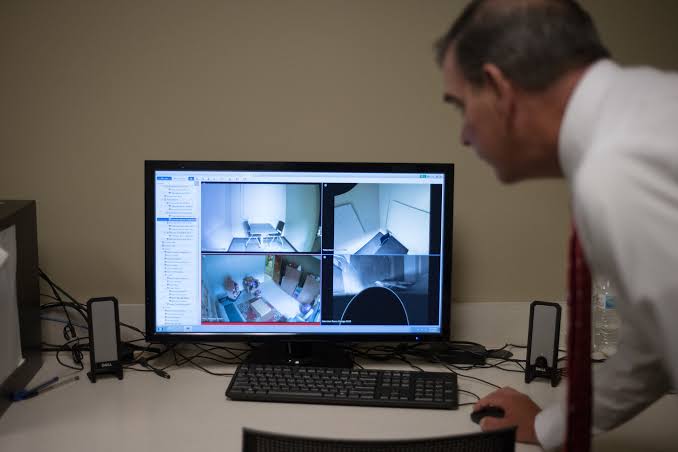
Schools are trusted institutions. They hold an enormous amount of responsibility for the children in their care, and that responsibility does not clock out the moment the school day ends. In 2026, with AI image tools more accessible than ever and online privacy concerns hitting new heights, the question of who is watching school photo galleries deserves a serious, honest answer.
The next time your child’s school posts a group photo online, ask yourself: do you know who can see it, where it might travel, and whether your child would be comfortable with that? And if you do not know the answers, perhaps it is time to ask the school directly.