




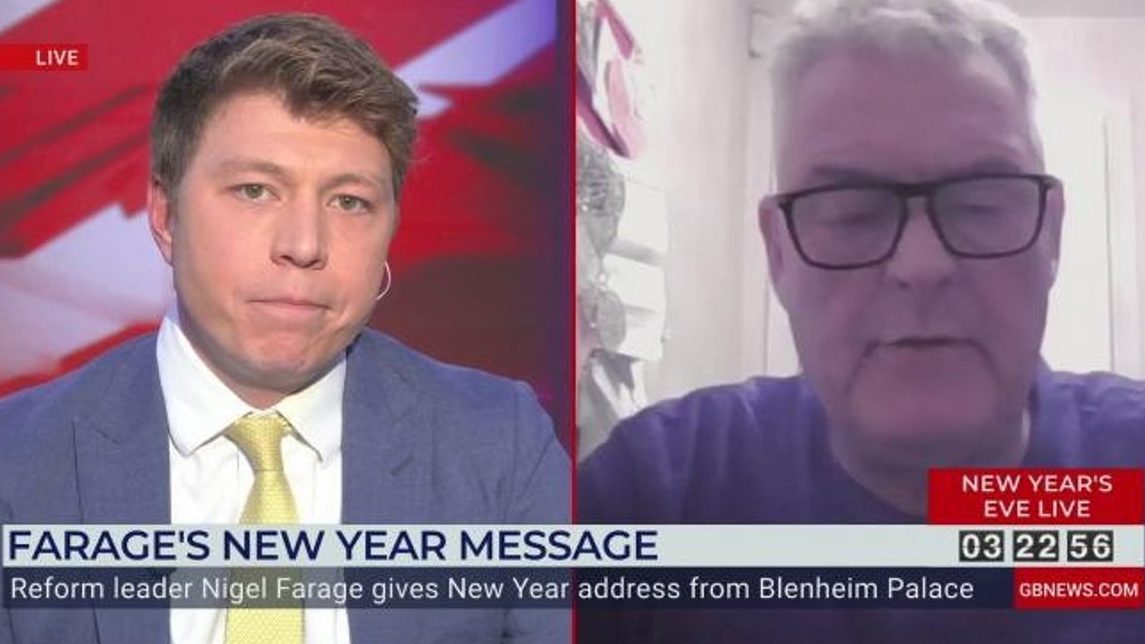
On Monday, August 3, 2026, Reform UK’s proposal to use Royal Navy vessels as a tool to halt small boat crossings in the English Channel ran into a wall of scepticism, with political opponents and military voices lining up to question both the motive and the mechanics behind the pledge.
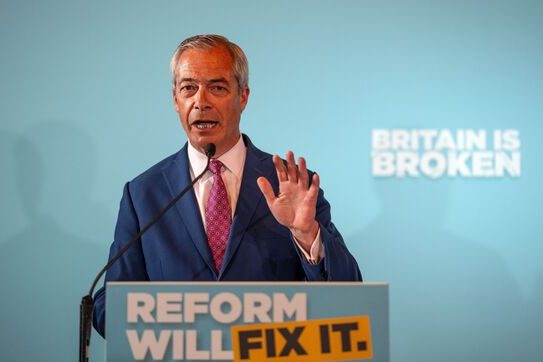
A Policy Under Fire Before It Even Sets Sail
The plan, which would see the Navy deployed to intercept and turn back migrants attempting the crossing from northern France, has been framed by Reform as a decisive, no-nonsense answer to a crisis that successive governments have failed to resolve. But the reception has been anything but warm. Labour wasted no time labelling the announcement a “desperate attempt to distract from sleaze,” a line that signals the party sees this less as a serious policy proposal and more as political theatre designed to shift the conversation away from Reform’s own internal controversies.
The sharpest critique, however, came not from a politician but from a retired naval commander who told reporters the plan simply “lacks substance.” That kind of military pushback is hard to wave away. When someone who has actually commanded ships at sea says a naval deployment strategy does not hold up to scrutiny, it carries a different weight than the usual partisan noise. You can read the full developing story as it unfolded in The Guardian’s live politics blog.
The Economic Backdrop Making Everything Harder
This political row is playing out against a broader national anxiety. Chancellor John Healey used a weekend column to put major retailers on notice, warning that the government is watching closely for any signs of profiteering as the ongoing conflict involving Iran continues to push up prices at fuel pumps and in supermarkets. Healey was careful to note there had been “no significant evidence of so-called price gouging” so far, but his message was pointed: ministers are watching, and they will act. The phrase “being taken for a ride at the pump or the till” is not the language of gentle observation. It is a warning dressed in plain English.
The cost-of-living pressure adds a layer of context to why immigration rhetoric resonates so strongly right now. When household budgets are squeezed by external geopolitical shocks, political parties that offer simple, visible solutions to complex problems tend to find an audience. Reform understands this dynamic well. Whether their Navy plan is workable is almost secondary to whether it sounds tough enough to appeal to voters who feel the system is broken.
Reform’s Own Admission: The Elections Are Not Going Well
What makes this moment particularly telling is that Reform itself has acknowledged the ground is shifting beneath it. Party figures have admitted to a run of disappointing election results, saying openly, “We have had a few election results that have been disappointing. And we acknowledge that.” That kind of candour is unusual in British politics, where admitting weakness is rarely the done thing. The party says it is listening to voters and learning, and insists it is making the case for why Britain needs a Reform government.
But acknowledgment and adaptation are two different things. Announcing a high-profile naval policy on the same week that electoral setbacks are being discussed publicly raises an obvious question: is this a genuine strategic pivot, or is it an attempt to get back on the front foot with a story that plays to the party’s core identity?
What Would a Naval Deployment Actually Look Like?
The practical complications of deploying the Royal Navy in the Channel are considerable. International maritime law, including obligations under the UN Convention on the Law of the Sea and the 1951 Refugee Convention, places strict limits on what any country can do when intercepting vessels carrying people in distress. France’s cooperation, or lack of it, would be central to any operational success. The Navy itself is stretched, with commitments that span from the North Atlantic to the Indo-Pacific. Critics argue that the logistics alone make the proposal more campaign poster than operational blueprint.
A retired commander saying the plan lacks substance is not a minor footnote. It speaks to a deeper problem with headline-grabbing border policies: the Channel is not a simple theatre of operations, and the legal, diplomatic, and logistical web surrounding it does not yield easily to political will alone.
Where Does This Leave British Politics?
British politics in August 2026 is a place of high noise and unresolved tension. Reform is struggling to convert its energy into electoral gains. Labour is playing defence on both the economy and its internal integrity. And a retired naval officer is quietly making more sense than most of the politicians in the room.
The small boats debate has become one of those issues that every party knows it cannot ignore but none has genuinely solved. It sits at the intersection of law, international relations, domestic anxiety, and raw political identity. Reform’s Navy plan may fade or it may evolve into something more substantive. Either way, the scrutiny it is attracting right now is exactly what serious policy proposals are supposed to withstand.
The question worth sitting with is this: when a political party announces a plan and the people with actual expertise in that area say it does not hold up, at what point do voters start demanding more from their politicians than a bold headline?