


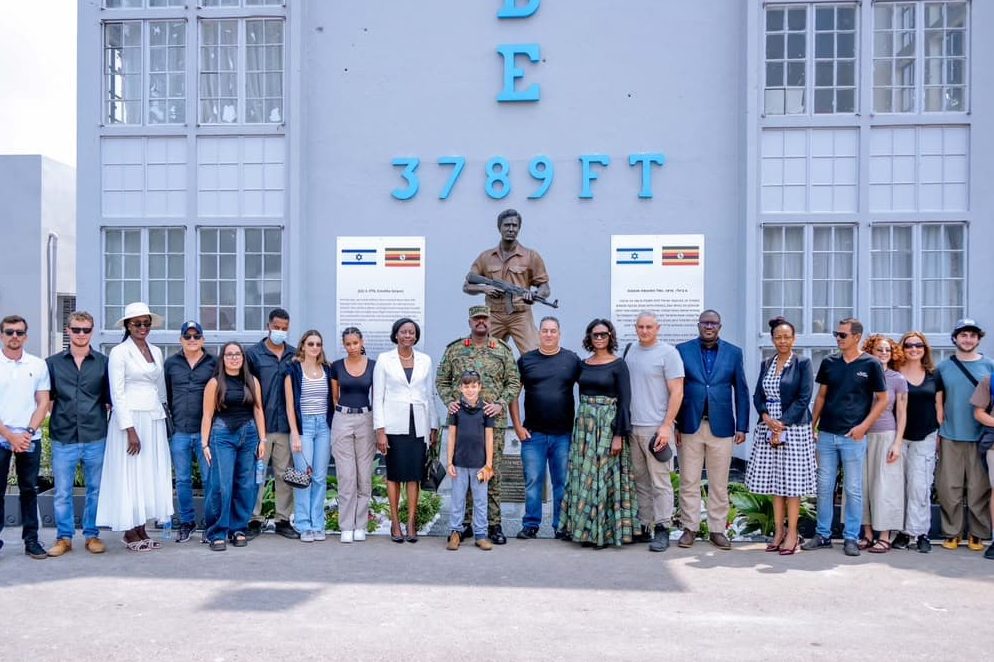
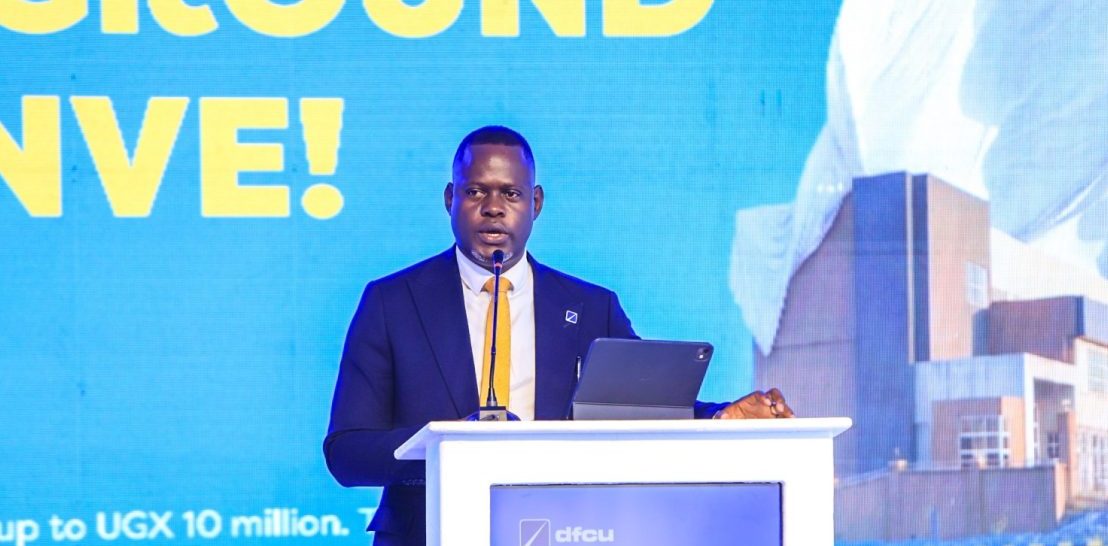
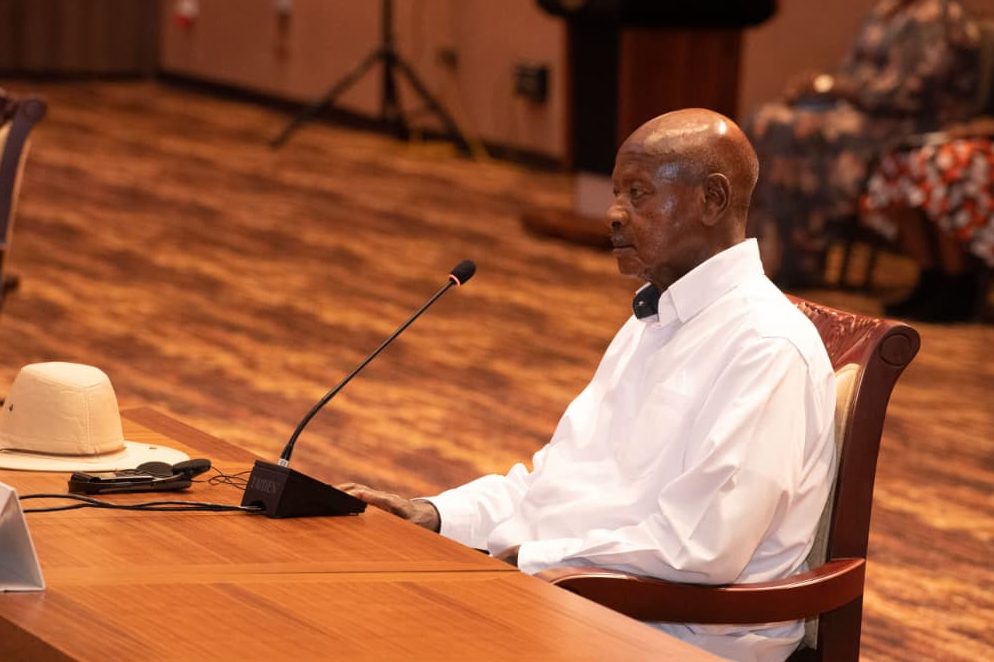




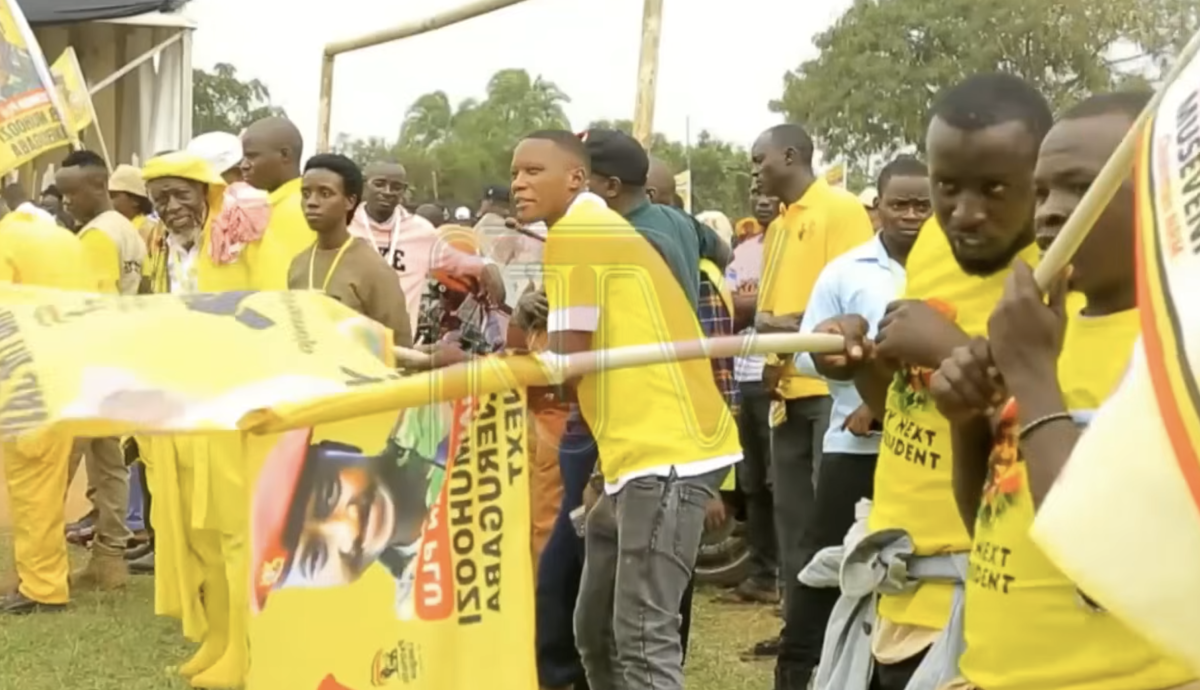
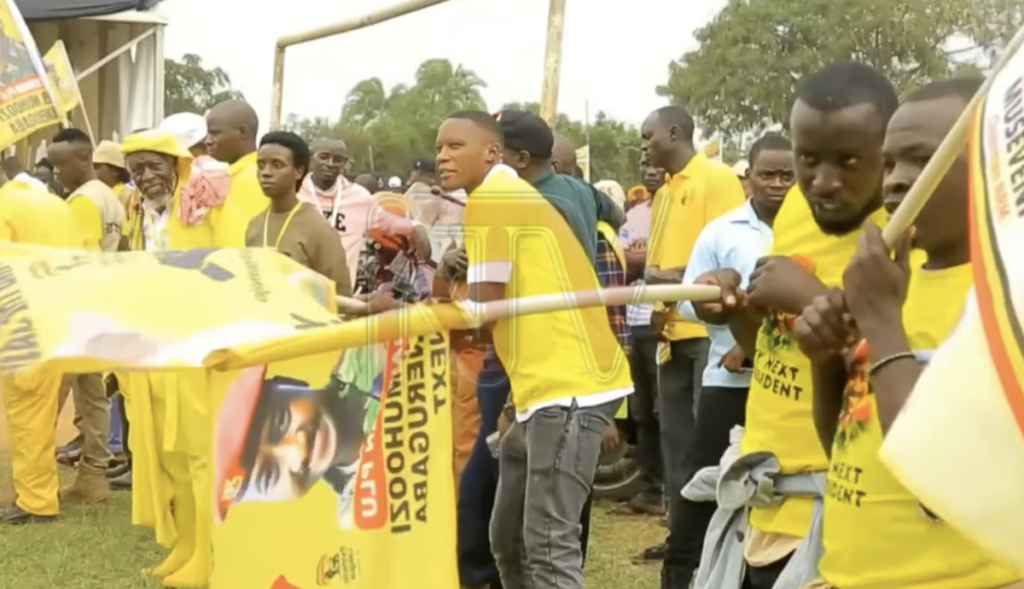
In a country where political energy often concentrates in the capital and rarely finds its way to dusty district roads, a group called PLU made a deliberate move in the opposite direction. On a recent evening in Kyegegwa district, the organisation formally launched what it describes as a countrywide tour, one designed not to broadcast messages but to absorb them. The goal: hear what citizens are struggling with, and figure out collectively how those problems can be solved.
Going to Where the People Are
The logic behind the initiative is straightforward, even if the execution requires real commitment. Rather than holding polished press conferences in Kampala and expecting communities to tune in, PLU has chosen to move through different parts of the country, physically present among the people whose lives intersect with the decisions made far above their pay grade. Kyegegwa, a district in western Uganda, served as the launch point for this effort.
The group’s focus, according to NTV Uganda’s coverage, is on strengthening civic identity among its membership while simultaneously opening a listening channel to broader Ugandan society. Participants get to experience different parts of the country, understand what national resources look like in various settings, and bring those observations back into their own work and advocacy.
Civic Participation as a Muscle, Not a Moment
What makes this kind of initiative worth paying attention to is the philosophy driving it. Civic participation in Uganda, as in many African nations, has historically been treated as something that happens at election time and then recedes. Communities get visited, promises get made, and then silence follows until the next cycle. PLU’s approach pushes against that pattern by building a structure that operates between the headlines.
The idea of touring national installations and public spaces is partly symbolic and partly practical. Symbolic because it signals that citizens have a right to see, understand, and comment on what is done in their name. Practical because it gives members a concrete vocabulary when they return to their communities. You cannot advocate meaningfully for infrastructure you have never seen, or criticise a system you have never engaged with up close.
Listening as a Political Act
There is something quietly radical about an organisation that builds its programme around listening rather than lecturing. Uganda has no shortage of groups that descend on communities with pre-packaged messages and leave before the questions start. PLU’s framing, at least as described in Kyegegwa, points in a different direction. The issues Ugandans raise during these sessions are meant to inform how the group thinks and operates, not be filed away for later.
This matters because the problems people name in places like Kyegegwa are often not the ones that dominate policy conversation. Water access, health facility distances, road conditions, employment for young people, these are the textures of daily life that get flattened into statistics when viewed from above and only become real when someone sits down and asks.
Kyegegwa as a Starting Point
The choice of Kyegegwa as the launch district is itself a statement. It is not Kampala. It is not a location that routinely draws national attention. Choosing it as the opening chapter of a national tour suggests a deliberate effort to reach beyond the obvious centres of gravity. If the tour follows through on its ambitions and continues into other districts with the same energy, it could build the kind of nationwide network that is genuinely difficult to construct and genuinely useful when it exists.
For communities that have grown accustomed to being talked at rather than talked with, an evening session where their concerns are actually recorded and considered is not a small thing. It is, in many ways, the baseline of what civic life should look like.
What Comes After the Listening
The real test for any listening tour is what happens once the notebooks are full. Gathering community concerns is meaningful only if those concerns feed into something concrete, whether that is advocacy, policy proposals, or internal reform of how the organising group itself operates. PLU has set a high bar by framing this as a strengthening exercise for its membership and a platform for citizens to name their problems and explore solutions together.
That combination, building internal capacity while opening outward to public input, is the kind of dual track that separates organisations with staying power from those that produce one well-photographed moment and then fade.
Uganda’s civic landscape needs more spaces where ordinary people feel their knowledge and experience are worth something to those who claim to represent them. Whether PLU’s national tour delivers on that promise will depend on what it does with everything it hears in Kyegegwa and every district that follows. The question worth asking now is this: if your community were the next stop on the tour, what would you want them to know?