


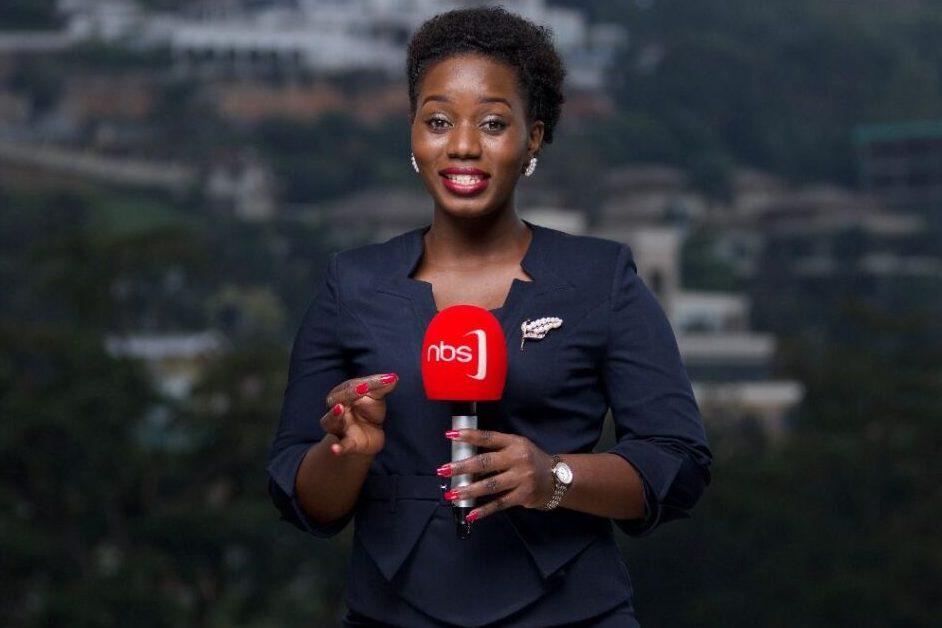
She has a voice that commands attention and a career built on asking the hard questions. But when it comes to stepping onto Uganda’s political stage herself, celebrated media personality Mildred Tuhaise says she would rather keep her press pass than pick up a manifesto. In a candid interview that has since captured public attention, Tuhaise explained her deep reservations about joining elective politics, shedding light on what keeps one of Uganda’s most recognizable media figures firmly on the sidelines.
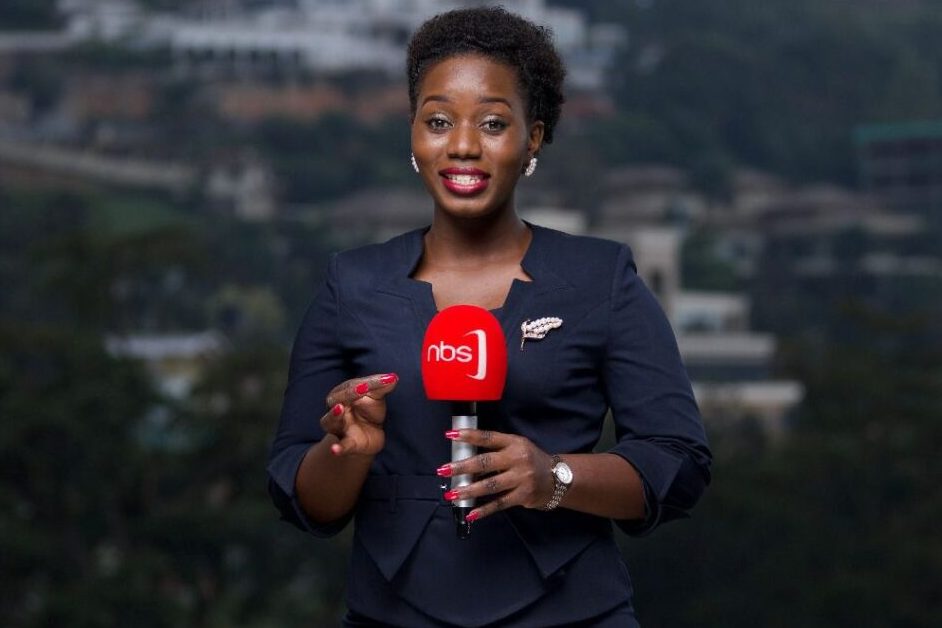
The Poster That Started the Conversation
Anyone who followed the 2021/2026 general election cycle in Uganda may recall a campaign poster that made the rounds online, apparently putting Tuhaise forward as a candidate for the Masindi District Woman MP seat. For many, it seemed like the beginning of an exciting political chapter for a woman they had grown to admire through screens and radio waves.
There was just one problem: Tuhaise had nothing to do with it.
Speaking openly about the poster, she made clear that it was not produced by any campaign structure on her behalf. Instead, she traced its origins to enthusiastic supporters from Masindi who genuinely believed she had the qualities to represent them in Parliament. Their hearts were in the right place, she acknowledged, but the poster did not reflect any decision she had actually made.
It is a situation that reveals something quietly powerful: Tuhaise carries enough public trust and goodwill that ordinary citizens were ready to draft her into office before she had even considered running. That kind of organic support is rare in any country’s political landscape. In Uganda, it is practically a campaign in itself.
When Watching Up Close Becomes a Warning
So why the hesitation? After all, Uganda has seen journalists and media figures transition into politics before, and many would argue that someone with Tuhaise’s profile and communication skills would be a natural fit for public office.
Her answer cuts straight to the point. Years spent covering elections as a journalist have given her an unfiltered view of how Ugandan politics actually operates, and what she has witnessed has left a lasting impression. Not the kind that inspires, but the kind that quietly plants seeds of fear.
There is something uniquely sobering about watching an institution from the inside as a reporter. Unlike the average voter who experiences politics through speeches and campaign rallies, a journalist sees the mechanics behind the curtain: the pressure, the compromises, the uglier corners of a system that can grind down even the most principled of people. Tuhaise has covered enough ground to know what she would be walking into, and that knowledge weighs heavily.
As she explained in the interview, she genuinely fears Ugandan politics, and that fear is not born from ignorance. It is born from experience.
The Encouragement She Has Received
To be clear, Tuhaise has not been short of nudges from people around her. By her own account, she has had plenty of encouragement to take the leap into the political world. Friends, supporters, and well-wishers have seen her public presence, her ability to connect with audiences, and her obvious intelligence, and drawn the logical conclusion that she belongs in a decision-making space.
Yet encouragement, however sincere, does not resolve the deeper concerns she carries. There is a difference between believing someone is capable of something and believing that something is worth doing. For Tuhaise, the capability may never have been the question. The environment is.
This distinction matters. Too often, the conversation around women in Ugandan politics focuses almost exclusively on whether women are ready for politics, rather than whether politics is ready to treat women the way they deserve. Tuhaise’s hesitation speaks to something much bigger than personal fear. It speaks to a systemic reality that many aspirants, particularly women, quietly navigate every election cycle.
What Her Caution Says About Uganda’s Political Culture
Tuhaise’s candor opens a wider discussion that Uganda’s political class might not find entirely comfortable. When a respected, highly capable public figure openly admits to fearing the political arena, it raises legitimate questions about the conditions that produce that fear. What does someone like Tuhaise observe while reporting on elections that gives her pause? And if such reservations exist in someone with her platform and visibility, what does that mean for less prominent aspirants with fewer resources and protections?
Uganda has made constitutional and legislative strides toward greater representation, including the woman MP seat structure that guarantees female voices at district level. But structural inclusion and genuine cultural safety are not always the same thing. The former can be legislated. The latter has to be built, one political cycle at a time, through the kind of accountability and civility that discourages exactly the behavior that makes seasoned observers like Tuhaise wary.
Her willingness to speak honestly about this tension is, in its own way, a contribution to that conversation. Not every public figure is comfortable naming what they are afraid of. Tuhaise did it plainly, and that kind of honesty carries more weight than a hundred polished campaign speeches.
A Door Left Open, Not Closed
It would be premature to write off any future political ambition on her part entirely. Tuhaise used the phrase “no immediate plans,” which is the language of someone who has not made a permanent decision, only a present one. The door, it seems, is ajar rather than locked.
Whether she ever walks through it will likely depend on factors beyond personal readiness: the political climate, the circumstances in Masindi, and perhaps a shift in the culture she currently finds so daunting. For now, Uganda retains one of its sharpest media voices in the press box rather than on the campaign trail, which is arguably where she does some of her most valuable work anyway.
Her journalism has shaped how Ugandans understand their country. Her caution about politics, stated so directly and without apology, might just shape how Uganda’s political culture gets examined going forward. Sometimes staying out of the room and reporting on what happens inside it is the braver choice.
So here is the question worth sitting with: if someone with Mildred Tuhaise’s experience, visibility, and credibility still feels afraid of Uganda’s political environment, what needs to change before that environment is truly welcoming to the people it most needs?