









London has seen plenty of firsts in its long history, but Thursday brought something that even the city’s most seasoned commuters likely never expected to encounter on their way to work: a self-driving Uber. The ride-hailing giant officially launched the UK’s first robotaxi service in the capital, making London the latest major city to join a growing global experiment in autonomous transport.
Fifteen Cars, One Giant Leap
The rollout is modest by design. Uber has started with just 15 autonomous vehicles cleared to operate on London’s streets, a measured approach that reflects both the complexity of the city’s road network and the regulatory caution that surrounds this kind of technology. London is not exactly a forgiving proving ground, the traffic is dense, the cyclists are determined, and pedestrians have a habit of materialising from nowhere. Getting a self-driving car to navigate all of that is no small feat.
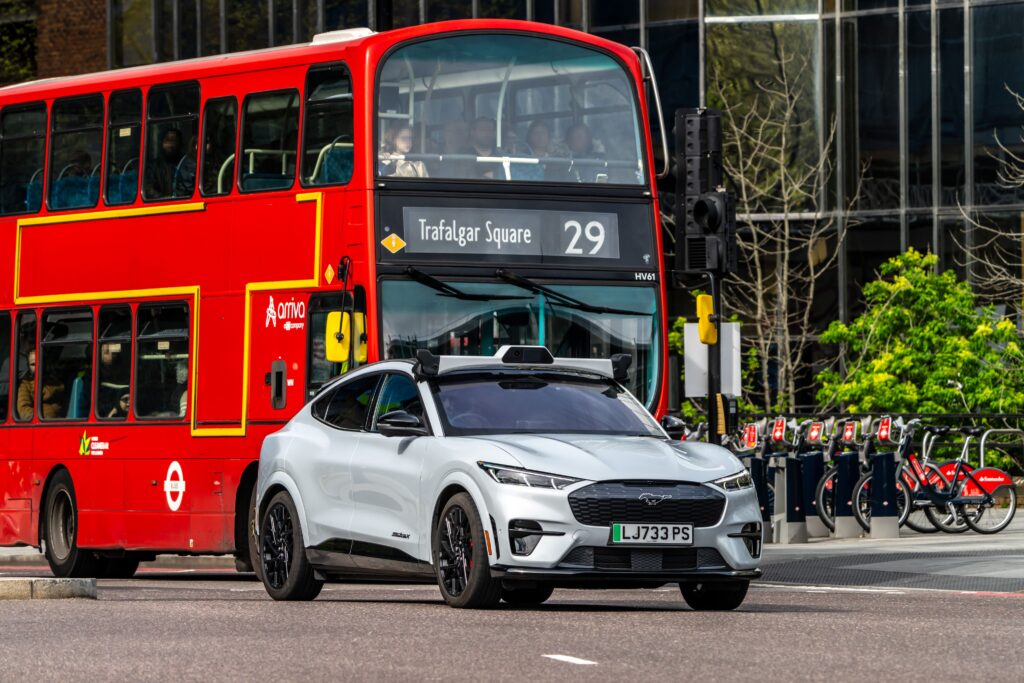
Each of the 15 vehicles carries a human safety driver, positioned behind the wheel and trained to take over if the car’s systems flag a situation they cannot handle. It is a critical safeguard, and one that regulators clearly insisted upon before granting the service a licence to operate. The presence of that driver is not a sign of failure, it is, for now, the price of permission.
The Fare? Exactly What You’d Pay Anyway
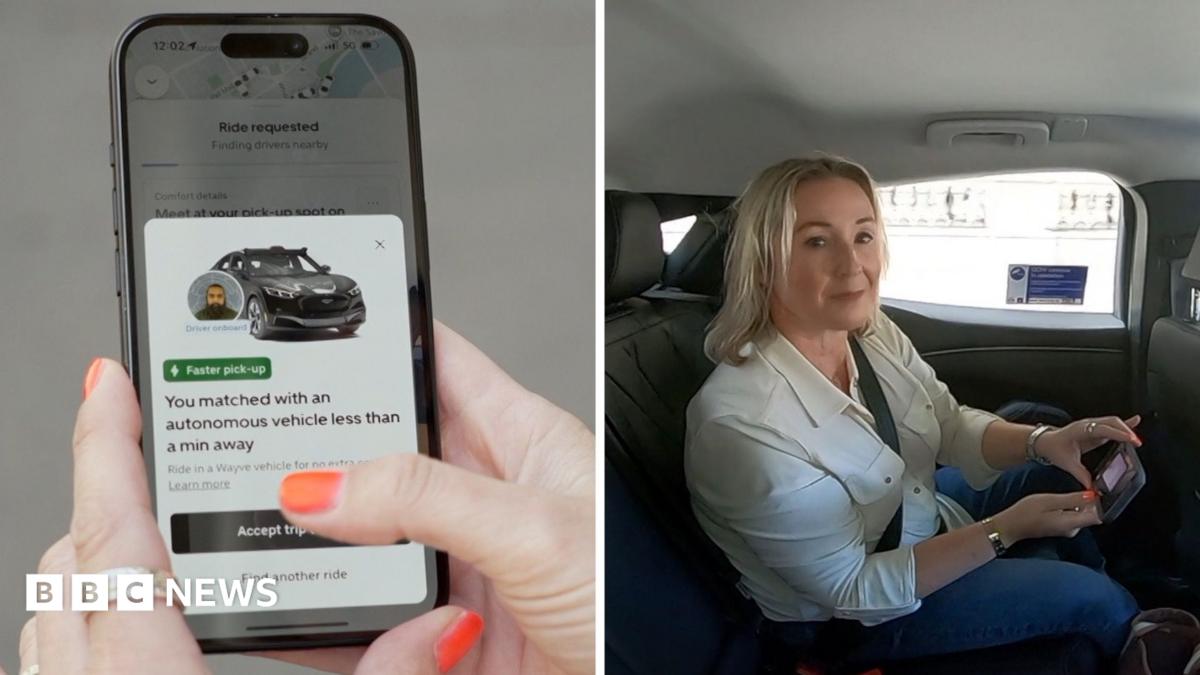
One of the more surprising details about the launch is the pricing. Uber has confirmed that a robotaxi ride in London will cost the same as a standard UberX, Uber Electric, or Uber Comfort journey, with upfront fares displayed in the app before you confirm the booking. There is no novelty premium. No early-adopter surcharge. You simply open the app, see the price, and decide if you want in.
That pricing strategy is a smart one. It removes any psychological barrier that might stop curious passengers from trying the service, and it positions autonomous rides not as a luxury product but as a mainstream option that happens to come without a human at the controls. At least, not an active one.
A Journalist Takes the First Ride
The BBC’s technology correspondent Zoe Kleinman became the first British journalist to hail one of the new self-driving Ubers in London, and her account of the experience offers a vivid window into what riding in a robotaxi actually feels like. The BBC documented the journey, capturing the slightly uncanny sensation of sitting in a vehicle that accelerates, brakes, and steers without any visible human input. The car moves with a kind of deliberate, unhurried confidence that is equal parts reassuring and deeply strange.
Kleinman’s ride is significant beyond the novelty. It marks a cultural threshold, the moment when robotaxis moved from tech conference demonstrations and limited US trials into the everyday fabric of a major European city. London is not San Francisco, and the roads here have not been built with autonomous navigation in mind. The fact that these cars are running at all is a genuine milestone.
Why London, and Why Now?
Uber’s decision to launch in London first is not accidental. The city has a mature ride-hailing market, a tech-savvy population, and a regulatory environment that, while demanding, has shown a willingness to engage with innovation. Transport for London and the broader UK government have both signalled interest in being early movers on autonomous transport, and Uber has clearly been working through the licensing process for some time to get to this point.
There is also a commercial logic at play. Autonomous vehicles, at scale, remove the single biggest cost in any ride-hailing business: the driver. If Uber can prove the technology works safely in one of the world’s most complex urban environments, the case for expanding the fleet becomes very strong. Starting small, at standard fares, is how you build public trust before you build volume.
What Passengers Should Know Before They Book
For anyone tempted to flag down one of these cars, a few things are worth knowing. First, availability will be limited given the small fleet size, so not every journey through the Uber app will surface a robotaxi as an option. Second, the presence of a safety driver means the experience is not quite the full science-fiction version of autonomous travel, you are not alone in a moving pod hurtling through the city. Third, the car’s systems are designed to handle the unexpected, but the human in the front seat exists precisely because no system is perfect.
The technology powering these vehicles involves a combination of cameras, lidar sensors, and sophisticated machine learning models that interpret the road environment in real time. Every decision the car makes, from changing lanes to responding to a red light, runs through algorithms that have been trained on millions of miles of driving data. It is impressive engineering, delivered in a package that looks, from the outside, like a perfectly ordinary car.
The Bigger Picture for British Transport
The launch raises questions that go well beyond one company’s product rollout. If robotaxis prove safe and popular in London, pressure will grow on other UK cities to open their roads to similar services. Taxi and private hire drivers, already navigating a difficult market, will be watching closely. Unions will have views. Politicians will need to take positions on licensing, liability, and the pace of rollout.
And then there is the infrastructure question. Cities built for human drivers may need rethinking for vehicles that process the world through sensors rather than eyes. Road markings, signage, even the way emergency services communicate with traffic, all of it sits within a system designed for humans. Autonomous vehicles will eventually require the system to meet them halfway.
For now, though, Uber has put 15 cars on London’s streets and invited the city to take a ride. The service is live, the app works, and the future is available at standard UberX pricing. That is either the most understated technological moment of the year, or the opening chapter of something much larger. Possibly both.
So here is the question worth sitting with: as self-driving cars inch toward becoming an everyday reality, are you ready to hand the wheel to an algorithm, and what would it take to make you fully trust the ride?