


Uganda’s entertainment scene has never been short of opinions, but when a veteran of John Segawa’s calibre speaks, the industry tends to listen. This week, the seasoned director, actor, playwright, and arts educator turned his attention toward singer King Saha, delivering a blunt and very public message: before you position yourself as anyone else’s career counsellor, sort out your own musical house first.
The Comment That Sparked the Conversation
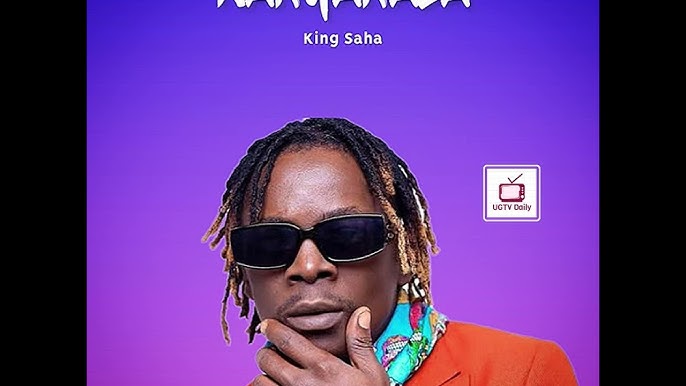
The trigger for Segawa’s remarks was King Saha’s recent advice to rising talent Joshua Baraka. King Saha had urged Baraka to pay closer attention to his local fanbase rather than chasing international validation, a perspective that, on its surface, carries some merit. But Segawa was not interested in debating the content of that advice. His issue was with who was giving it.

According to a report published by Mbu, Segawa described King Saha as someone with a habit of weighing in on almost everything, often directing attention outward when it could be better used looking inward. The veteran arts figure made it clear that King Saha’s current standing in the industry does not quite earn him the authority to serve as a guide for others.
Where Segawa Believes King Saha Should Be
What gives Segawa’s critique its real sting is the benchmark he sets. He suggested that King Saha, given his talent and time in the game, should by now be competing at the level of heavyweights like Jose Chameleone and Bebe Cool, two artists who have spent decades cementing their status as pillars of Ugandan music. The implication is clear: King Saha has not yet reached that tier, and offering career wisdom to younger artists while his own trajectory remains unfinished is, at best, premature.
It is the kind of observation that cuts because it is rooted in a recognisable truth about the music industry, not just in Uganda but everywhere. Career longevity is built through consistent output, audience loyalty, and smart brand decisions, not through public commentary on what others should or should not be doing.
The Irony of Unsolicited Industry Advice
There is a particular irony in a musician gaining more visibility for his opinions than for his music. King Saha is not without talent, and that is precisely what makes Segawa’s point land so hard. When someone with genuine ability spends significant energy advising peers, critics, and commentators start asking why that energy is not going into the studio, the stage, or the strategic decisions that elevate careers.
Joshua Baraka, the subject of King Saha’s original advice, is a young artist generating real momentum. Whether or not Baraka heeds the counsel is almost beside the point now. The conversation has shifted entirely to King Saha himself and whether his public posture matches his private output.
Segawa’s Broader Message to Uganda’s Music Industry
Segawa is not simply picking on one artist. His intervention touches on something broader within Uganda’s creative community: the culture of public critique among peers. The arts world anywhere thrives when its members compete through work rather than words. When artists spend more time commenting on each other’s decisions than refining their own craft, it creates noise that benefits no one.
As someone who has worked across theatre, film, and arts education, Segawa brings a rare cross-disciplinary perspective. He understands how reputations are built and how they erode. And his message, stripped of diplomatic cushioning, is that reputation is not built by being the loudest voice in the room.
What King Saha’s Next Move Might Look Like
The ball is now firmly in King Saha’s court. He can respond with another round of public statements, which would likely reinforce Segawa’s point, or he can let the music do the talking. A strong project, a well-executed tour, a meaningful collaboration with artists at the level he aspires to reach: these are the moves that shift narratives.
Uganda’s music audience is sophisticated and loyal, but loyalty is earned through presence and consistency. King Saha has shown flashes of what he is capable of. The question Segawa is really asking, beneath all the directness, is whether those flashes will ever become a sustained flame.
So here is something worth sitting with: in an industry where everyone has an opinion, is the most powerful statement a musician can make simply letting the work speak for itself?