



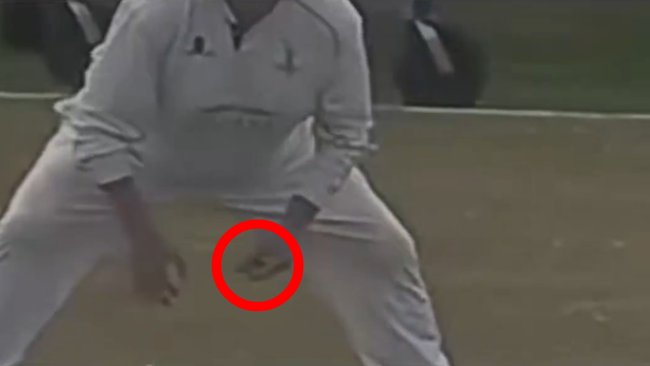
It took less than a second. One sharp click of the fingers, one deceived umpire, one batter wrongly sent back to the pavilion, and one very public unraveling of a club cricketer’s reputation. Brian Devine, 38, has now been handed the full weight of that moment’s consequences: a two-year ban from all cricket under the authority of the England and Wales Cricket Board, effective until the close of the 2028 season.
Devine’s Saltburn CC 2nd XI have also been relegated, and the club has been fined by the ECB, making this one of the most severe outcomes to emerge from a grassroots cricket controversy in recent memory. The punishment, which covers playing, coaching, umpiring, and scoring, strips Devine of virtually every role he could occupy within the sport.
How a Viral Clip Rewrote the Rules of Amateur Cricket
The incident dates back to July of this year, during a Division Two match in the North Yorkshire and South Durham Cricket League. Footage from the game circulated rapidly online after it captured Devine, fielding in the slips area, clicking his fingers at precisely the right moment to mimic the sound of a ball striking the bat’s edge. The umpire, hearing what seemed like a genuine nick, raised his finger. The Norton CC batter was dismissed. The replays told a very different story.
Cricket Twitter, as it always does, had a field day. Within hours, Devine had a nickname: “Clicky Ponting”, a cheeky nod to Australian batting great Ricky Ponting, whose on-field competitiveness became the stuff of legend. It was funny, it was cutting, and it stuck. The clip racked up views across social media platforms, pulling the quiet world of North Yorkshire league cricket into an uncomfortable spotlight it was not expecting.
The ECB’s formal ruling confirms what most viewers already suspected: this was deliberate deception, not an accidental sound or a misunderstanding. The governing body took the matter seriously enough to pursue a ban that stretches well beyond a symbolic slap on the wrist.
What the Punishment Actually Means
Two years is a significant stretch for any sportsperson, let alone a club cricketer in his late thirties. At 38, Devine was never going to play for England. But recreational cricket, particularly in the tight-knit leagues of North Yorkshire, is a way of life rather than just a hobby. Weekend matches, club socials, the smell of freshly cut outfield grass in August: all of it is now off limits until 2029 at the earliest.
The scope of the ban is also striking. By covering coaching, umpiring, and scoring alongside playing, the ECB has closed every conceivable door back into the game. Devine cannot even stand at the boundary with a scorebook in hand. It is a complete severance, delivered to send a message that travels far beyond one finger click in a second-division league match.
Saltburn CC’s punishment cuts even deeper in some ways. Relegation affects every player on that squad, most of whom had absolutely nothing to do with what their teammate did. That is the brutal logic of collective sporting consequence: actions in a team environment can carry shared penalties, regardless of individual guilt. The club’s fine adds financial sting to the sporting humiliation.
Cricket’s Integrity Problem Is Not Reserved for the Professionals
It would be tempting to dismiss this as a quirky story from the amateur game, something too niche to carry broader meaning. That temptation should be resisted. Cricket’s relationship with cheating has always been complicated. The sport prides itself on its values more loudly than most, speaking of the “spirit of cricket” with a reverence that sometimes borders on the theatrical. Yet from ball-tampering controversies at the international level to this particular incident in a league most cricket fans had never heard of before July, the gap between that ideal and the reality on the field is never entirely closed.
What made the Devine case different was the speed and scale of its exposure. Amateur cricket has been played for centuries, with moments of gamesmanship, bending of rules, and outright cheating likely occurring throughout. Most of those moments disappear into the fog of a Thursday evening or a Saturday afternoon. This one did not. Someone had a camera. Someone posted the clip. And the internet, never short of appetite for a story with a villain and a catchy nickname, did the rest.
The Role of Social Media in Modern Sports Accountability
There is something genuinely new here worth acknowledging. The Devine case would not have reached the ECB’s desk with anything like the same urgency without the viral footage. Governing bodies respond to public pressure, and public pressure now arrives in real time, served with memes and a trending hashtag. Whether that is entirely healthy for sport is an open question. But it is the world cricket administrators now operate in, whether they like it or not.
For every genuine act of wrongdoing that gets exposed and punished this way, there are legitimate concerns about mob justice, disproportionate pile-ons, and the capacity of a few thousand retweets to ruin a person’s reputation permanently. Devine was not a professional. He was a 38-year-old man playing league cricket on a Saturday. The ban is justified on the evidence. Whether the ongoing social media ridicule, the nickname, the endless replays, adds anything beyond punishment is worth asking.
Where Saltburn CC Goes From Here
For the club itself, rebuilding starts now. Relegation in league cricket means lower competition, reduced profile, and the kind of institutional embarrassment that tends to linger in dressing rooms for seasons to come. The fine from the ECB adds pressure on a volunteer-run organisation that, like most cricket clubs operating outside the professional game, runs on tight budgets and enormous goodwill.
None of that is Devine’s legacy alone to own. Clubs are communities. They survive setbacks. Saltburn CC will field a team next summer, and the summer after that, and the players who had no hand in this will carry on doing what they love. But the association with “Clicky Ponting” is not going anywhere soon.
Cricket, at its best, is a sport built on trust between players and officials, on accepting decisions, on understanding that the game is bigger than any individual moment of frustration or competitive desire. One click shattered that understanding, briefly but loudly, and the consequences have now been spelled out in full. The question worth sitting with is this: in an age when every sporting moment can be filmed and shared globally within minutes, how does grassroots sport protect both the integrity of the game and the humanity of the people who play it?