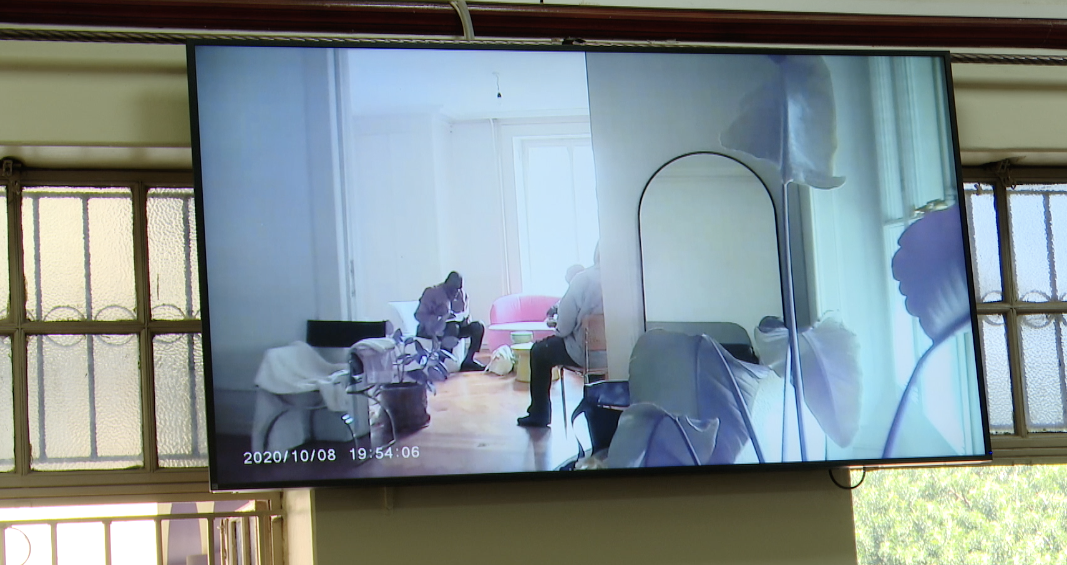
The prosecution in the high-profile treason case against veteran opposition figure Dr. Kizza Besigye took a decisive step forward this week, tabling what it describes as critical documentary evidence: the minutes of a meeting in which Besigye and his alleged co-conspirators are said to have mapped out a plan to forcibly remove Uganda’s long-serving president, Yoweri Museveni, from power.
The development has sent fresh shockwaves through Uganda’s already charged political atmosphere. For months, the case has gripped the country, with supporters of the accused insisting the charges are politically motivated, while state prosecutors maintain they have a watertight case built on concrete evidence.
What the Evidence Allegedly Shows
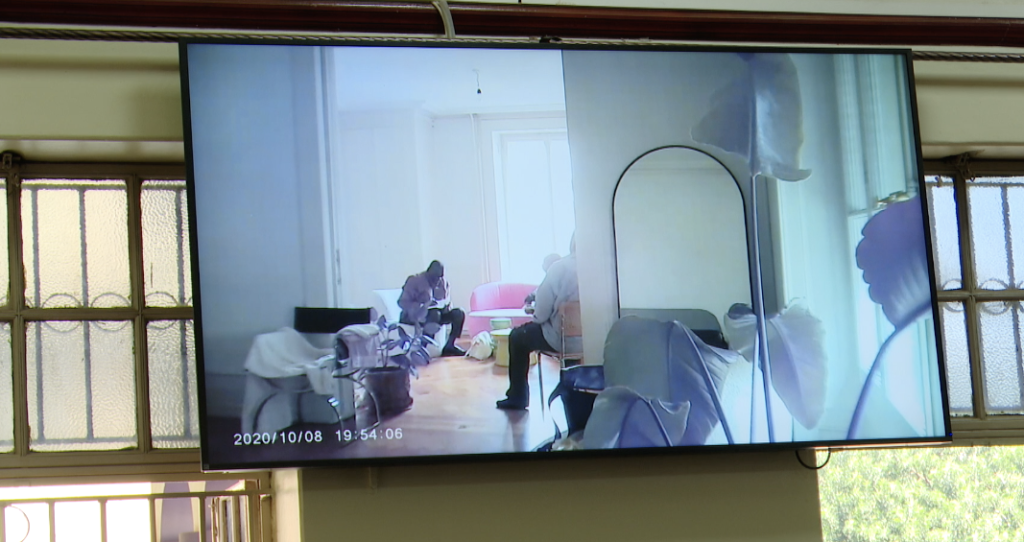
According to the prosecution, the documents brought before the court capture in detail how the accused discussed strategies for ousting the head of state. The minutes, which the defense will almost certainly contest, reportedly record a gathering at which Besigye and associates laid out what prosecutors characterise as an organised plot rather than loose political talk.
Central to the prosecution’s narrative is the claim that the plan involved recruiting foreign nationals, specifically described as white mercenaries, to carry out what would amount to an assassination or forced removal of Museveni. This particular detail has made the case far more explosive than a standard political dissent charge, elevating it into territory that the state argues constitutes a direct threat to national security.
You can follow the detailed court proceedings as reported in Luganda by NTV Uganda’s coverage of the Besigye trial, which has been tracking every session closely.
The Congo Angle
Perhaps one of the more striking elements of the prosecution’s account is the alleged escape route embedded in the plan. Prosecutors assert that after the operation, the conspirators intended to flee Uganda through the Democratic Republic of Congo. The use of a neighbouring country as an exit corridor suggests, at least according to the state’s version of events, that this was not an impulsive idea but a structured operation with logistics thought through in advance.
The Congo detail matters politically and legally. It introduces a cross-border dimension that could potentially draw in questions of regional security, making the case not just a domestic Ugandan affair but one with implications for how Uganda’s neighbours perceive stability along their shared borders.
Besigye: A Career Defined by Opposition
Dr. Kizza Besigye has spent decades as one of Uganda’s most prominent government critics. A former presidential candidate who ran multiple times against Museveni, he has been arrested, charged, and released on numerous occasions over the years, with his supporters consistently arguing that the state uses the legal system as a tool of political suppression.
This current case, however, is widely regarded as the most serious legal jeopardy Besigye has faced. Treason charges in Uganda carry the most severe consequences under law, and the prosecution’s decision to table physical documentary evidence, rather than relying solely on witness testimony, signals that the state believes it has built a more durable case this time around.
The Defense’s Position
While the defense team has not yet formally responded in detail to the newly tabled evidence, Besigye’s legal camp has consistently maintained that his detention and prosecution represent a political vendetta rather than genuine law enforcement. His lawyers are expected to challenge the authenticity and admissibility of the meeting minutes, a process that could drag proceedings out significantly.
Legal observers watching the case note that the credibility of the documentary evidence will hinge on how it was obtained, who authenticated it, and whether the chain of custody can be established cleanly in court. Any weaknesses there could give the defense strong grounds to have it thrown out before it even influences the judgment.
A Nation Watching and Waiting
For ordinary Ugandans, particularly those who have followed Besigye’s political journey since the late 1990s, this trial carries weight far beyond the courtroom. It sits at the intersection of questions about democratic space, freedom of political expression, and the boundaries between dissent and criminality.
Rights groups and press freedom advocates across the African continent have been vocal about their concerns, arguing that prosecuting opposition voices under treason charges creates a chilling effect on political participation. The Ugandan government, for its part, insists the case is not about political opinion but about an alleged criminal conspiracy that threatened lives.
Whatever the final verdict, the proceedings are already reshaping how Uganda’s political opposition calculates its next moves, and how the international community evaluates the state of democratic governance in Kampala.
As evidence continues to be presented and examined, one question lingers above all others: when the dust settles in that courtroom, will justice be seen to have been done, or will the verdict only deepen the fault lines that have defined Ugandan politics for a generation?