

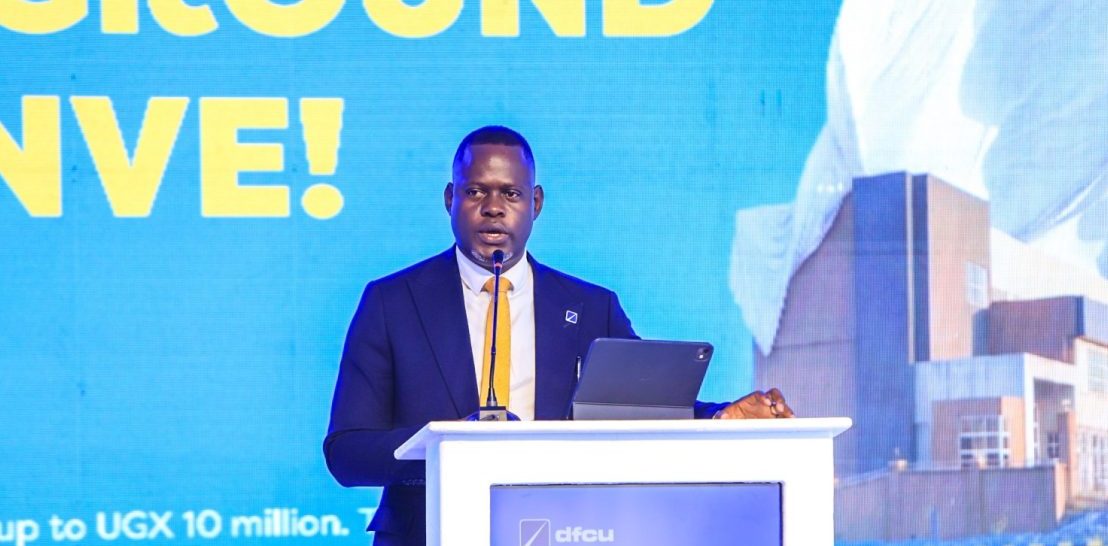
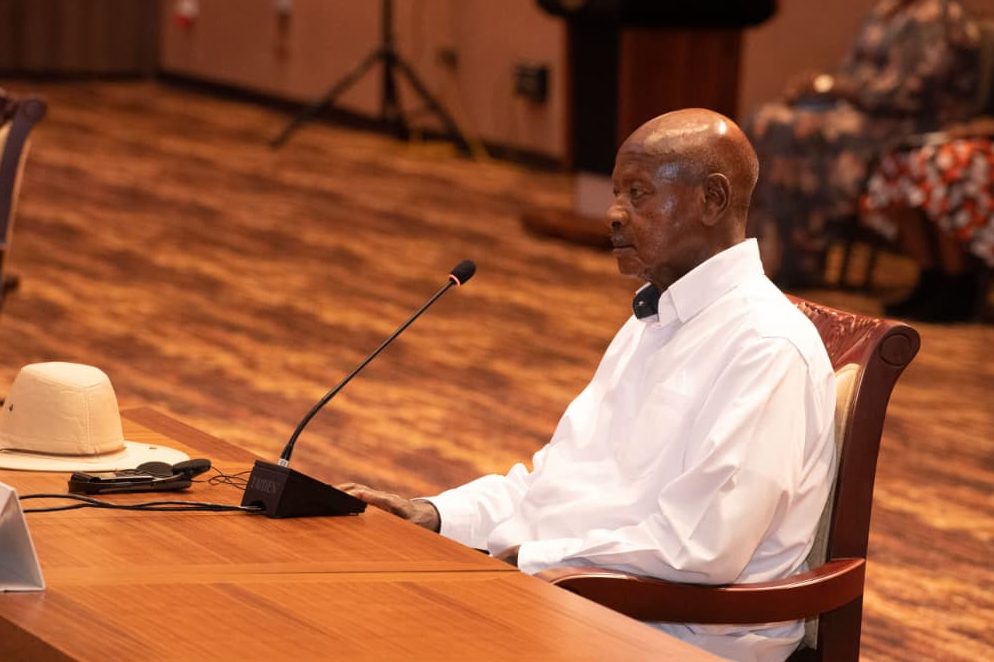

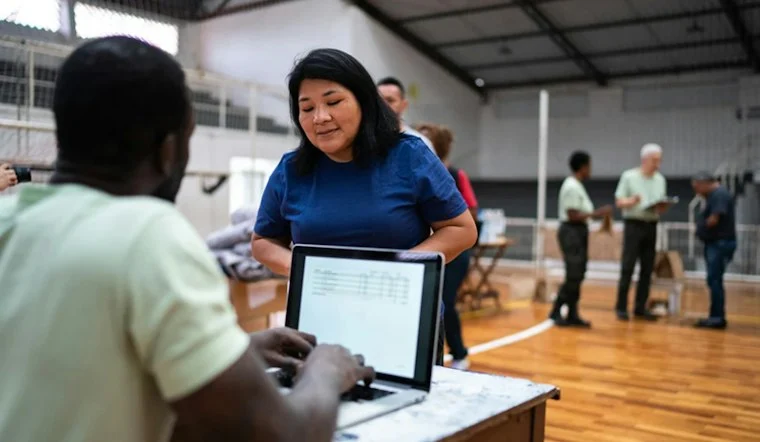


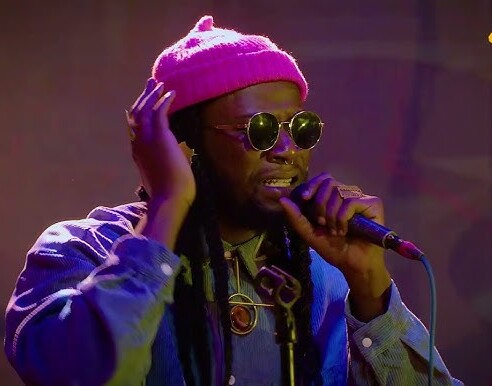
It is not a label dispute, a streaming slump, or a bad single that quietly kills momentum for Uganda’s music industry every few years. It is something far bigger and far more democratic: the general election. Swangz Avenue singer Elijah Kitaka stepped into that conversation this week, offering one of the more honest assessments of what election cycles actually do to the country’s creative economy.
Speaking candidly about the pressures artists face when the political temperature rises, Kitaka made it plain that the election period operates on a completely different logic from every other disruption a musician might prepare for. This is not a weather delay. It cannot be scheduled around. And according to Kitaka, that is precisely what makes it so difficult to navigate.
The Festive Season vs. Election Season: A Tale of Two Timelines
Uganda’s creative industry has, over the years, become reasonably good at reading the festive calendar. Artists know to drop music before December, promoters know to book venues for New Year’s weekend, and brands know to sign endorsement deals before October. The rhythm is predictable, and predictability is the lifeblood of good creative planning.
Election season operates on an entirely different frequency. As Kitaka explained in a recent interview, the unpredictable nature of the period makes it nearly impossible for artists to map out their projects the way they would for Christmas or Easter. You can know the festive season is coming. You cannot always know what an election season will look like, how long its shadow will stretch, or when the country’s attention will finally drift back toward entertainment.
His reasoning is disarmingly simple: elections concern everyone. Not just politicians, not just voters in any one region, but literally every person in the country. When something touches everyone simultaneously, it crowds out everything else. Music, film, art, events, they all get pushed to the margins, not out of malice, but out of sheer collective focus.
Why Releasing Music During an Election Year Is a Risky Gamble
One of the sharper points Kitaka raised is the challenge of releasing new music when the country is staring at a ballot. Any artist who has watched a carefully crafted single disappear into the noise of an election week understands the frustration. The streams don’t lie, the radio rotations thin out, and the cultural conversation shifts entirely to political developments.
It is not that people stop loving music during election season. It is that their emotional and mental bandwidth narrows. People are anxious, opinionated, and tuned into news cycles. A love ballad or a party anthem, no matter how well-produced, struggles to compete with the sheer drama of a national vote. The algorithm may still push your content, but the human on the other side of the screen has already decided what they are paying attention to.
This puts artists in a genuinely difficult position. Do you release music and hope it finds an audience despite the noise? Do you hold back and wait for the political dust to settle, risking the possibility that your moment has passed by the time the country exhales? There is no clean answer, which is exactly Kitaka’s point.
The Broader Cost to Uganda’s Creative Economy
Beyond individual artists, the ripple effect of election season on the creative industry is worth taking seriously. Live event promoters cancel shows or shift dates, fearing low turnouts or security concerns. Brands that typically invest in entertainment sponsorships redirect budgets toward political advertising or simply pull back entirely until the environment stabilises. Studios see bookings dip. Content creators find engagement rates dropping on work that has nothing to do with politics.
For an industry that is still fighting for formal recognition and sustainable revenue structures, these periodic shutdowns are not minor inconveniences. They represent real income losses for musicians, session players, sound engineers, photographers, makeup artists, and the dozens of other professionals whose livelihoods depend on the creative ecosystem functioning at full capacity.
Uganda’s music industry has grown significantly over the past decade, with artists like those on the Swangz Avenue roster building genuinely regional and continental profiles. But growth built on informal structures is vulnerable to disruption in ways that a more institutionally supported industry would not be. Election season exposes that vulnerability with brutal clarity.
Can Creatives Ever Truly Plan for It?
Kitaka’s honest answer is essentially: no, not really. And that honesty is worth sitting with. The instinct in any industry is to find a system, build a framework, and create a contingency plan. But some forces resist that kind of control. An election season in Uganda is one of them.
What artists can do, perhaps, is build financial buffers during strong periods, diversify their income streams so that a drop in one area does not collapse everything, and treat election seasons as a time for behind-the-scenes work, recording, writing, developing visuals, and preparing releases that can launch with full energy once the country’s attention returns.
There is also an argument that some creatives have found ways to lean into political periods rather than away from them. Music that speaks to the moment, art that captures public sentiment, content that reflects what people are actually feeling has historically found audiences even during turbulent political times. But that requires a specific kind of artist and a specific kind of content, and it is not a formula that works for everyone.
For most musicians, the honest reality is the one Kitaka described: everything pauses, and then, when it is over, the work of rebuilding momentum begins again from scratch.
So the question worth leaving with Uganda’s creative community is this: beyond surviving election season, what structural changes would actually protect artists from having their careers reset every election cycle?