











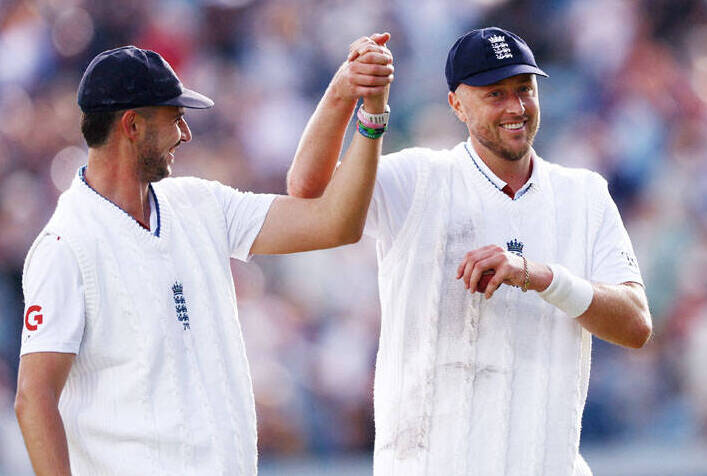
Day Two of the Test match at Headingley turned ugly for England in the space of a few uncomfortable overs, as Pakistan’s bowlers found their rhythm and England’s decision-making in the field came back to haunt them in the cruelest possible way. With their review options already squandered on poor calls, the hosts had no recourse when Jordan Cox and Joe Root both departed in quick succession, leaving the dressing room to watch helplessly as the situation unravelled.

How England Burned Their Reviews
The Decision Review System exists precisely for moments of doubt, those split-second decisions where a batsman or captain believes the on-field umpire has got it wrong. England, however, managed to exhaust their reviews at the worst possible time. The calls that burned through their safety net were, by most assessments, optimistic at best. When a team loses their DRS lifelines to speculative challenges, the psychological cost can be just as damaging as the tactical one. You are left naked in the field, hoping the umpires are having a sharp afternoon.
Cricket at Test level punishes hesitation and rewards clarity. Using reviews on borderline shouts, especially when the batting lineup still has key names at the crease, is a gamble that rarely pays off. England found that out the hard way on the second day at Headingley, a ground that has witnessed its share of dramatic collapses and stunning recoveries over the years.
Pakistan Strike When It Matters Most
Pakistan’s bowlers seized the moment with the kind of focused aggression that better teams produce when they sense blood. The back-to-back dismissals of Jordan Cox and Joe Root were not accidents. They were the product of disciplined bowling lines and a batting side caught in a difficult position without the protection the review system ordinarily provides.
Cox’s exit was a blow to England’s middle-order stability, but it was the loss of Root that really shifted the mood. Root, one of the most prolific run-scorers in the history of the game, is rarely the man you want to see walking back to the pavilion when the pressure is building. His departure compounded the damage from Cox’s wicket and left England’s innings at a genuinely precarious point.
As the BBC’s live coverage captured, the mood around Headingley shifted noticeably with those two wickets falling so close together. The home crowd, which had arrived hoping for a positive second day, suddenly found itself watching a familiar English anxiety take hold.
The Review Debate That Never Goes Away
Every Test series seems to produce at least one passage of play where a team’s review strategy becomes the talking point of the coverage. England have had their share of these conversations over the years. There is always a question about whether captains should be more conservative with challenges, or whether the nature of Test cricket demands bold calls in the moment.
What is clear is that once those reviews are gone, the entire dynamic of managing a batting or bowling session changes. Umpires remain excellent, but they are human. Without the ability to challenge a decision, teams simply have to absorb whatever comes their way and move on. That is precisely the bind England found themselves in during this stretch of play at Headingley.
What This Means for England’s Position
Losing Cox and Root in the same passage of play is not automatically a catastrophe, but context matters enormously in Test cricket. The speed of the collapse, combined with the absence of reviews, created a situation where England’s remaining batters had to navigate a dangerous spell without any of the usual support mechanisms the modern game offers.
Pakistan, for their part, bowled with intelligence and patience. The wickets reflected a team that had assessed the conditions at Headingley and adjusted accordingly. Their pace attack in particular has shown throughout this series that they can be genuinely threatening on English pitches when the conditions are helpful and the momentum is with them.
The Bigger Picture at Headingley
Test cricket at Headingley has a long tradition of dramatic shifts. Matches at this ground have a way of turning on small moments, a dropped catch here, a review poorly used there, and suddenly the entire narrative of a game changes direction. The events of Day Two fit neatly into that tradition.
England will need their remaining batters to dig in, construct a competitive total, and give their bowlers something meaningful to defend. The task is achievable, but it requires concentration, composure, and the kind of partnership-building that becomes harder when the top of the order has already crumbled.
Pakistan, sensing an opportunity, will look to press their advantage without overreaching. The balance of the match still has room to swing, but the hosts are carrying the weight of their own decisions alongside the pressure Pakistan’s bowlers have applied so effectively.
With the match hanging in this kind of delicate balance, one question remains for England fans: can the remaining batting lineup steady the ship and restore confidence, or will this passage of play define the entire Test? Drop your thoughts below and tell us who you think holds the upper hand heading into the rest of Day Two.