










When the rains come hard in Uganda, they do not politely wait for anyone to finish cooking. The downpours that sweep across the countryside can last for days, soaking the ground, flooding paths, and turning a simple trip to the forest for firewood into a mission that even the most determined grandmother cannot complete. And yet, somehow, the food still gets cooked.
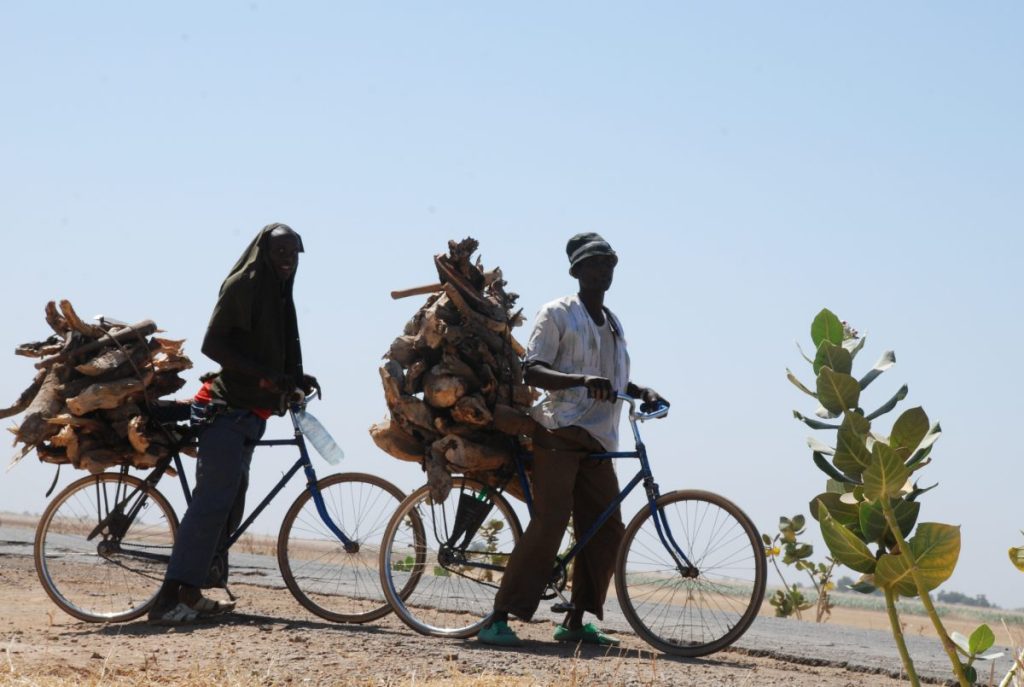
For years, heavy and prolonged rainfall has kept elderly women away from the forests and woodlands where they would normally gather dry firewood. The wet season does not forgive, and wet wood does not burn, at least not easily. This combination has historically created real hardship in households that depend entirely on wood fuel for their daily cooking.
A Solution Built Into the Kitchen Itself
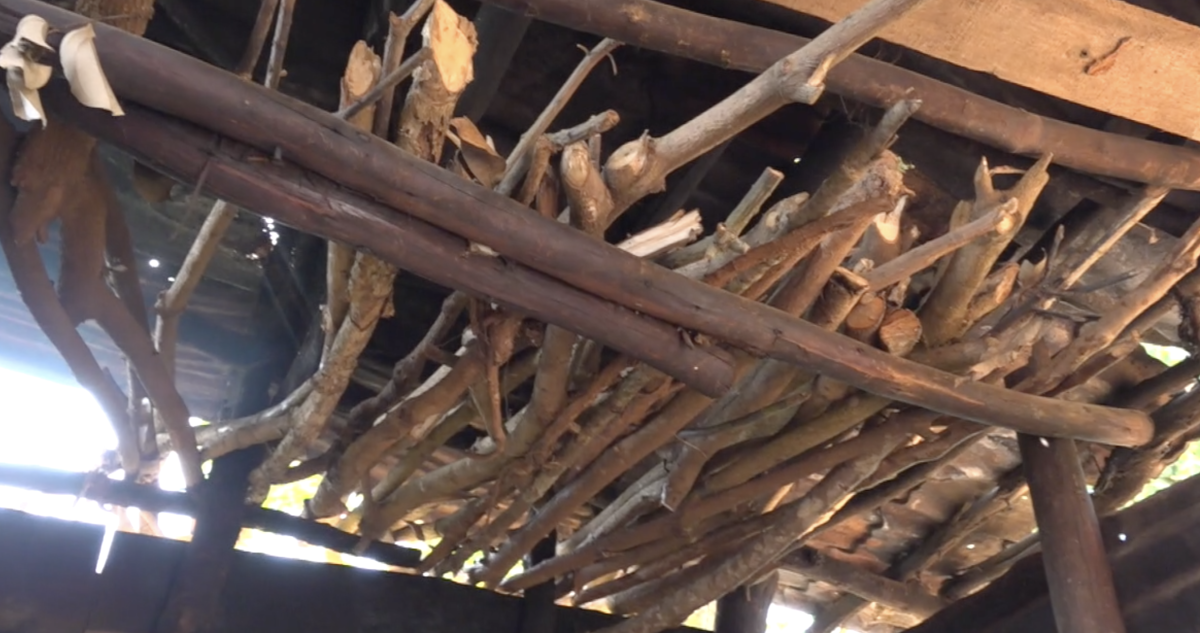
Here is where the old knowledge becomes quietly brilliant. Rather than surrendering to the rain, these grandmothers found a way to fight back using nothing more than green, freshly cut wood and the heat already present inside their own kitchens. As NTV Uganda reports, the technique involves stacking freshly cut green wood inside the cooking area, allowing the residual heat from cooking fires to slowly draw out moisture from the wood over time.
The concept is straightforward. A cooking fire generates significant heat, and much of that heat rises and spreads through the kitchen space. By positioning green or wet wood near the fire but not directly in the flames, the wood gradually loses its moisture content. Day after day, the heat does its quiet work. What was once a soggy, unburnable log becomes reliable, dry fuel ready for the next fire.
On top of that, the technique also involves collecting the juice or sap that seeps out of the wood as it dries, layering in another practical benefit from a process that might otherwise seem purely functional.
Why This Matters Beyond the Kitchen
It would be easy to dismiss this as a minor domestic detail, a small trick passed between generations in village kitchens. But the implications run deeper than that. Wood fuel remains the primary source of cooking energy for the vast majority of rural Ugandan households. When access to dry firewood is disrupted, it is not just inconvenient. It directly affects whether families eat hot meals, whether food is prepared safely, and whether children go to school fed and ready to learn.
The burden of firewood collection falls disproportionately on women and older members of the household. When heavy rains make forest entry impossible, it is these individuals who absorb the consequences first. A technique that removes the dependence on being able to gather dry wood at precisely the right moment gives those same people a measure of control back over their own kitchens and their own schedules.
Green Wood and the Science Behind Drying
Green wood, meaning wood recently cut from a living tree, can contain moisture levels anywhere from 50 to over 100 percent of the wood’s dry weight. Burning such wood is not just inefficient, it produces far more smoke, generates less heat, and wastes more energy than seasoned or dried wood. The kitchen drying method addresses this directly by using a heat source that already exists, requiring no additional resources, no technology, and no cost.
Traditional knowledge systems across Africa have long understood how to manage natural materials in ways that modern engineering sometimes rediscovers centuries later. The principle of passive drying using ambient heat is applied today in industrial timber processing. The fact that rural Ugandan grandmothers have been running their own version of that process for generations, without manuals or machinery, says something worth paying attention to.
Rain as a Teacher, Not Just an Obstacle
There is something worth sitting with in this story. The rains that blocked access to the forest did not stop these women from cooking. They adapted. They looked at what they had, the kitchen, the fire, the green wood, and they built a system out of scarcity. That instinct, to find the resources already around you and put them to work, is one that even the most technology-forward households in the world occasionally need reminding of.
The firewood drying method used in Ugandan kitchens is not glamorous. It does not come with an app or a certification. But it works, it has worked for a long time, and it continues to keep meals warm even when the sky decides to pour for days on end.
As conversations around clean cooking energy, sustainable fuel use, and food security grow louder across the African continent, perhaps the most honest starting point is acknowledging that some of the most effective solutions are already operating quietly inside the kitchens of the people most affected. The question is whether we are paying close enough attention to learn from them.
So here is the challenge: the next time someone talks about bringing innovation to rural cooking challenges in Uganda or anywhere else, ask first what the grandmothers already know. The answer might surprise you.