











She was the dancer everyone noticed. The one who matched Sheebah Karungi’s energy beat for beat, performance after performance. But Ritah Dancehall is no longer on that stage, and the reason is far more layered, and far more touching, than most fans assumed.
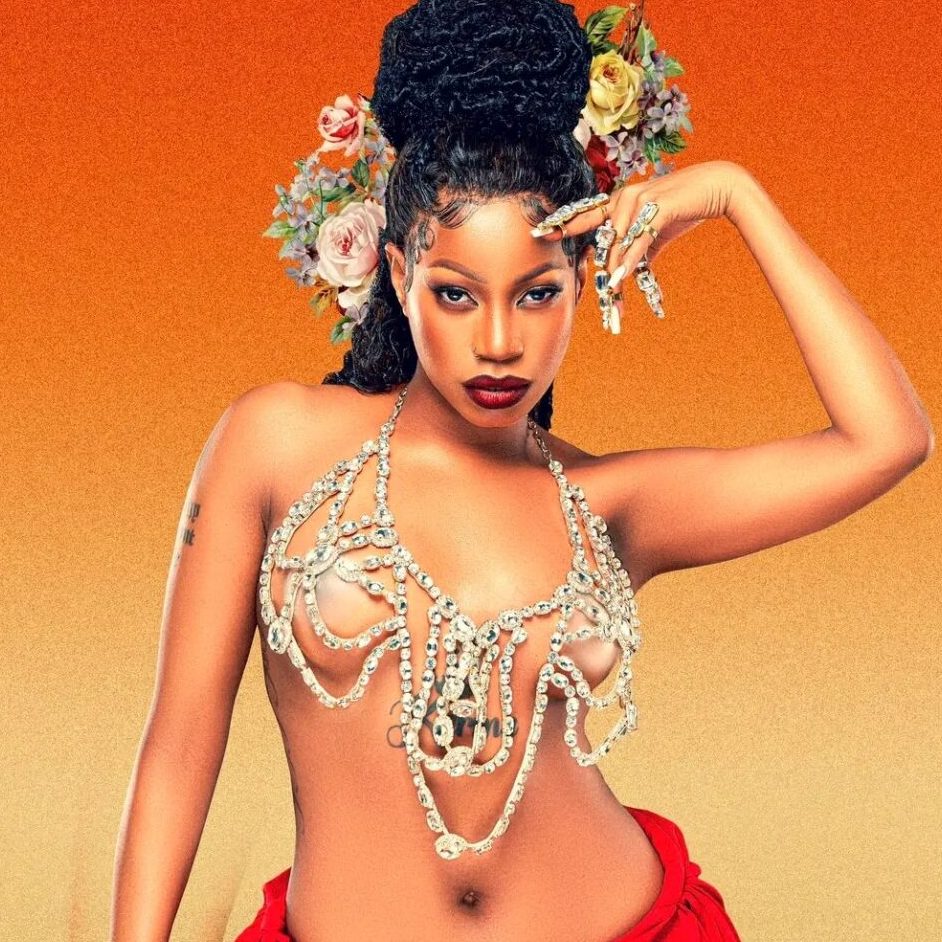
In a candid interview that has since caught fire online, Ritah opened up about the chapter she quietly closed: her time as Sheebah’s queen dancer. According to Ritah’s own account, the decision did not come from a falling-out or a dramatic backstage argument. It came from Sheebah herself, delivered as advice rooted in respect rather than rejection.
Sheebah’s Advice Changed Everything
Once Ritah launched her own singing career, Sheebah pulled her aside and had a direct conversation with her. The message was clear: people need to see you as a serious musician now, not as someone’s dancer. Sheebah reportedly told Ritah that continuing to appear as a background performer would blur the lines in the public eye and make it harder for audiences to take her seriously as an artist in her own right.
It is the kind of advice that speaks volumes about Sheebah’s understanding of the music industry. Image is everything in this game. The moment you become synonymous with someone else’s spotlight, carving out your own identity becomes an uphill task. Sheebah, who has built one of the most recognizable personal brands in East African entertainment, clearly understood this better than most.
A Decision Wrapped in Pain
What makes this story genuinely moving is that Ritah did not dance for Sheebah out of obligation or financial necessity. She danced because she loved it. That passion, she admitted, made the goodbye harder than anyone on the outside could have imagined.
There is something deeply human about that kind of sacrifice. Walking away from something you love because something you love even more requires your full attention, that is not a small thing. It demands a kind of emotional clarity that most people spend years trying to find.
Ritah described the separation as painful, which is an honest and refreshing thing to say publicly in an industry where artists often pretend transitions are seamless and easy. They rarely are.
The Bigger Picture: Artists Owning Their Narratives
Ritah’s story touches on a conversation that runs much deeper than one dancer stepping away from one performer’s crew. Across Africa’s entertainment landscape, there is a recurring tension between being a supporting act and becoming the main event. Background artists, dancers, session musicians, backing vocalists, many of them carry extraordinary talent that goes unrecognized simply because they are always standing slightly to the left of the star.
The transition from supporter to headliner is rarely clean. It requires rebranding, resilience, and often a mentor willing to push you out of the comfort zone you both built together. In this case, Sheebah played that mentor role with what sounds like genuine generosity of spirit.
Uganda’s music scene has grown into one of the most dynamic in the region, producing artists who compete not just locally but across the continent. For new voices to break through, they need space, their own space. Ritah appears to understand that now.
What Comes Next for Ritah Dancehall
The details of Ritah’s musical direction remain something audiences are still discovering. But what is already clear is that she enters this next phase with two powerful assets: years of performance experience on some of Uganda’s biggest stages, and the blessing of the very artist she spent that time serving.
That is not nothing. Most artists would trade significantly for either one of those things. Ritah has both.
Her dance background is also not a liability to shake off. If anything, it is a foundation. Artists who understand rhythm, stagecraft, and how an audience responds to movement carry a performance intelligence that pure studio artists sometimes lack. The question is whether Ritah can translate that physical fluency into sonic storytelling, and whether the Ugandan public, who have watched her move, will now stop to listen.
Loyalty, Growth, and Letting Go
There is a lesson woven into this story that extends well beyond Uganda’s entertainment industry. Loyalty does not always mean staying. Sometimes the most loyal thing a mentor can do is tell you that your time in their orbit has served its purpose, and that the world is waiting to see what you do on your own terms.
Sheebah gave Ritah that nudge. Ritah had the courage to take it, even when it hurt.
In an age where public feuds and messy separations dominate entertainment headlines, this quiet, respectful exit is almost radical. Two women, one established and one rising, handling a professional transition with maturity and mutual respect. It should not feel rare. But it does.
As Ritah Dancehall steps further into the spotlight she is now building for herself, one question lingers for fans and industry watchers alike: will the world that fell in love with her dancing be ready to fall in love with her voice?