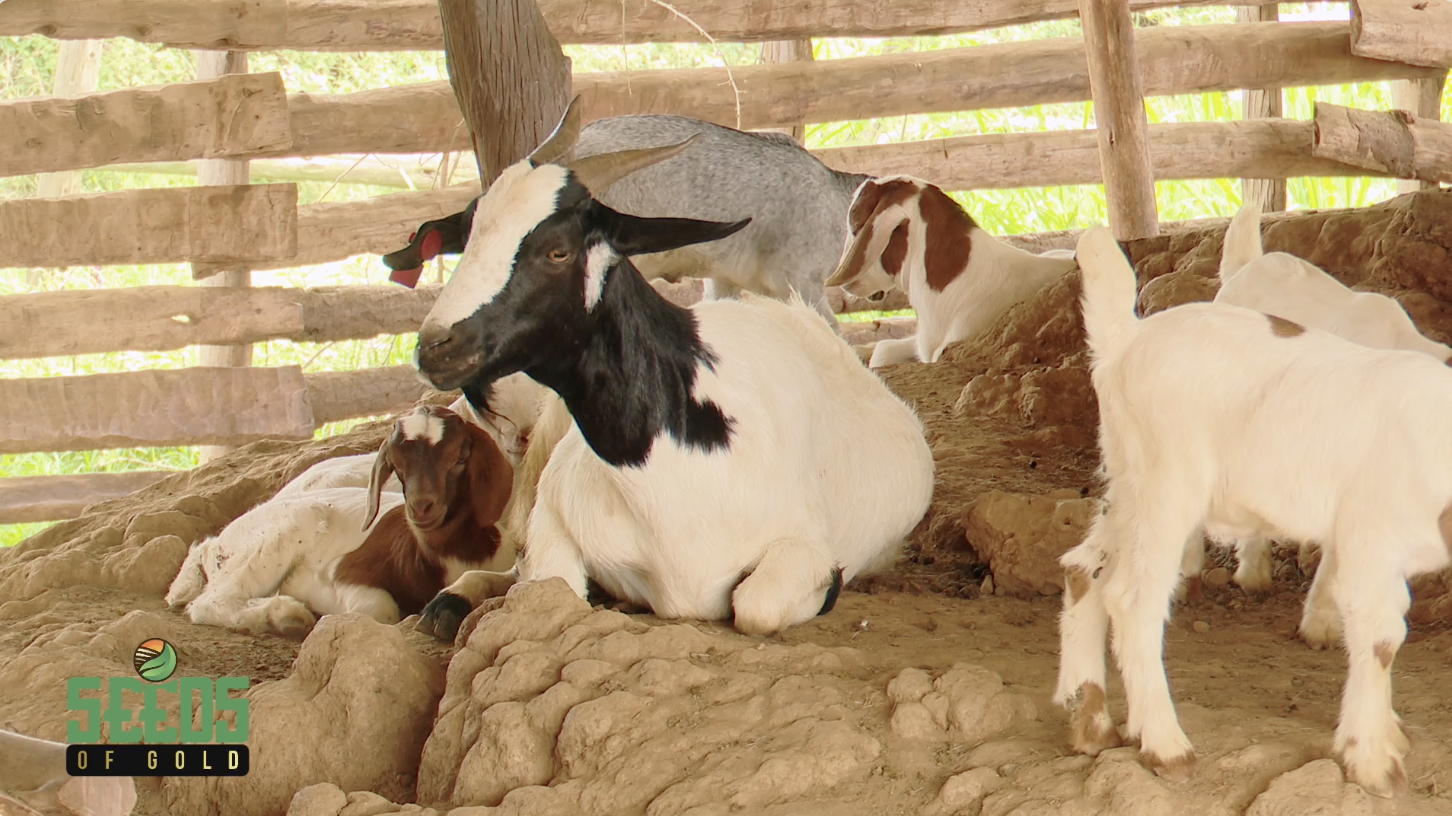
Across Uganda’s farming communities, a quiet shift is happening. Goats, long kept as a supplementary source of income or slaughtered for celebrations, are now being viewed with fresh commercial eyes. Farmers who once treated their herds as living savings accounts are waking up to the fact that with the right approach, those animals can generate steady, meaningful income year-round. The question is no longer whether goat farming can be profitable, it’s how to get there without burning through your resources before you see a return.
Why Goats, and Why Now?
Goats are, in many ways, the ideal livestock for small and medium-scale farmers in Uganda. They require less land than cattle, reproduce relatively quickly, and are generally more resilient in harsher conditions. The market for goat meat, known locally as chevon, remains strong across Uganda’s towns and cities, and demand tends to hold firm even during economic slowdowns. That combination of low overhead and reliable demand is exactly the kind of math that makes agricultural investors pay attention.
But there’s a catch. Many farmers in Uganda have been keeping goats for generations without extracting the full financial value the animals can offer. The difference between a herd that earns and one that merely survives usually comes down to decisions made before a single animal is purchased: breed selection, feeding systems, reproductive management, and an understanding of the broader market.
Breed Selection: The First Decision That Defines Everything
Not all goats are built the same, and choosing the wrong breed for your goals is one of the most common and costly mistakes new commercial farmers make. If meat production is the primary objective, breeds with fast growth rates and good muscle development are essential. If the plan involves dairy, entirely different genetics come into play. Some farmers aim for dual-purpose breeds, balancing both outputs, though this can sometimes mean excelling at neither.
Improving genetics through selective breeding or crossbreeding with higher-performing stock is a strategy that more progressive Ugandan farmers are adopting. The upfront investment in better breeding animals pays off over time through offspring that gain weight faster, reproduce more reliably, and generally demand better prices at market. As NTV Uganda’s Seeds of Gold has explored, this genetic improvement angle is one of the most practical levers farmers can pull to increase profitability without dramatically expanding their herd size.
Feeding Smart Without Feeding Expensive
Feed is typically the largest recurring cost in any livestock operation, and goat farming is no exception. The good news is that goats are browsers by nature, meaning they thrive on a wide variety of plant material, including shrubs, leaves, and crop residue that other livestock would ignore. A well-designed rotational grazing system can dramatically cut feed costs while keeping the animals healthy and gaining weight at a competitive rate.
Supplementary feeding, particularly during dry seasons or periods of rapid growth, can make a significant difference in how quickly animals reach market weight. Strategic use of locally available feed ingredients, rather than expensive commercial feeds, is an approach that experienced farmers in Uganda are increasingly refining. The goal is to keep the cost-per-kilogram of meat produced as low as possible while maintaining the quality the market expects.
Minerals and Health Management
One area often neglected by smaller operations is mineral supplementation and preventive health care. Goats deficient in key minerals grow slowly, reproduce inconsistently, and fall ill more frequently, all of which eat directly into profit margins. Simple interventions like mineral licks and scheduled deworming programs can have an outsized positive effect on herd productivity, yet they remain underutilized across many Ugandan farms.
Reproduction as a Revenue Strategy
In a goat operation, reproduction rates are profit rates. A doe that kids twice a year and raises healthy offspring represents far greater value than one that kids once and struggles to wean them. Managing reproduction deliberately, tracking cycles, ensuring proper nutrition around breeding and kidding, and separating bucks at the right times, turns what many farmers treat as a natural random event into a planned production cycle.
Farmers who get this right find that their herds grow faster, their supply to market becomes more consistent, and they can plan their cash flow with far greater confidence. Buyers, particularly those supplying urban butcheries and hotels, value reliable suppliers who can deliver quality animals on schedule. That reliability commands better prices.
Goat Farming’s Growing Role in Uganda’s Agricultural Economy
Zooming out from the individual farm level, goat farming’s contribution to Uganda’s broader agricultural economy is not insignificant. The sector provides livelihoods for hundreds of thousands of households, contributes to protein supply across the country, and has growing export potential to regional markets where demand for goat meat is substantial.
Government and development organizations have increasingly recognized livestock as a pathway for rural economic uplift, and goats, given their accessibility and relatively low entry costs, sit at the center of many of those programs. For a young farmer with limited capital, a small goat herd managed well can be the foundation of a growing agricultural business, one that can be scaled over time as knowledge and resources grow.
From Subsistence to Scale
The trajectory from keeping a handful of goats to running a commercially viable operation doesn’t happen overnight. It requires consistent record-keeping, an honest assessment of costs versus returns, and the willingness to treat the enterprise with the same seriousness as any other business. Successful commercial goat farmers in Uganda track birth rates, death rates, feed costs, and sale prices with discipline. They study what the market wants and position their product accordingly.
The knowledge gap is closing, though. Resources like agricultural extension services, farming cooperatives, and media programs dedicated to practical agricultural education are giving farmers across Uganda better tools to make informed decisions. The information is out there. The farms that will thrive over the next decade are those willing to use it.
So here’s the real question worth sitting with: if goat farming can generate serious income for Ugandan farmers who approach it strategically, what’s stopping more people from treating it as the legitimate business it clearly is? Is it access to capital, lack of technical knowledge, or simply a mindset shift that still needs to happen at scale? Share your thoughts below.