











Australia’s federal government is moving toward what could become two of the most significant digital safety interventions the country has ever attempted. On one front, officials are examining whether social media users should be able to opt in or opt out of the algorithmic systems that decide what content they see. On another, they are studying the United Kingdom’s recent decision to prohibit pornographic content depicting strangulation and suffocation, and weighing whether Australia should follow suit.
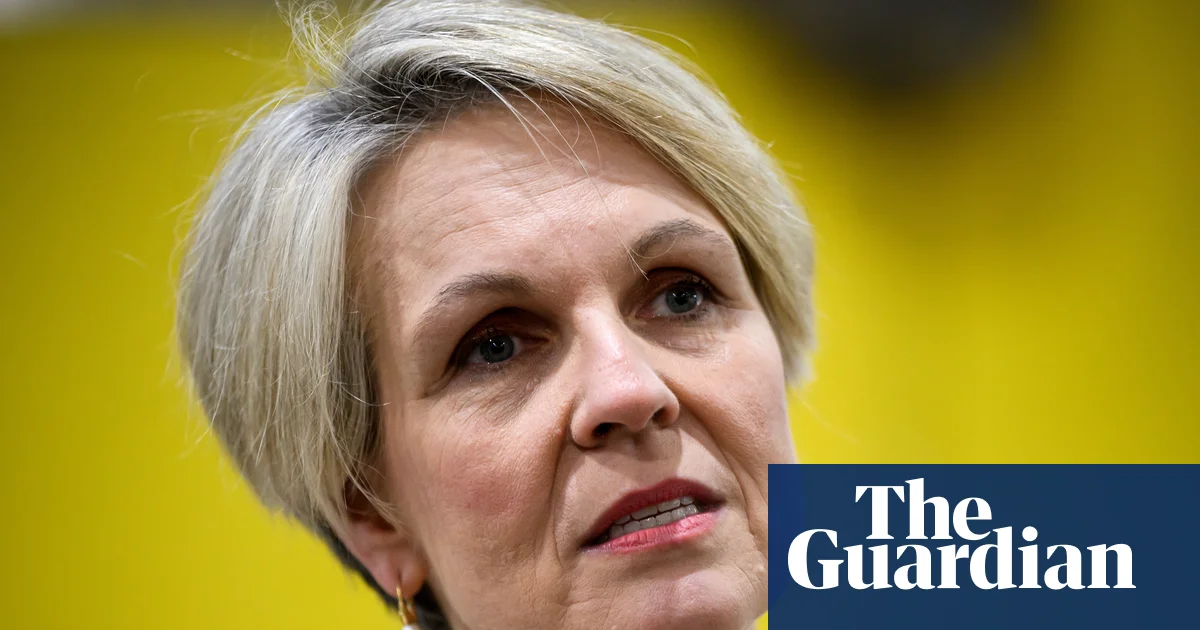
Social Services Minister Tanya Plibersek made the government’s position clear, saying that social media is “playing a huge role” in the rise of sexual violence among teenagers, including a troubling spike in choking incidents. Both policy options are being considered as part of Australia’s second action plan to end family and domestic violence against women and children.
This is not a niche debate confined to academic journals or parliamentary committees. It is a conversation about what kind of information environment young Australians grow up inside, and what responsibilities governments carry when that environment begins producing measurable harm.
The Algorithm Question: Who Controls What You See?
Social media algorithms are, at their core, engagement machines. They are designed by engineers whose performance metrics reward time-on-app above nearly everything else. The result is a feed that does not reflect a chronological or neutral slice of the internet. It reflects what the platform has learned will keep a particular user scrolling longest.
For many adults, that might mean a steady diet of cooking videos or sports highlights. For a curious, impressionable teenager, it can mean something far more troubling. Research from multiple countries has consistently shown that recommendation algorithms can funnel young users toward increasingly extreme content, including material that normalises violence in intimate relationships, at a pace that would not occur through organic browsing.
The opt-in or opt-out model being studied by Australian officials would give users genuine control over this process. Rather than being passively subjected to a platform’s engagement logic, a user could choose a chronological or curated feed instead. It is a relatively clean intervention from a technical standpoint, and it stops short of the far heavier regulation of content removal. As reporting from The Guardian confirms, this option is actively on the table as the government builds out its domestic violence action plan.
Critics of such measures often argue that algorithm transparency is the more productive path, or that education is a better tool than regulation. But the data emerging from Australian communities suggests the window for soft-touch approaches may already be closing.
The UK Pornography Ban: A Model or a Warning?
The United Kingdom moved to ban pornographic content depicting strangulation and suffocation as part of broader legislative efforts to address the relationship between violent sexual content and real-world harm. The ban reflected a growing consensus among researchers, law enforcement professionals, and domestic violence advocates that certain categories of legal pornography were contributing to attitudes and behaviours that endangered women.
Strangulation in intimate partner violence contexts is not merely dangerous. It is, according to medical and forensic experts, one of the strongest predictors of future lethal violence. When this act is packaged and distributed as entertainment, the concern among advocates is that it becomes normalised, particularly for young people whose understanding of intimacy is still being shaped.
Australia’s consideration of a similar ban is a direct acknowledgment of that concern. The fact that it is being developed within the framework of an action plan on domestic violence, rather than as a standalone content regulation measure, signals how the government views the connection between online content and physical harm in the home.
The Teenage Violence Link: What the Data Is Telling Us
Minister Plibersek’s comments are grounded in a trend that frontline workers across Australia have been flagging for years. Youth workers, school counsellors, and police have noted an increase in reports of sexual violence among young people, including incidents involving choking. Advocacy groups working with teenage survivors have pointed to the role of pornography in shaping expectations about what sex looks like and what is considered normal within it.
This is a genuinely complex problem. Young people are accessing explicit content at younger ages, often through smartphones and platforms that carry no age verification of any weight. The content they encounter is not subject to the same classification standards that govern films or broadcast television. And the algorithms that govern what they see next are optimised entirely for engagement, not wellbeing.
The result is a cohort of teenagers growing up with distorted reference points for intimacy, often before they have developed the critical framework to interrogate what they are watching.
Why the Second Action Plan Changes the Stakes
The fact that these digital policy options are being built into a domestic violence action plan rather than a standalone tech regulation package matters enormously. It frames algorithm control and pornography content standards not as abstract platform governance questions but as practical tools in the fight to protect women and children from physical violence.
That framing makes the political case more urgent and the coalition of support broader. Domestic violence prevention has broad-based public support in Australia. Attaching digital safety measures to that cause gives them a weight they might not carry if pitched purely as social media regulation.
It also changes the accountability conversation. If the government commits to these measures as part of a violence prevention strategy and then fails to follow through, it will face scrutiny not just from tech policy critics but from the considerably more vocal and organised domestic violence advocacy sector.
What Comes Next
Neither the algorithm opt-out mechanism nor the pornography ban is yet law. They remain under consideration as the second action plan takes shape. The government will need to navigate questions of platform compliance, enforcement, and constitutional scope before any of this moves from discussion to legislation.
Platforms operating in Australia have already faced significant regulatory pressure in recent years, including debates around age-appropriate design codes and social media access for minors. The appetite in Canberra for asserting greater regulatory authority over digital platforms is clearly not diminishing.
For parents, educators, and young Australians themselves, the question is not really whether government should act. It is whether the specific tools being proposed will actually shift outcomes in communities where the harm is already happening.
So here is the question worth sitting with: if you could choose whether an algorithm decides what your child sees online, would you want that choice, and why has it taken this long for governments to offer it?