







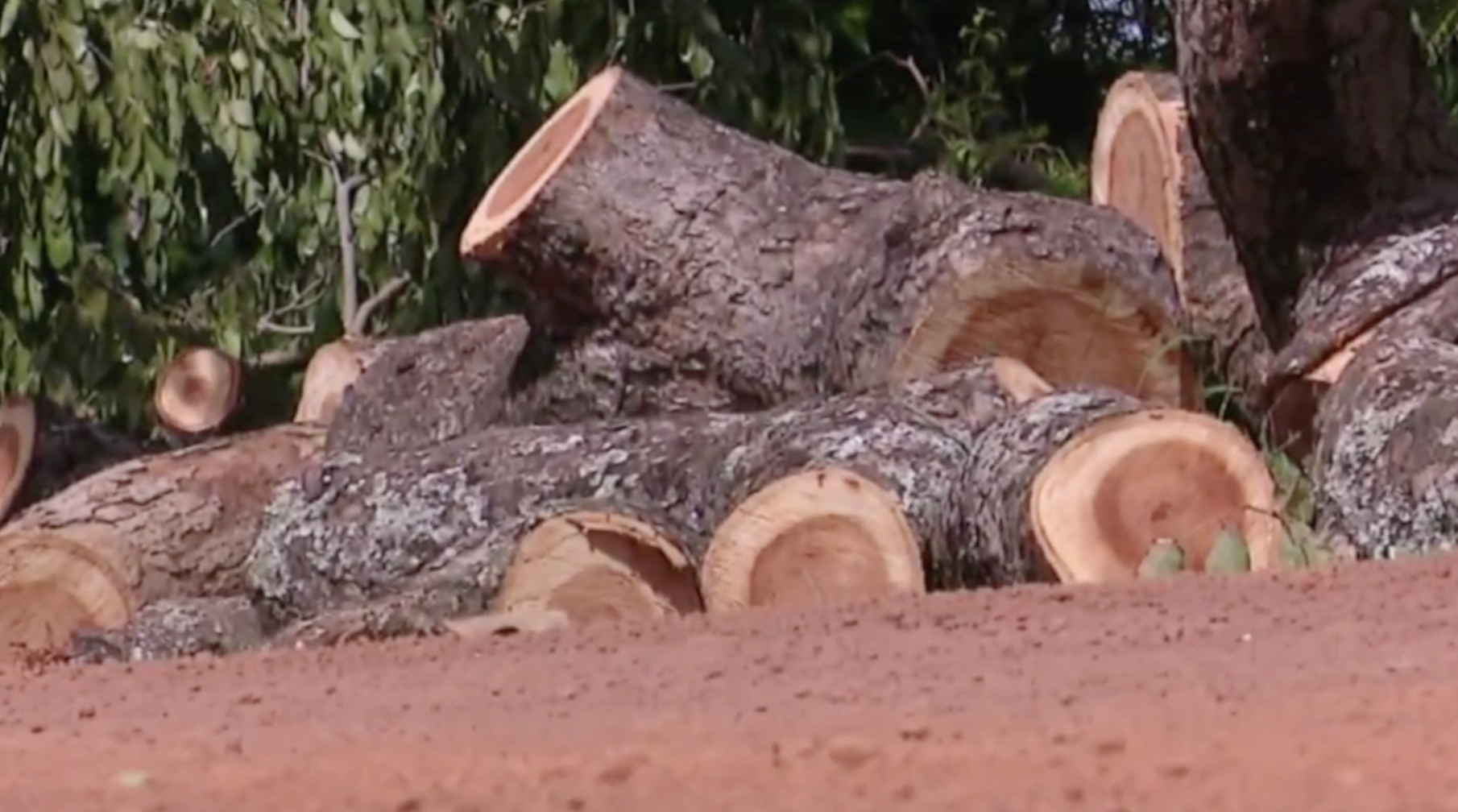
Uganda is sitting on a $2 billion natural resource industry, and yet most of the small businesses trying to build on that foundation cannot get a single shilling from a formal lender. The country’s forestry and wood sector, brimming with raw material and commercial possibility, remains one of the most underfunded corners of the Ugandan economy, not because the opportunity is small, but because the country’s financial institutions have largely decided the risk is not worth taking.
A Sector Rich in Promise, Poor in Capital
When you walk through Uganda’s timber markets or visit a furniture workshop on the outskirts of Kampala, the energy is unmistakable. Craftsmen are turning raw wood into chairs, tables, and cabinetry that supply homes, offices, and construction sites across the region. The raw material is there. The demand is there. What is missing is money.
Estimates put the total value of Uganda’s forestry and wood industry at $2 billion, a figure that reflects not just what the sector currently produces, but what it could produce if properly capitalised. That gap between current output and latent potential is precisely where the problem lives. Uganda’s forestry financing challenges have drawn fresh scrutiny as pressure mounts on banks to rethink their approach to the sector and start treating it less like a liability and more like an opportunity.
Why Banks Keep Saying No
To understand why the financing gap exists, you have to understand how banks assess risk. Forestry, by its very nature, operates on long cycles. Trees take years, sometimes decades, to mature. Cash flows are irregular. The collateral that small operators can offer, usually land with unclear tenure or standing timber that is difficult to value, does not fit neatly into the boxes commercial lenders prefer.
Then there is the issue of documentation. Many small-scale operators in Uganda’s wood sector run informal businesses. They lack audited financial statements, formal business registration, and the paper trail that banks use to evaluate creditworthiness. Without that paper trail, even a thriving timber trader looks, on a loan officer’s desk, like a ghost.
The result is a catch-22 that has frustrated sector players for years. Businesses need capital to invest in better harvesting equipment, processing machinery, and value-addition facilities. Without that investment, they stay small and informal. And because they stay small and informal, they cannot qualify for the loans that would allow them to grow.
Value Addition: The Missing Link
Perhaps the sharpest missed opportunity sits in value addition. Uganda exports a significant volume of raw or semi-processed timber, leaving the higher-margin work of turning that timber into finished furniture, flooring, or construction panels to buyers in other markets. That is money Uganda is effectively handing away.
If small and medium-sized processors had access to affordable credit, they could invest in the equipment needed to finish products locally. That would mean more jobs, higher export earnings, and a stronger domestic manufacturing base. The logic is straightforward. The financing to make it happen remains elusive.
What Unlocking the Sector Could Mean
The numbers, when you lay them out, make a compelling case for intervention. A $2 billion industry that is currently operating well below its potential represents an enormous volume of unrealised employment, tax revenue, and export income. Uganda’s population is young and growing fast. The demand for construction materials and furniture will only increase as urbanisation continues.
Unlocking forestry financing would not just benefit timber traders. It would send raw materials into furniture workshops, joinery businesses, and construction supply chains across the country. The ripple effects would reach communities that currently have limited economic options.
What Needs to Change
Solving this problem requires more than goodwill. Banks need better tools to evaluate forestry businesses, including sector-specific risk models that reflect the actual dynamics of timber production rather than applying frameworks designed for retail lending. Government-backed guarantee schemes, which reduce the downside risk for lenders, have worked in other markets and could work here.
At the same time, businesses in the sector need support to formalise. That means accessible business registration, land tenure clarity, and financial literacy programmes that help operators build the records banks require. Neither side can fix this alone.
There is also a role for development finance institutions and impact investors, who often have a higher tolerance for sector-specific risk and a longer investment horizon than commercial banks. Blended finance models, where development capital absorbs first losses and crowd in private lending, have been used to open up agricultural finance in Uganda and across Africa. Forestry could follow a similar path.
The Clock Is Ticking
Uganda’s forests are not an infinite resource. Without investment in sustainable forestry practices, replanting programmes, and proper management, the raw material base that underpins this sector will shrink over time. Getting financing right is not just an economic question. It is an environmental one too. Businesses that have access to capital can afford to invest in sustainable practices. Those scrambling to survive on thin margins tend to cut corners.
The window to get this right is open, but it will not stay open forever. A $2 billion sector generating a fraction of what it should is not just a business story. It is a story about what Uganda’s economy could look like if the right doors were unlocked at the right time.
So here is the question worth sitting with: if Uganda’s banks are waiting for the forestry sector to prove itself before lending, and the forestry sector cannot grow without lending, who blinks first?