



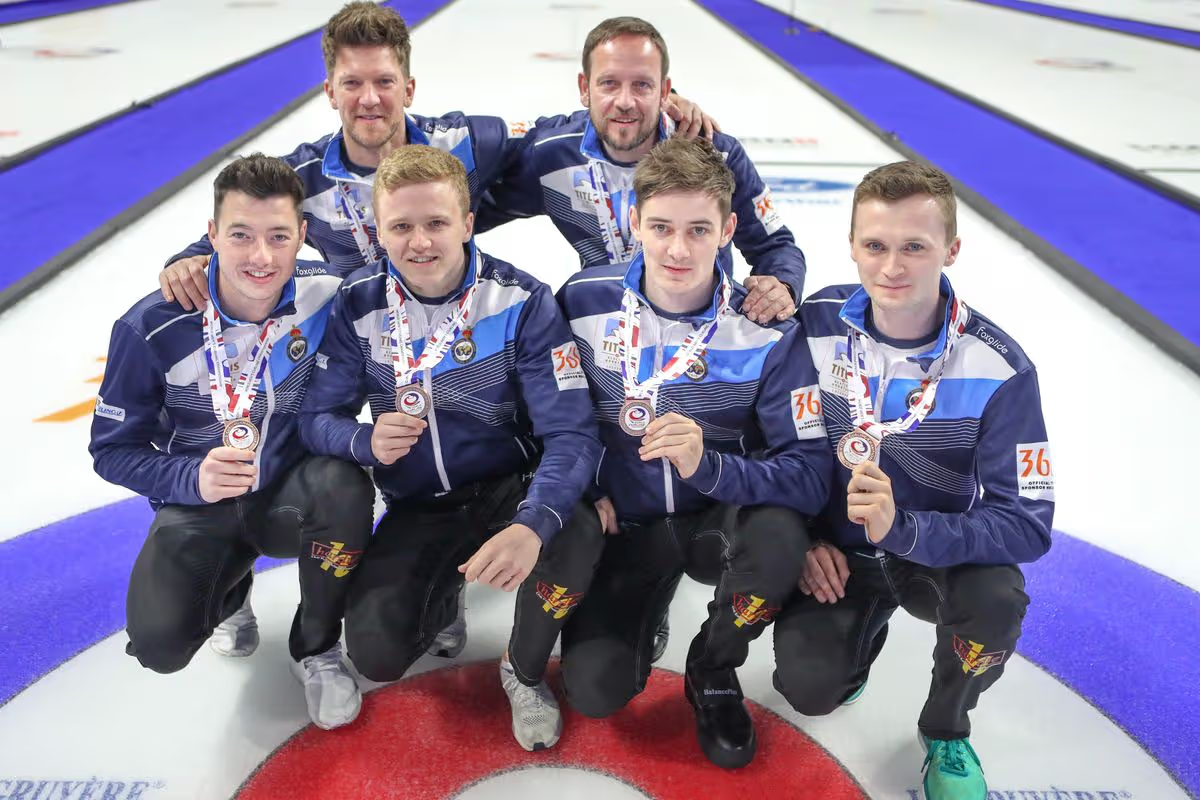
Scotland arrived in Ostrava with ambition, and on the opening day of the European Curling Championships, both the men’s and women’s rinks made their intentions clear. Grant Hardie’s men defeated the Netherlands 8-4, while Fay Henderson’s women dismantled Denmark 12-3 in a performance that barely resembled a contest. Two wins from two teams on the same afternoon is the kind of opening day a nation dreams of.
Hardie’s Men Take Control Early Against the Netherlands
The men’s match had the feel of a side that knew exactly what it wanted to do from the moment the first stone left a player’s hand. Scotland picked up two points at the opening end, a solid foundation that immediately put the Netherlands on the back foot. By the third end, they had added three more, building a commanding 5-1 lead that shifted all the psychological weight onto the Dutch side.
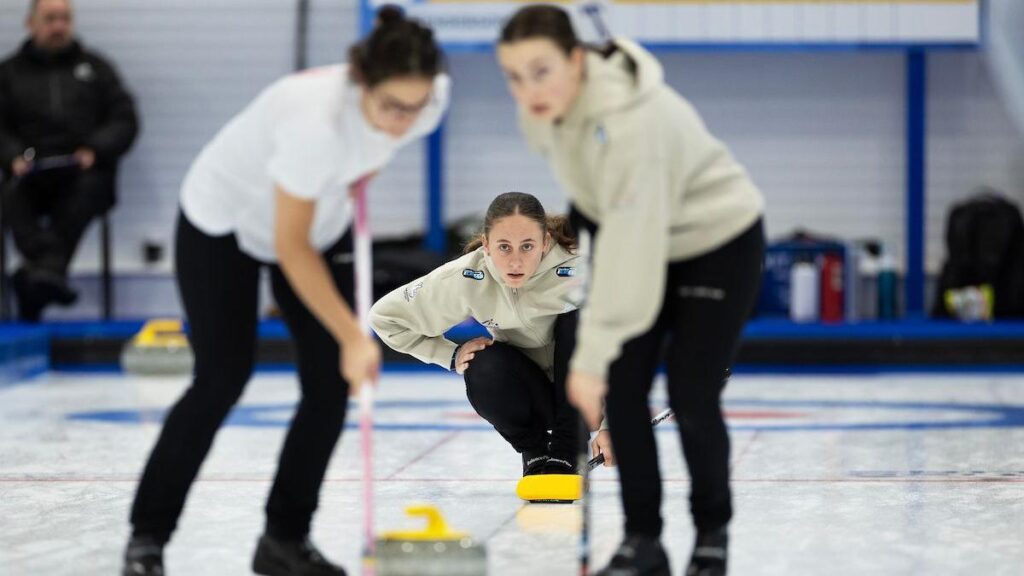
The Netherlands tried to claw their way back. By the sixth end, the scoreline stood at 6-4, and there was a brief window where the match felt like it could tighten up into something genuinely competitive. Scotland had other ideas. They closed the contest with a two-point haul in the seventh end, finishing 8-4 winners and leaving very little room for debate about who deserved to leave the ice with the points.
Hardie’s rink now faces Belgium later on Wednesday, and if the rhythm established against the Netherlands carries over, Belgium will need a sharp tactical performance to keep the Scots honest.
Henderson’s Women Turn It Into a Masterclass
If the men’s match was a confident statement, the women’s was closer to a lecture. Henderson’s Scotland side opened against Denmark in a game that started with a degree of back-and-forth before swinging so decisively in Scotland’s favour that the Danes had little answer.
The opening two ends were close, with Scotland edging each by a single point. Denmark responded by halving the deficit, keeping things relatively tight heading into the middle stretch. Then Scotland shifted gears entirely. By the close of the fourth end, they had surged into a five-point lead, the kind of gap that turns a competitive match into a damage-limitation exercise for the side trailing.
Denmark managed two points in the fifth, offering a brief flicker of relevance, but Scotland ended the match in spectacular fashion. A six-point haul in the sixth and final end sent the final score to 12-3 and left absolutely nothing ambiguous about who controlled the game from the midpoint onwards. It was a clinical, almost cold efficiency that any curling coach would want to frame and hang on a wall.
Henderson’s rink now turns its attention to Turkey, who will have watched Wednesday’s result and understand they face a side operating with real confidence and precision.
What These Results Mean for Scotland’s Championship Campaign
Opening day results at a major championship carry a particular kind of significance. They set tone, build momentum, and tell the rest of the field what kind of tournament a team intends to have. For Scotland, having both the men’s and women’s sides win on the same day sends a unified message: these are not teams that have come to Ostrava simply to participate.
The Czech Republic hosts a championship field full of experienced European curling nations, and the competition will sharpen considerably as the round-robin stages progress. But Scotland’s displays on day one suggest technical confidence and composure under the pressure of a major opening match, both of which are qualities that tend to hold up as the tournament gets more demanding.
Grant Hardie is a well-established figure in elite curling circles, and his rink’s ability to build a lead and defend it effectively against the Netherlands reflects a team that has prepared thoroughly. On the women’s side, Henderson’s ability to steer her rink from a narrow early-ends battle into a dominant one-sided finish speaks to exactly the kind of game management that wins championships.
The Road Ahead
For the men, Belgium arrives next as the immediate test. For the women, Turkey stands between them and a second consecutive win. Neither fixture looks like a simple formality, but if Wednesday is anything to go by, Scotland’s opponents will need to be at their very best to turn the tables.
The European Curling Championships are always fiercely competitive, and the field in Ostrava includes nations with deep curling pedigree and the tactical nous to exploit any drop in concentration. Scotland will know this. The first day is behind them and both results are in the bank. The real tournament is only just beginning.
With selected matches available to watch live through BBC iPlayer and the BBC Sport platform, fans back home have every reason to tune in and follow the campaign as it builds. Scottish curling has something worth watching in Ostrava this week.
Can Scotland’s men and women both maintain this level of performance and push all the way to medal contention? Drop your thoughts in the comments below.