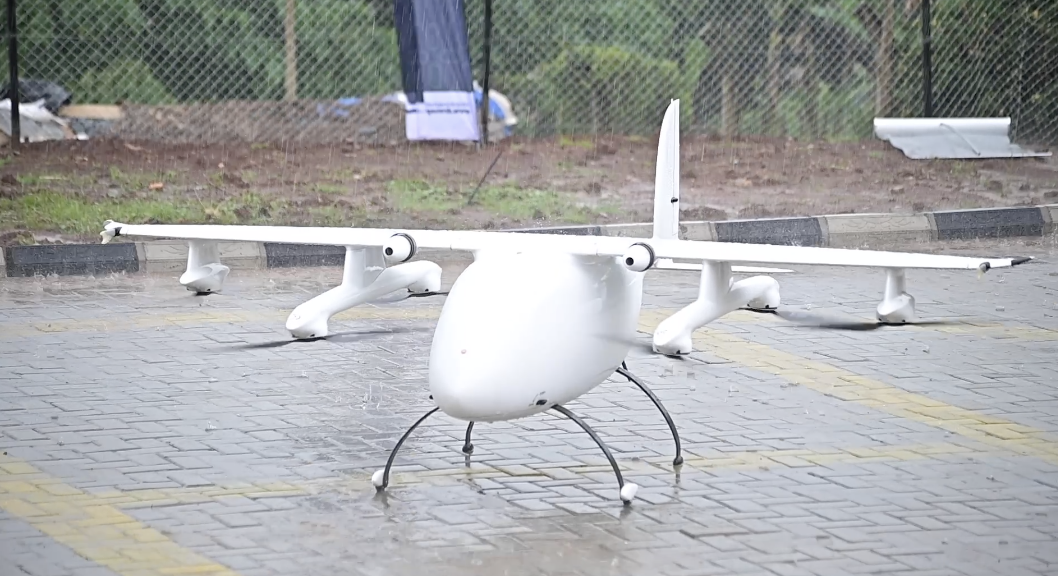
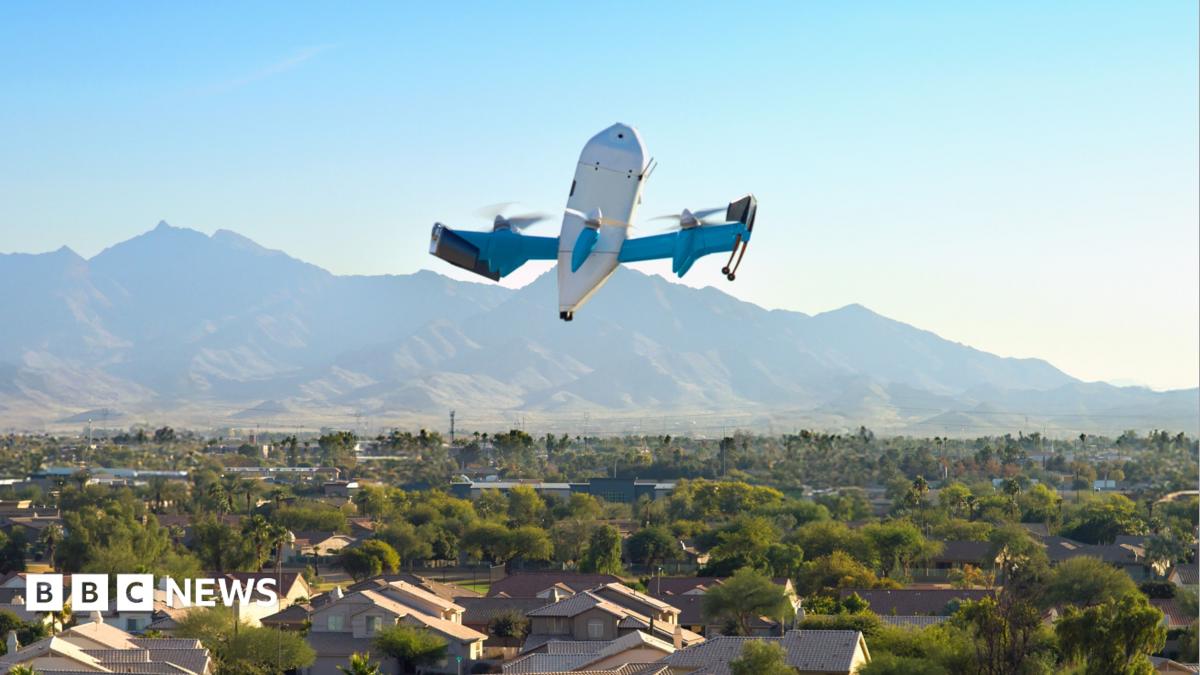



On the morning of October 28, 2026, a drone took off from Kampala on a mission that felt equal parts practical and profound. Its destination: Kalangala, the island district sitting in the middle of Lake Victoria, home to communities that have historically been among the hardest to reach with basic medical services. Uganda’s Ministry of Health had just officially launched its medical drone pilot project, and the flight to Kalangala was the opening act of what could become one of the country’s most significant public health shifts in years.
The Problem That Drones Are Being Asked to Solve
To understand why this pilot project matters, you have to understand what it has traditionally meant to be sick on an island. For residents of Lake Victoria’s scattered communities, getting a blood sample to a proper laboratory in Kampala has never been a simple affair. The journey involves boats, unpredictable weather on open water, road transfers, and time. Lots of time. In medicine, time is rarely a neutral variable. Delayed diagnoses mean delayed treatment. Delayed treatment means worse outcomes. Sometimes it means no outcome at all.

The same logic applies in reverse. Getting medical supplies, vaccines, or specialized medications from Kampala out to island health facilities has followed the same slow, expensive, and weather-dependent route. Health workers in places like Kalangala have had to plan around logistical realities that their counterparts in the capital rarely think about twice.
The Ministry’s move to test drone technology as a solution to this geography problem is not a random experiment. It is a calculated response to a documented gap, one that has existed for as long as Uganda’s island populations have needed healthcare.
What the Pilot Project Actually Does
The project operates on a two-way model that addresses both sides of the healthcare supply chain. Drones will carry laboratory samples collected from island communities back to Kampala, where they can be properly analyzed. Results can then inform treatment decisions far faster than the traditional route would allow. In the other direction, the drones will deliver medical supplies to health facilities on the islands, cutting out the slow and costly overland and overwater logistics that have defined island healthcare for decades.
The Ministry says the technology is expected to reduce both the time and the cost involved in these transfers. Both matter enormously. In cash-strapped public health systems, cost savings at the logistics level can free up resources for medicines, personnel, and equipment. And time savings, particularly around diagnostic turnaround, can be the difference between a treatable condition caught early and a crisis managed late.
Why Kalangala Was the Logical Starting Point
Kalangala is not just any island district. As the main urban center of the Ssese Islands archipelago, it sits far enough into Lake Victoria to make road access entirely impossible. Everything that moves between Kalangala and the mainland moves by water or by air. The district has a health infrastructure that serves a spread-out population across dozens of islands, many of which have limited connectivity to even Kalangala town itself.
Choosing Kalangala as the launch point for this pilot sends a clear signal about intent. This is not a test designed for convenience. It is designed for the hardest use case, the communities where the gap between need and access is widest. If the technology proves itself here, scaling it to other remote or island-adjacent districts becomes a far more straightforward argument to make.
Uganda Joins a Growing Global Movement
Uganda is not working in isolation on this. Medical drone delivery has been gaining serious traction across sub-Saharan Africa over the past several years. Rwanda launched one of the most cited examples of the model in 2016, using drone networks to deliver blood supplies and emergency medical products to rural hospitals. Ghana and Tanzania have followed with their own programs, each adapting the model to local geography and health priorities.
The evidence from these programs has been encouraging. Delivery times that previously stretched to hours or days have been cut to minutes in some cases. The ability to respond to emergency requests with near-instant logistics has changed how rural health facilities stock and request supplies. Uganda’s Ministry of Health has clearly studied this regional experience, and the Kampala-to-Kalangala route represents the country’s own step into that expanding story.
The Technology Behind the Flight
Medical drones used in these kinds of programs are purpose-built for reliability and precision rather than speed or spectacle. They typically carry insulated cargo compartments designed to maintain temperature ranges suitable for biological samples and pharmaceuticals. GPS-guided navigation and real-time monitoring allow operators to track deliveries and respond to any disruptions quickly. The routes are pre-mapped, and regulatory frameworks govern the airspace used, keeping the operations within controlled parameters.
For laboratory samples specifically, the handling requirements are strict. Samples must arrive at the receiving laboratory in a condition that allows accurate testing. Any degradation during transport compromises the result and defeats the purpose of the entire exercise. The fact that the Ministry is moving forward with this model suggests confidence that the technology meets those standards, at least at the pilot stage.
What Success Looks Like From Here
A pilot project is exactly that: a test. The Kampala-Kalangala route will generate data on delivery times, costs, sample integrity, and operational reliability. That data will shape decisions about whether to expand the program, which routes to add next, and what adjustments need to be made to the logistics or technology. Health authorities will also be watching how island health facilities integrate the new supply model into their day-to-day operations.
For patients in Kalangala and the surrounding islands, the most immediate potential benefit is faster diagnostic turnaround. If a sample can reach a Kampala lab in the time it takes a drone to fly rather than the time it takes a boat and a vehicle to travel, test results return sooner, and treatment decisions happen with less delay. That shift, quiet as it sounds on paper, could carry very real consequences for people whose health has long paid the price of geography.
Uganda’s healthcare system still faces significant structural pressures, from staffing shortages to underfunded facilities. But smart logistics can stretch the impact of existing resources further. A drone that costs less per delivery than a motorcycle courier and arrives faster than a ferry is not just a technology story. It is a resource story, and in public health, resources are always the conversation worth having.
The sky above Lake Victoria is now part of Uganda’s healthcare infrastructure. Whether this pilot becomes a permanent pillar of that system will depend on what the data shows and what the communities it serves actually experience. So here is the question worth sitting with: if drone technology can reliably bridge the gap between Kampala’s labs and Kalangala’s health workers, which Ugandan community should be next on the flight path?