
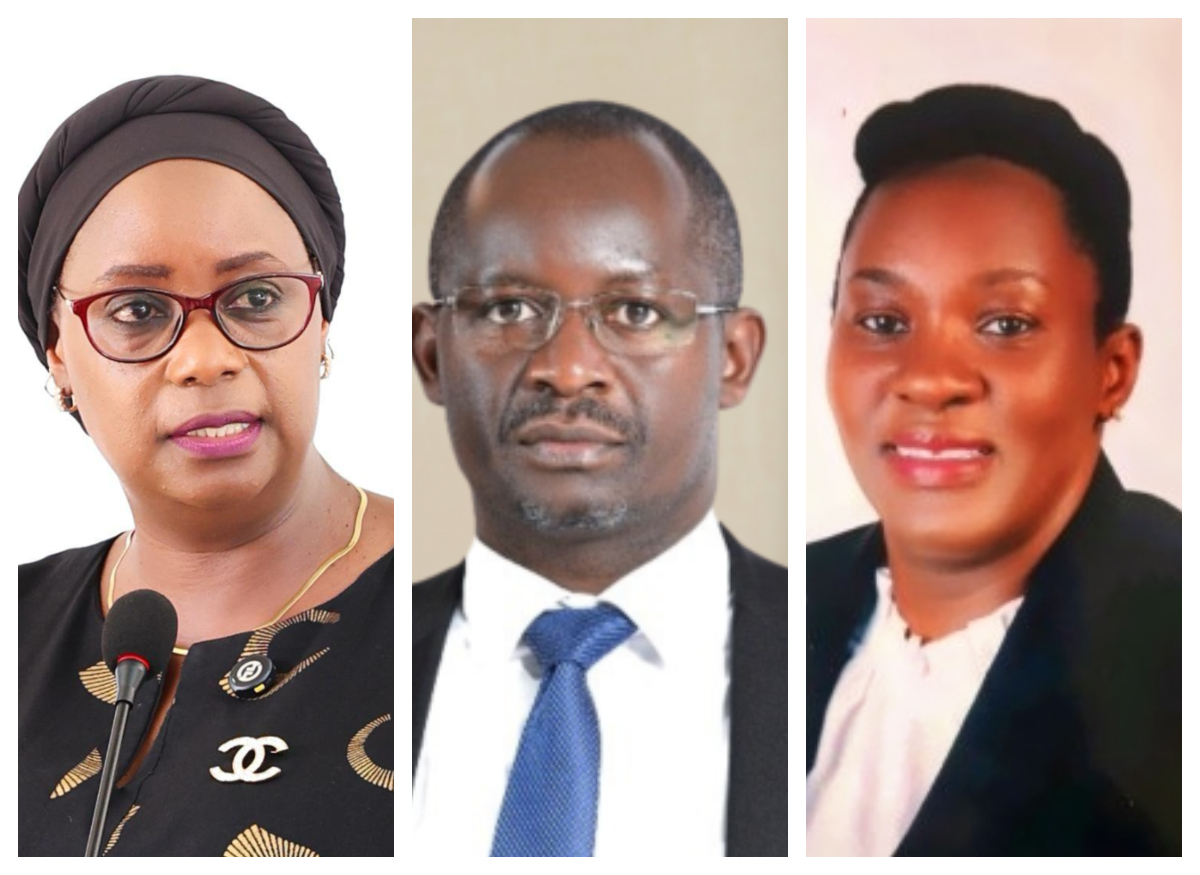
On the morning of Friday, October 23, 2026, two senior officials at the Uganda National Mining Company were supposed to be out. The Inspectorate of Government had spoken, loudly and in writing, ordering their immediate interdiction. Yet by mid-morning, sources close to the company confirmed what many suspected: Dr Gerald Banaga-Baingi, the company’s Chief Executive Officer, and Lelia K. Bwambale, the Chief Corporate and Legal Affairs Officer, were still very much present and in their roles.
The Order That Came With Teeth, Or Did It?
The Inspectorate of Government issued a press statement on October 22, 2026, directing the chairperson of the UNMC Board of Directors to immediately interdict both officials. The reason cited was a trifecta of serious allegations: financial mismanagement, maladministration, and abuse of office. These are not minor administrative complaints. These are the kind of allegations that, in any properly functioning public institution, trigger swift and decisive action.
The Inspectorate grounded its directive in solid constitutional and statutory authority. It referenced Article 230(2) of the Constitution of Uganda alongside Section 13(6) of the Inspectorate of Government Act, provisions that grant the Inspector General of Government the power to issue orders and directions necessary to the circumstances. The statement explicitly noted that allowing officials who are under investigation to continue exercising their authority risks compromising the integrity of that investigation. That is not a novel legal principle, it is governance 101.
According to Chimpreports, officials close to Banaga-Baingi said he had not yet received the interdiction orders by Friday morning. Whether that explanation holds water as a genuine procedural gap or functions as a convenient delay tactic is something only the board’s next moves will answer.
What the Board Is Required to Do
The Inspectorate’s directive placed the ball squarely in the court of UNMC’s Board of Directors. Beyond ordering the interdiction of the two officials, the watchdog also required the board to appoint interim replacements so that the company’s day-to-day operations remain uninterrupted. This is standard practice in such situations, the goal is never to cripple an institution, but to remove individuals from positions where they could potentially influence or obstruct an investigation.
The board’s silence, at least as of Friday, raises its own set of questions. Has it received the directive? Is it seeking legal advice before acting? Or is there an internal political dynamic at play that makes swift compliance uncomfortable? State-owned enterprises across Africa have a long and well-documented history of institutional inertia when powerful executives are in the crosshairs. Uganda is not immune to that pattern.
Why This Matters Beyond One Company
Uganda’s mining sector sits at a genuinely critical juncture. The country holds significant mineral wealth, and the Uganda National Mining Company was established as the state vehicle for capitalising on that potential. A company built on public trust and public resources must operate with a level of transparency that private firms are not always held to. When the body charged with fighting maladministration in public institutions issues an order and that order appears to go unheeded, the credibility of the entire oversight architecture takes a hit.
The Inspectorate of Government is not a toothless body. It operates under constitutional authority and has a mandate that Ugandans depend on to keep public servants accountable. But authority without enforcement is a performance rather than a system. If the UNMC board does not act promptly, the Inspectorate will face pressure to escalate, and the situation could quickly move from an administrative matter to something considerably more public and politically uncomfortable for all parties involved.
The Clock Is Ticking
Every hour that passes without the interdiction being implemented adds weight to the argument that compliance with oversight bodies in Uganda can be treated as optional, at least in the short term. That is a dangerous precedent. Investigations into financial mismanagement within state enterprises require urgency precisely because evidence can disappear, records can be altered, and narratives can be constructed. The Inspectorate understood this when it made the case for removing the two officials from office before the investigation concludes. The question now is whether the UNMC board understands it too.
For ordinary Ugandans who pay taxes and depend on public institutions to manage national resources responsibly, this standoff is not an abstract governance debate. It is a direct test of whether the systems designed to protect public interest are genuinely functional or merely decorative. The coming days at UNMC’s Kampala offices will say a great deal about the answer to that question.
As the board weighs its next steps and the Inspectorate monitors compliance, one question lingers over the entire episode: if the highest oversight body in the land issues an unambiguous directive and it can be quietly ignored for even 24 hours, what does that say about the real power structures governing Uganda’s public sector, and who ultimately decides when accountability actually begins?