


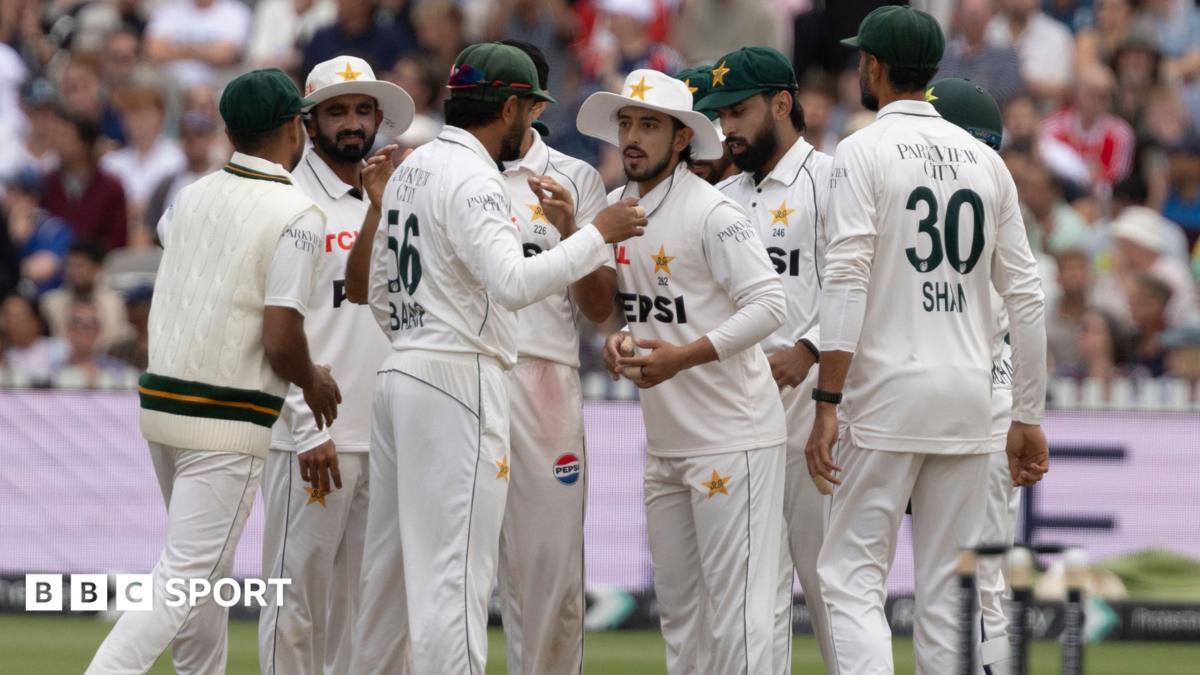
The Pakistan Cricket Board confirmed on Monday morning that it has opened a formal internal inquiry into “discipline and conduct” within the touring squad, a move that caps what has been an extraordinarily chaotic few weeks for a team already staring down a 2-0 series deficit against England ahead of the third and final Test at Edgbaston.
The PCB’s statement, terse but loaded with implication, offered few specifics. It acknowledged that the inquiry had been triggered by media reports concerning player behaviour and promised that “all concerned individuals” would be given due consideration under standard board procedures. What it could not do was mask the scale of the dysfunction that has played out, very publicly, on English soil.
How Things Fell Apart, and Fast
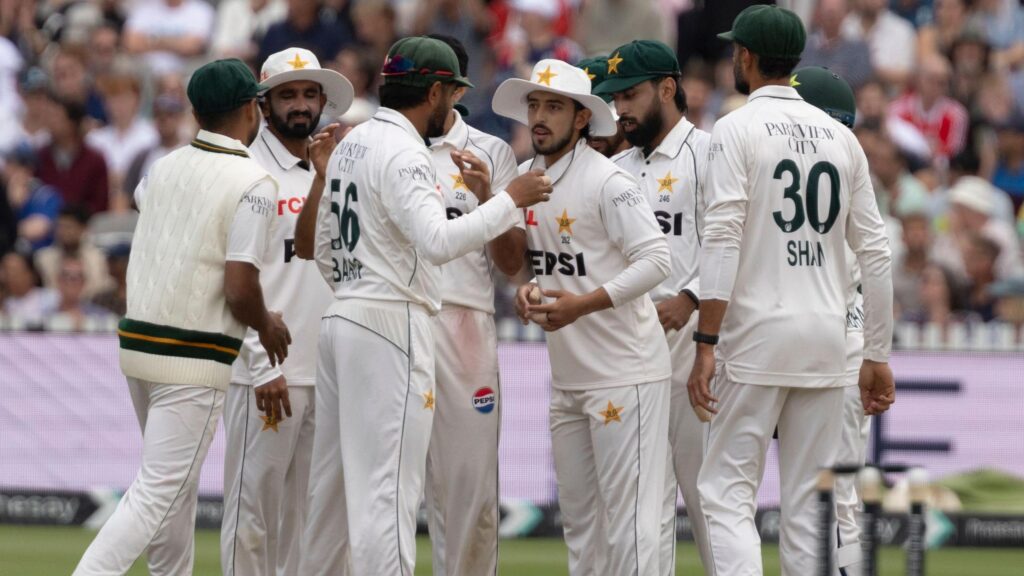
The warning signs were there from the start of the tour, but the week before the third Test brought events that would have seemed unthinkable at the beginning of the summer. Seven players were sent home. Seven replacements were called up. Head coach Sarfaraz Ahmed was removed from his position and replaced by New Zealander Mike Hesson, a well-regarded coaching figure who now inherits a squad in serious disarray.
The sheer speed of those changes would rattle any professional setup. In Test cricket, continuity and trust are not luxuries, they are the bedrock of competitive performance. Pakistan’s management essentially rebuilt the touring party mid-series, and did so while also managing a storm of off-field controversy that had nothing to do with batting averages or bowling line-ups.
The Imran Khan Interview That Almost Ended the Tour
During the second Test at Lord’s, the situation took a genuinely extraordinary turn. Pakistan’s management threatened to abandon the match entirely, and potentially the rest of the tour, after Sky broadcast an interview featuring the sons of imprisoned former Pakistan prime minister and cricket captain Imran Khan. The threat was ultimately not carried out, and the Test continued, but the fact that it was even made public speaks to the fragile, politically charged atmosphere surrounding this squad.
Cricket and politics have always overlapped in Pakistan, but rarely quite so visibly on foreign soil. The intervention of Imran Khan’s name into the touring narrative added a layer of sensitivity that no coaching staff could have fully anticipated or controlled. That the PCB’s statement specifically referenced “hostile external sources” as the origin of certain reports suggests the board is keenly aware that the story has extended far beyond the sport itself.
The Royal Snub and the Name Mix-Up That Wasn’t
Two further controversies, both refuted by Hesson, kept the headlines busy. Reports emerged that Salman Ali Agha, one of the seven players dropped and sent home, had refused to attend a meeting with King Charles at Clarence House. Hesson addressed the claim directly but did not fully extinguish the story’s momentum. Separately, suggestions circulated that the PCB had accidentally called up two players named Mohammad Imran and Mohammad Imran Jr. because administrators had confused their names. Hesson dismissed that one too, though the mere existence of the rumour says something about how ready people were to believe almost anything about this tour’s organisation.
As reported by the BBC, the PCB’s formal statement drew a clear line between what it considers verified internal matters and the wider noise coming from outside the organisation, urging observers not to treat unverified claims from certain platforms as credible.
What Hesson Inherits at Edgbaston
Mike Hesson is not a man who lacks experience in difficult cricketing environments. He built a strong reputation during his time with New Zealand, helping transform a side that punched well below its weight into a genuinely competitive Test nation. But walking into Pakistan’s setup at this precise moment is a different kind of challenge. He is managing a squad whose dynamics have been scrambled by a week of mass changes, in a country where every move is scrutinised through a political as well as a sporting lens, with an inquiry now running in the background.
The Edgbaston Test, which begins this week, offers Pakistan a chance to salvage at least a degree of pride. A 3-0 whitewash would be a punishing result by any measure, and for a board already in crisis-management mode, the optics of a clean sweep defeat would be brutal. But cricket, as Pakistan fans know better than most, has a habit of producing the unexpected.
A Board Under the Microscope
Beyond this tour, the broader question is what this episode reveals about the PCB’s structures and its ability to manage a high-profile overseas campaign. Sending home seven players mid-series is not a routine personnel decision. It signals either a profound breakdown in squad culture, a failure of selection and preparation before departure, or some combination of both. The disciplinary inquiry may answer some of those questions, but only if its findings are made transparent, which, given the board’s reference to handling matters through “standard procedures,” seems far from guaranteed.
Pakistan cricket has seen turbulent tours before. It has survived them and, often, come back stronger. But this one carries a particular weight, layered with politics, personnel chaos, and the kind of public airing of internal grievances that administrators everywhere dread. The inquiry is now open. What it uncovers, and what the PCB chooses to do with those findings, will shape the direction of the team for some time to come.
Whether Pakistan’s cricket establishment has the appetite for genuine accountability or whether this inquiry quietly disappears into the same procedural silence that has swallowed similar episodes in the past, that is the real question worth watching.