


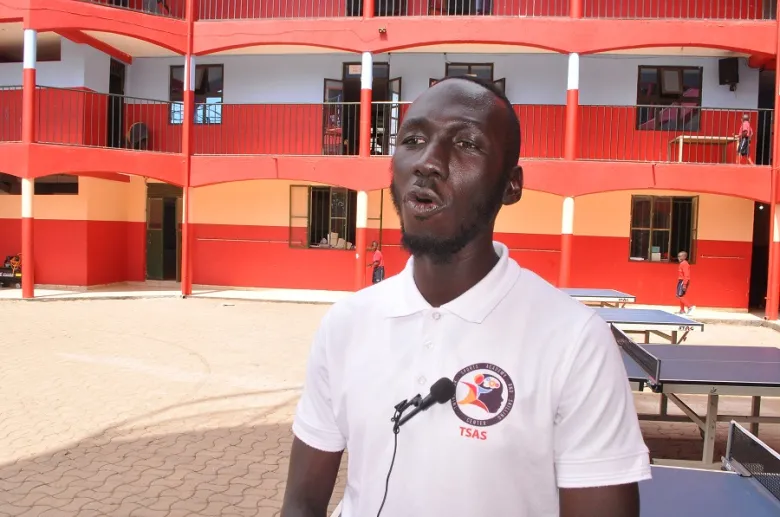
When the final whistle blew at Twinbrook Schools in Kiteezi on September 7, 2026, it was not just the end of a training session. It was the conclusion of a two-week holiday soccer academy that had pulled together young players from three different clubs, tested their abilities across age groups, and sent them home carrying something more durable than a trophy: a sense of what it actually takes to become a footballer.
The Twinbrook Holiday Soccer Academy brought together young talents from Gifted Stars, Peak Soccer Academy, and Matuuga Soccer Academy. The camp ran competitive activities across Under-8 and Under-10 categories, meaning some of these kids are barely old enough to tie their own boots yet are already learning the mental and physical discipline that professional football demands.
Where Three Academies Became One Team
There is something genuinely exciting about watching rival academies share the same training ground. In most cases, youth clubs operate in their own silos, developing players without much cross-pollination. The Twinbrook model flipped that script. By bringing Gifted Stars, Peak Soccer Academy, and Matuuga Soccer Academy under one roof for a fortnight, the camp created an environment where young players had to adapt, compete against unfamiliar faces, and learn from coaches and peers they would never ordinarily encounter.
That kind of exposure is invaluable at the Under-8 and Under-10 level. At that age, football is less about tactics and more about building a relationship with the ball, with teammates, and with pressure. Competing against players from different academies introduces a healthy challenge that routine club training simply cannot replicate. It plants the seed of competitive awareness early, without burning the enjoyment out of the game.
Brian Omony Steps In With Words That Land
The closing ceremony carried extra weight because of who showed up to address the young players. Brian Omony, a former Uganda Cranes star whose career gave him a front-row seat to what elite African football looks like, attended the event and spoke directly to the graduating campers. His message was sharp and practical: stay disciplined, stay focused, and never let football crowd out your education.
That last point deserves more attention than it usually gets. In Ugandan football, as in many parts of the continent, the dropout-to-dream pipeline is a real problem. Talented youngsters are sometimes encouraged to prioritize training over schoolwork from an early age, only to find themselves without either a professional contract or an academic foundation if things do not go according to plan. Omony’s push for balance reflects the kind of hard-won wisdom that only comes from having lived through the pressures of a football career.
For an eight-year-old watching a former national team player speak, that message hits differently than it would coming from a coach. There is authority in lived experience, and Omony brought that to Kiteezi without needing to dress it up in complicated language.
Why Grassroots Camps Like This One Matter More Than the Headlines Suggest
Uganda’s football infrastructure at the elite level gets most of the attention. National team results, Premier League club performances, and continental qualifying campaigns dominate sports coverage. But the real long game is being played in places like Kiteezi, where academies are quietly identifying and shaping the players who might one day wear the Cranes jersey.
Camps like the Twinbrook Holiday Soccer Academy serve several functions at once. They give young players structured training during school holidays when they might otherwise have no organized activity. They create a pipeline between smaller academies and a more competitive environment. And they give coaches the chance to spot raw talent that might not have surfaced within the confines of regular club sessions.
The Under-8 and Under-10 age groups are particularly critical. Research in youth sports development consistently points to these early years as the window when technical fundamentals are most naturally absorbed. A child who learns proper ball control, spatial awareness, and positional basics before the age of ten has a significantly stronger foundation than one who comes to structured coaching later. Twinbrook appears to understand that, and the two-week format gives enough time to actually embed new habits rather than just introduce them.
The Academies Behind the Players
Each of the three participating academies brings its own culture and coaching philosophy to the table. Gifted Stars, Peak Soccer Academy, and Matuuga Soccer Academy all operate within Uganda’s growing grassroots football ecosystem, and their willingness to send players to a shared camp signals a collaborative spirit that the sport needs more of. When academies compete fiercely for local talent but cooperate on development initiatives, everyone benefits, especially the kids.
What Comes Next for These Young Players
The camp may be over, but the work is just beginning for every child who participated. The real test of any holiday academy is not what happens in the closing ceremony. It is what happens three months later, when the novelty has worn off and the daily grind of balancing school, training, and everything else that fills a young person’s life kicks back in.
Brian Omony’s parting advice about discipline and academics is not just motivational talk. It is a roadmap. The players who internalize that balance, who treat their schoolwork with the same seriousness they bring to a penalty shootout, are the ones most likely to still be playing organized football five years from now. The ones who let either side of that equation slide tend to lose both.
Uganda’s football story is still being written, and somewhere in the group of Under-8 and Under-10 players who trained at Twinbrook Schools this holiday season, there might be a chapter worth watching. The scouts, coaches, and parents who invested time in this camp clearly believe so.
So here is the question worth sitting with: if two weeks at a holiday academy can plant this kind of seed in Uganda’s youngest footballers, what could a nationwide network of well-funded grassroots camps do for the country’s football future over the next decade?