







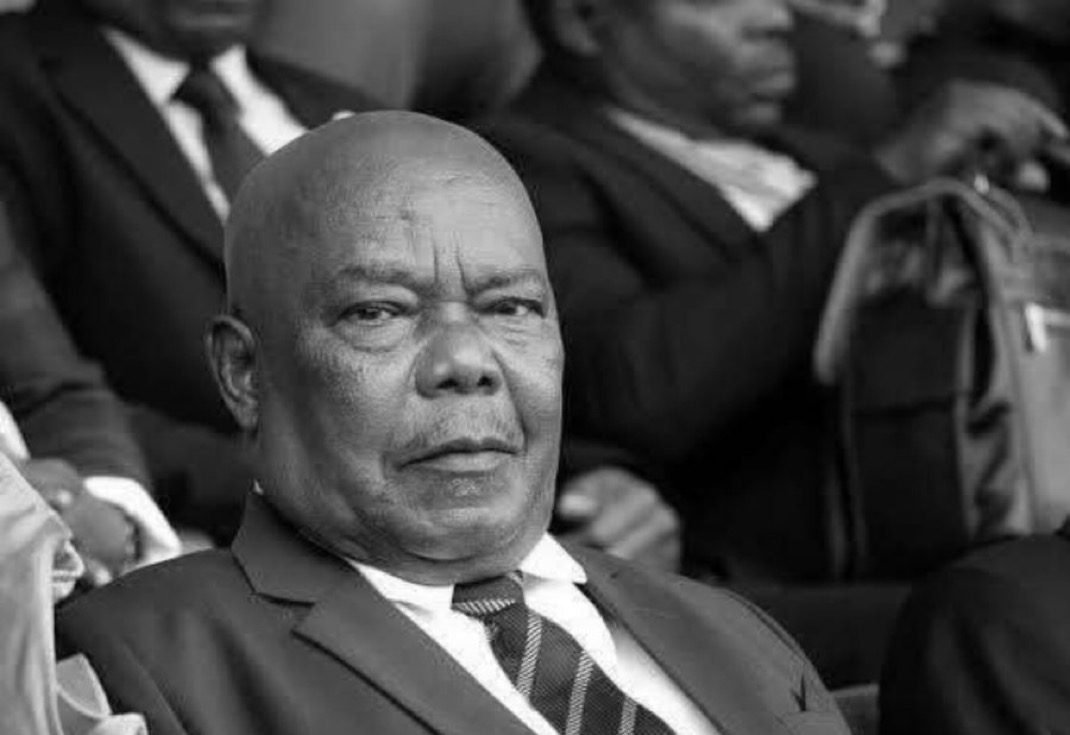
Hafidh Ameir Hassan, the husband of Tanzanian President Samia Suluhu Hassan, died on Monday morning, September 7, 2026, at the Emilio Mzena Memorial Hospital in Zanzibar, leaving behind a nation in mourning and a region united in grief. He was 08:00 local time when he drew his last breath, a detail that Tanzanian Vice President Deogratius Ndejembi confirmed in a formal announcement to the media shortly after the news broke.
A Scholar, a Partner, a Loss
Hafidh Ameir Hassan was no ordinary figure in the background of Tanzanian public life. An agricultural scholar by training and by passion, he represented a generation of East African intellectuals who devoted their careers to the land and the people who depend on it. He had been receiving treatment for a heart condition in the days leading up to his death, and despite the best efforts of medical staff, he did not recover.

For President Samia, the loss cuts on multiple levels. She has spent years at the summit of Tanzanian politics, first as Vice President and then, from April 2021, as the country’s first female head of state. Through all of it, Hassan stood beside her quietly, the kind of presence that steadies a person navigating extraordinary public pressure. As regional leaders noted in their condolence messages, Tanzania has lost a distinguished son.
Ruto Speaks From the Heart
Kenyan President William Ruto did not take long to respond. He said he received the news with “deep sorrow” and conveyed condolences on behalf of the Kenyan government, its people, the First Lady, and his own family. The words he chose were precise and warm in equal measure.
“President Samia has lost a lifelong companion, her children a beloved father, and Tanzania a distinguished son,” Ruto said, in a statement that captured both the personal and the national dimensions of the loss. He closed by affirming that Kenya stood firmly with Tanzania during this period of grief, asking for God’s comfort for President Samia, her family, and for eternal rest for the deceased.
The statement from Nairobi matters beyond its diplomatic courtesy. Kenya and Tanzania share one of the most active and consequential bilateral relationships on the continent, tied by geography, trade, tourism, and the infrastructure of the East African Community. When the Kenyan president speaks of standing with Tanzania, it carries real weight.
Ndayishimiye: Burundi Stands With Its Brothers and Sisters
From Bujumbura, Burundian President Evariste Ndayishimiye expressed what he called “profound sorrow” upon hearing the news. His condolences extended formally to President Samia, her family, and the broader Tanzanian nation, speaking not just for himself but on behalf of the Burundian government and its people.
“Burundi stands firmly beside our Tanzanian brothers and sisters,” Ndayishimiye said, words that reflect an East African solidarity that goes well beyond diplomatic protocol. He prayed that God would grant President Samia and her family comfort and strength during the mourning period, and that Hassan would be granted eternal rest.
Burundi and Tanzania share more than a border. The two countries have navigated complex histories together, including the movement of refugees across their shared frontier over decades. Their relationship within the East African Community framework is one of the region’s quieter but consistently important political partnerships.
What This Moment Reveals About East African Solidarity
The speed and sincerity of the responses from Nairobi and Bujumbura say something worth pausing on. East Africa has had its share of political tensions in recent years, with member states of the East African Community often finding themselves on different sides of trade disputes or security conversations. Yet when grief arrives, the region tends to pull together with a warmth that feels genuine rather than performative.
President Samia Suluhu Hassan is herself a figure of enormous significance in this region. As Tanzania’s first female president, she has navigated a path that required both resilience and political acuity from her earliest days in office. The loss of a life partner while holding the highest office in the country is a particular kind of burden, one that no protocol manual can fully prepare a person for.
Tanzania will observe the appropriate mourning formalities in the coming days, and the international community, particularly within Africa, is expected to continue offering its condolences. The Emilio Mzena Memorial Hospital in Zanzibar, where Hassan passed away, will likely become a place of quiet public reflection for Tanzanians who wish to honor the man behind the presidency.
A Region Bound by More Than Politics
What makes this outpouring of condolences meaningful is the context behind it. Kenya, Burundi, and Tanzania are not just neighbors on a map. They are partners in one of Africa’s most ambitious regional integration projects, connected by shared infrastructure, overlapping cultures, and millions of ordinary people who cross borders daily for work, family, and trade.
When leaders in this region speak of standing together, they draw on relationships built over years of summits, bilateral meetings, and the quiet diplomacy that happens off camera. President Samia has been an active participant in that diplomacy, and the responses from Ruto and Ndayishimiye reflect the respect she commands across the region’s political landscape.
Hafidh Ameir Hassan may not have held public office, but as the partner of a sitting head of state and a man who devoted his professional life to agriculture, he contributed to Tanzania in his own right. His passing closes a chapter not just for a family, but for a nation that watched its president carry both power and personal life with remarkable composure for years.
As Tanzania enters a period of national mourning, one question lingers for observers of East African politics: how does a sitting president, already carrying the weight of leading a nation, find the space to simply grieve as a human being? The region is watching, and it is watching with compassion.