









September 2026 is turning out to be one of the most consequential months in recent tech history, and it’s only just begun. On one side of the Atlantic, Cologne’s Gamescom delivered its annual spectacle for the world’s most passionate gaming community. On the other, a California-based aerospace company is quietly, methodically doing something that sounds almost too ambitious to be real: building a commercial replacement for the International Space Station before the ageing orbital outpost is decommissioned. BBC’s Tech Now, with reporting from Laura Cress and Lily Jamali, brought both stories into sharp focus this week, and together they paint a vivid picture of where human ingenuity is headed.
Gamescom 2026: The World’s Biggest Gaming Show Didn’t Disappoint
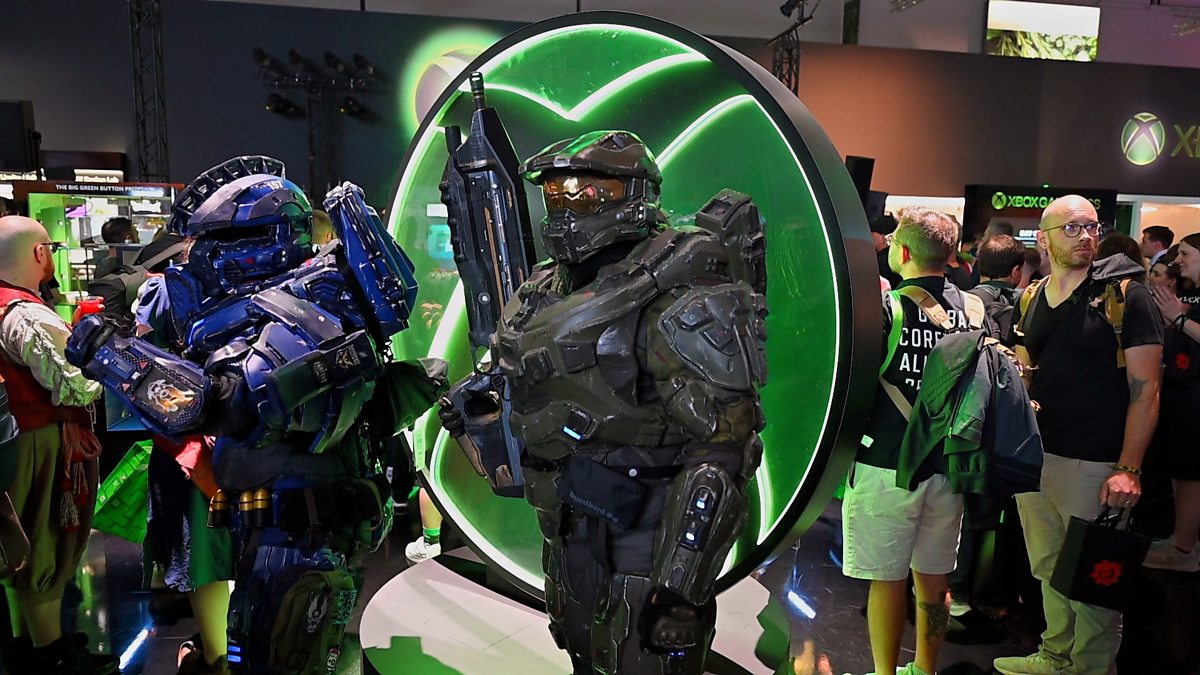
Gamescom has always been more than a trade show. It’s a cultural event, a pilgrimage for millions of gamers, and a barometer for where the industry is heading. This year’s edition in Cologne was no different. Reporter Laura Cress walked the packed halls and brought back highlights that reminded the world why this convention holds its “world’s biggest” title with genuine authority.
The sheer scale of Gamescom is difficult to overstate. Developers from every corner of the globe converge here to unveil new titles, show off hardware, and read the room on what players actually want. Unlike the more industry-facing events that have largely retreated behind closed doors in recent years, Gamescom remains defiantly open to the public, which gives it an energy that’s almost impossible to replicate. The crowd reactions you get on that floor are raw, immediate, and honest.
What Cress captured this year goes beyond the usual catalogue of trailers and release dates. The convention reflected a gaming industry at a genuine inflection point, wrestling with questions about artificial intelligence in game development, the continued rise of cloud gaming, and what the next generation of immersive experiences will look like. Players are more informed and more demanding than ever, and the studios that packed Gamescom’s halls know it.
Why Gamescom Still Matters in 2026
There’s a persistent conversation in tech media about whether large physical conventions still serve a purpose in a world where announcements can reach billions of people instantly through social media. Gamescom answers that question every single year simply by existing and thriving. The human connection, the ability to actually hold a controller and feel a game rather than watch a polished trailer, remains irreplaceable. That tactile, communal experience is something no livestream has managed to replicate.
For smaller independent developers, a Gamescom floor presence can be the difference between obscurity and a global audience. The convention functions as a democratic showcase in a way that few industry events still manage, and that’s worth protecting.
The California Company Betting It Can Replace the ISS
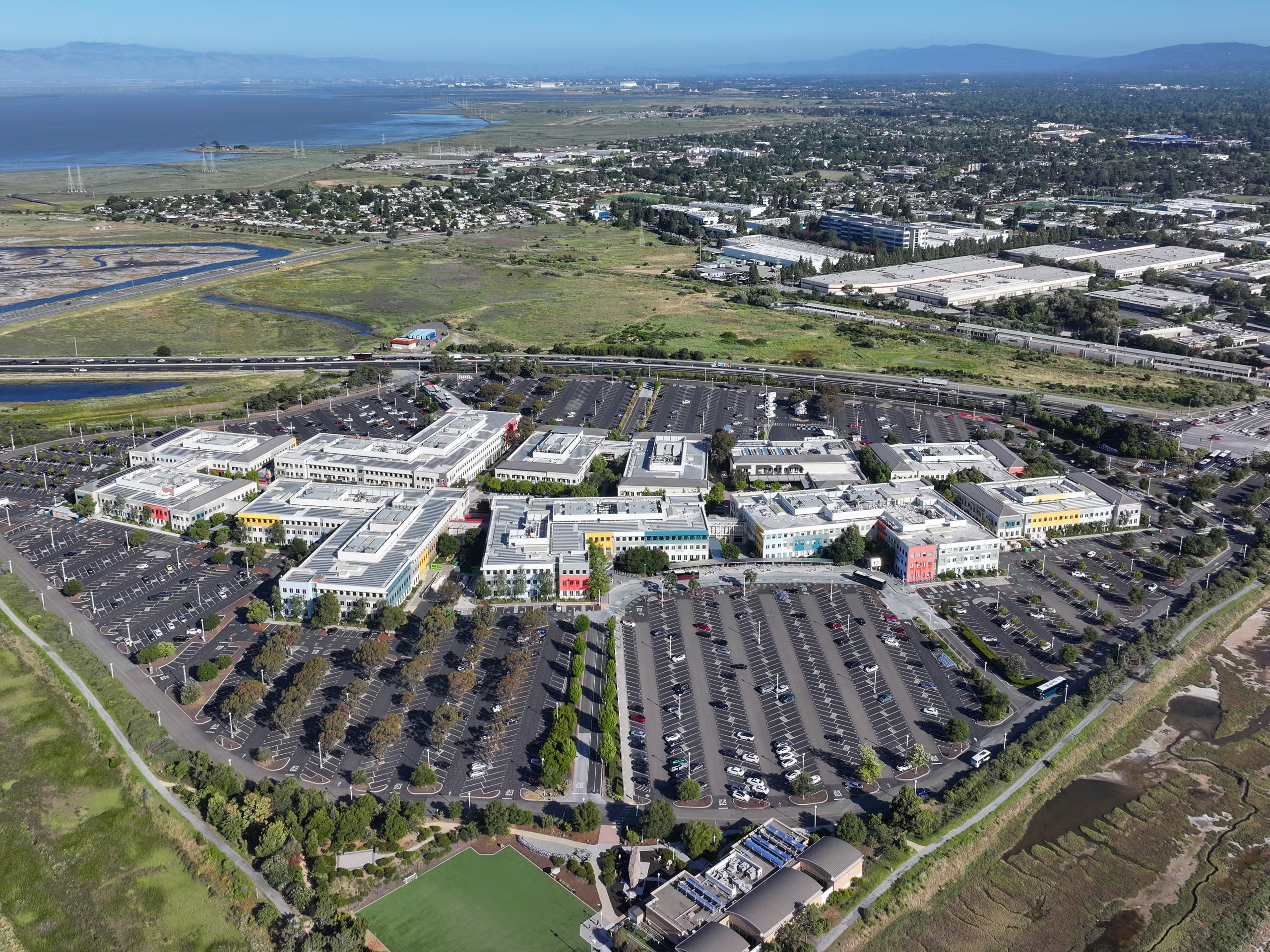
If Gamescom represents the playful, consumer-facing side of technology, the second story Jamali investigated sits at the opposite extreme of ambition. Somewhere in California, a company is in an active race to build and launch a commercial space station capable of succeeding the International Space Station when it is eventually retired.
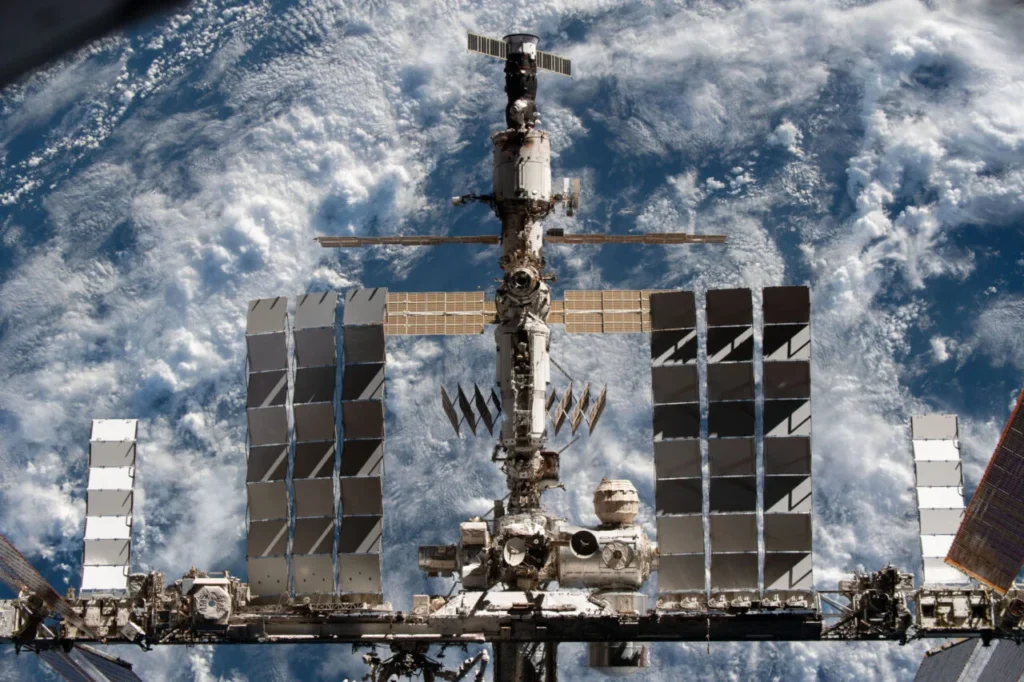
The ISS has been continuously inhabited since November 2000, making it one of the most extraordinary engineering achievements in human history. But it won’t last forever. NASA and its international partners have long acknowledged that the station’s operational life has a hard ceiling, and the agency has been actively pursuing commercial replacements through its Commercial Low Earth Orbit Destinations programme. The goal is straightforward: hand off routine orbital operations to private companies so that NASA can focus its resources on deeper space exploration, including the Moon and eventually Mars.
What It Actually Takes to Build a Space Station
Lily Jamali’s behind-the-scenes access offered a rare window into just how complex and demanding this work is. Building a space station isn’t like building a satellite or even a crewed spacecraft. It requires solving problems simultaneously across structural engineering, life support systems, radiation shielding, orbital mechanics, and the deeply human challenges of keeping people alive and psychologically well in an environment that is fundamentally hostile to human life.
The California company Jamali visited is racing against both the clock and competitors. Several firms are pursuing similar goals, and the prize, beyond the obvious prestige, is a series of NASA contracts worth billions of dollars over the coming decade. Commercial space stations would also open the door to private research contracts, space tourism, and eventually manufacturing processes that can only be conducted in microgravity.
The economics are genuinely different from the ISS era. The original station cost an estimated 150 billion dollars across its lifetime and was built by a coalition of sixteen nations. The new generation of commercial stations is being designed to operate at a fraction of that cost, driven by advances in reusable launch vehicles, modular construction techniques, and a private sector appetite for efficiency that government programmes rarely achieve.
Two Stories, One Throughline
What connects a gaming convention in Cologne and a space startup in California? On the surface, not much. But look a little closer and the shared DNA becomes obvious. Both represent communities of people who refused to accept the limits of what was considered possible. Gaming went from a niche hobby to one of the world’s largest entertainment industries in roughly four decades. Commercial spaceflight went from a government monopoly to a competitive private market in less than two.
The pace of that change is accelerating, not slowing. The technologies being developed for space, materials science, computer vision, artificial intelligence, miniaturised sensors, feed directly back into consumer technology, including the gaming hardware on display at Gamescom. These worlds are more interconnected than they appear from the outside.
What both stories share, more than anything, is the presence of people who are genuinely excited about what comes next. That enthusiasm, whether it’s a developer showing a game to fans for the first time or an engineer explaining how a docking mechanism works in microgravity, is contagious. And in a news cycle that often skews toward anxiety, that’s worth paying attention to.
As private companies inch closer to launching the next generation of orbital platforms and gaming continues to evolve in ways that blur the line between play and reality, one question feels increasingly relevant: are we witnessing the early chapters of a decade that will be remembered as the moment technology truly reshaped what it means to be human, and are we paying close enough attention to notice?