





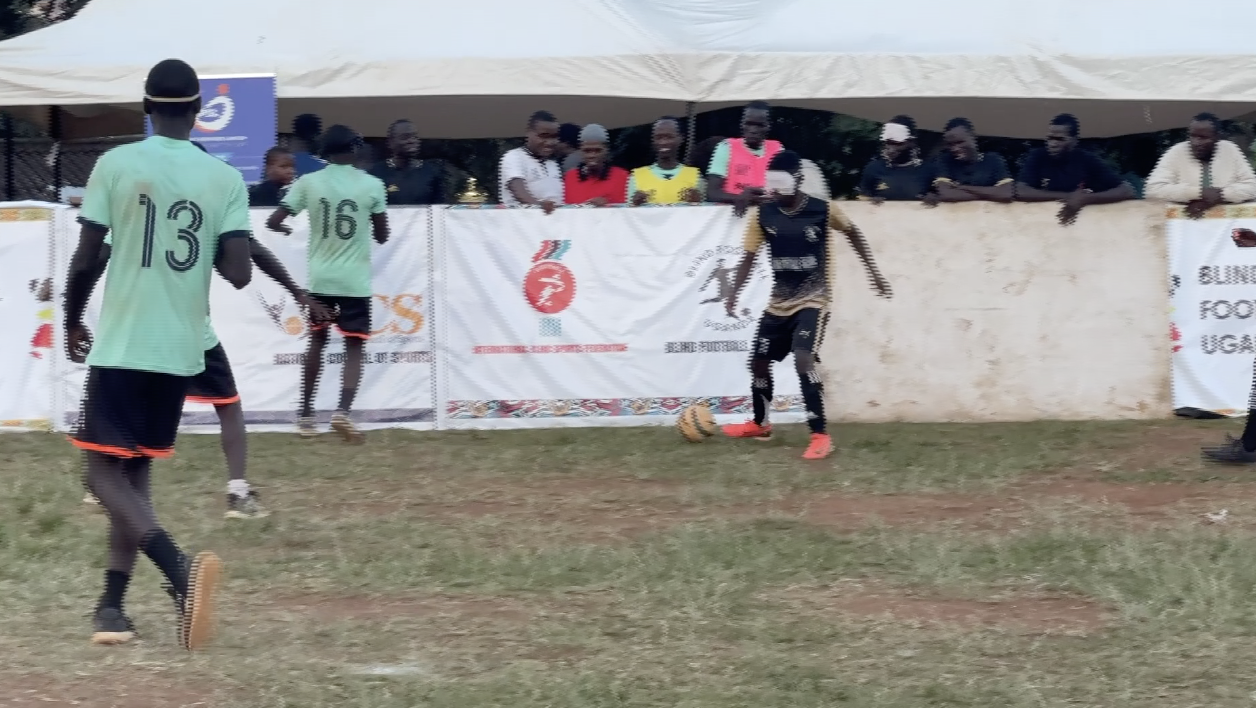
One clean strike. One shutout. One trophy. The blind football team from Makerere University Business School, widely known as MUBS, claimed the top prize at this year’s Blind Football Uganda Championship, defeating Strong Spirits 1-0 in a tightly contested final that wrapped up on the evening of September 6, 2026, at Makerere University.
A Final Decided by Fine Margins
Championship finals rarely come gift-wrapped, and this one was no different. Strong Spirits, as their name suggests, arrived with intent and kept MUBS honest throughout the match. But it was the MUBS side that found the composure when it mattered most, converting a single opportunity into the decisive goal and then holding their defensive shape for the remainder of the game.
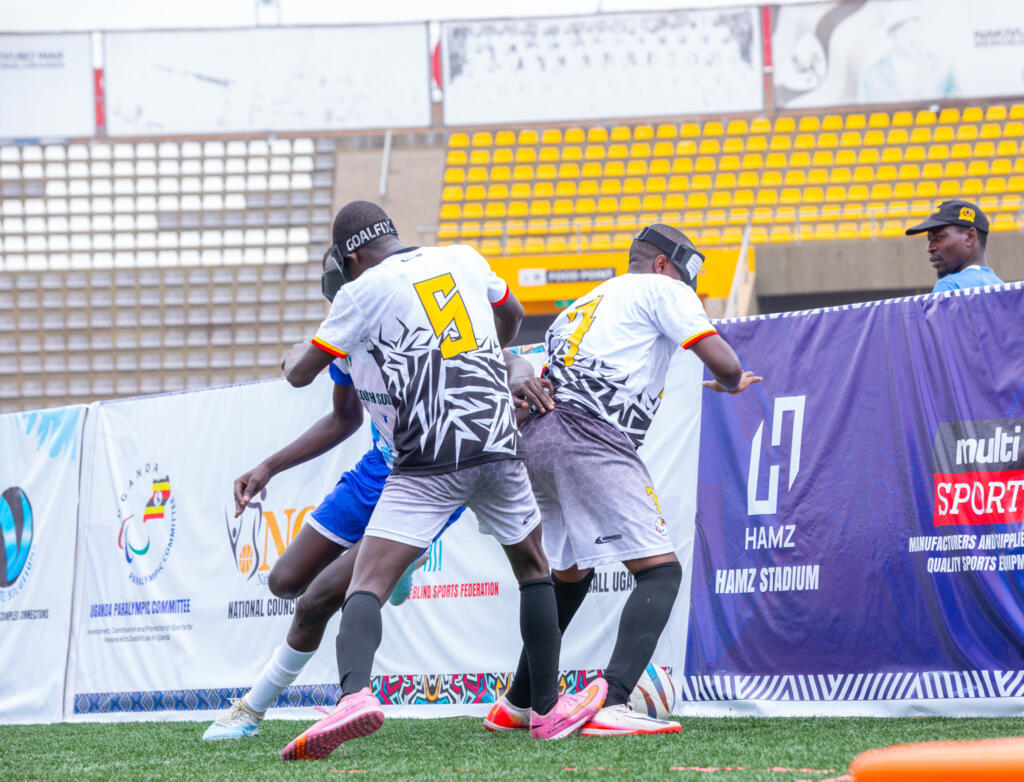
The final scoreline of 1-0 does not necessarily capture just how close and physical the contest was. In blind football, where players rely on sound, communication, and an almost supernatural sense of spatial awareness, a single lapse in concentration can be catastrophic. MUBS refused to lapse. Their concentration held, their coordination held, and in the end, their nerve held too.
According to coverage from NTV Uganda, the championship concluded at Makerere University, one of East Africa’s most storied academic institutions and an increasingly important venue for inclusive sporting events in the country.
What Blind Football Actually Demands
For those unfamiliar with the sport, blind football is a version of the game adapted for players who are visually impaired. Players wear blackout masks to ensure equal conditions regardless of individual levels of residual vision. The ball contains a noise-making device so players can track its movement by sound. A sighted goalkeeper guards each end, and guides positioned around the pitch call out instructions to help players with directional orientation.
The sport demands a level of trust between teammates that goes far beyond what most sighted footballers ever need to develop. Every pass, every run, every tackle happens in a world built entirely from audio cues, body memory, and split-second decision-making. The physical conditioning required is rigorous. The mental discipline required is extraordinary.
That is why victories in this sport carry a particular weight. Winning is not just about athletic ability. It is about systems, communication, and a collective belief that no obstacle is permanent.
MUBS and the Broader Picture of Adaptive Sport in Uganda
Uganda has quietly been building a more structured ecosystem around disability sport over the past several years. Blind football, wheelchair basketball, and para-athletics have all seen growing organisational investment, with universities and community clubs forming the backbone of competitive structures across the country.
MUBS, as a university team, represents something particularly significant in that ecosystem. When academic institutions invest in adaptive sport programmes, they normalise inclusion at a stage of life when attitudes and social norms are still being shaped. Students who study alongside, cheer for, and compete against peers with disabilities carry a different understanding of human potential into their professional lives and communities.
Strong Spirits, despite falling short in the final, deserve recognition as finalists. Reaching a national championship final is no minor achievement, and their presence in the game speaks to the growing depth of competition within Uganda’s blind football community.
The Makerere Setting and What It Symbolises
Hosting the Blind Football Uganda Championship at Makerere University was a statement in itself. Makerere is not merely a university. It is a cultural institution, a space where ideas about society, progress, and identity get contested and refined across generations. Having elite adaptive sport unfold on its grounds connects disability athletics to the country’s intellectual and civic life in a way that goes beyond optics.
It signals to young Ugandans with visual impairments that they belong in spaces of ambition and achievement. It signals to the wider public that sporting excellence does not require perfect physical conditions. It requires heart, structure, and the kind of relentless preparation that the MUBS squad clearly brought to Makerere on the evening of September 6.
What Comes Next for Uganda’s Blind Football Movement
With the championship now concluded and MUBS celebrating their title, attention will naturally turn to what follows. Does the success of this tournament translate into greater institutional support? Will more universities field teams in the next cycle? Can Uganda’s blind football community begin thinking about regional and continental competition as a realistic ambition?
These are not idle questions. They are the kinds of questions that a national championship final should prompt administrators, sponsors, and government sports bodies to sit with seriously. The talent is clearly there. The competitive spirit is undeniable. What blind football in Uganda needs now is sustained structural backing to match the passion its players bring every single time they step onto the pitch.
MUBS have their trophy. The sport has its moment. What happens next is up to everyone watching.
If Uganda’s blind football community keeps growing at this pace, how long before we see a national side competing on the continental stage, and are institutions doing enough right now to make that a reality?