





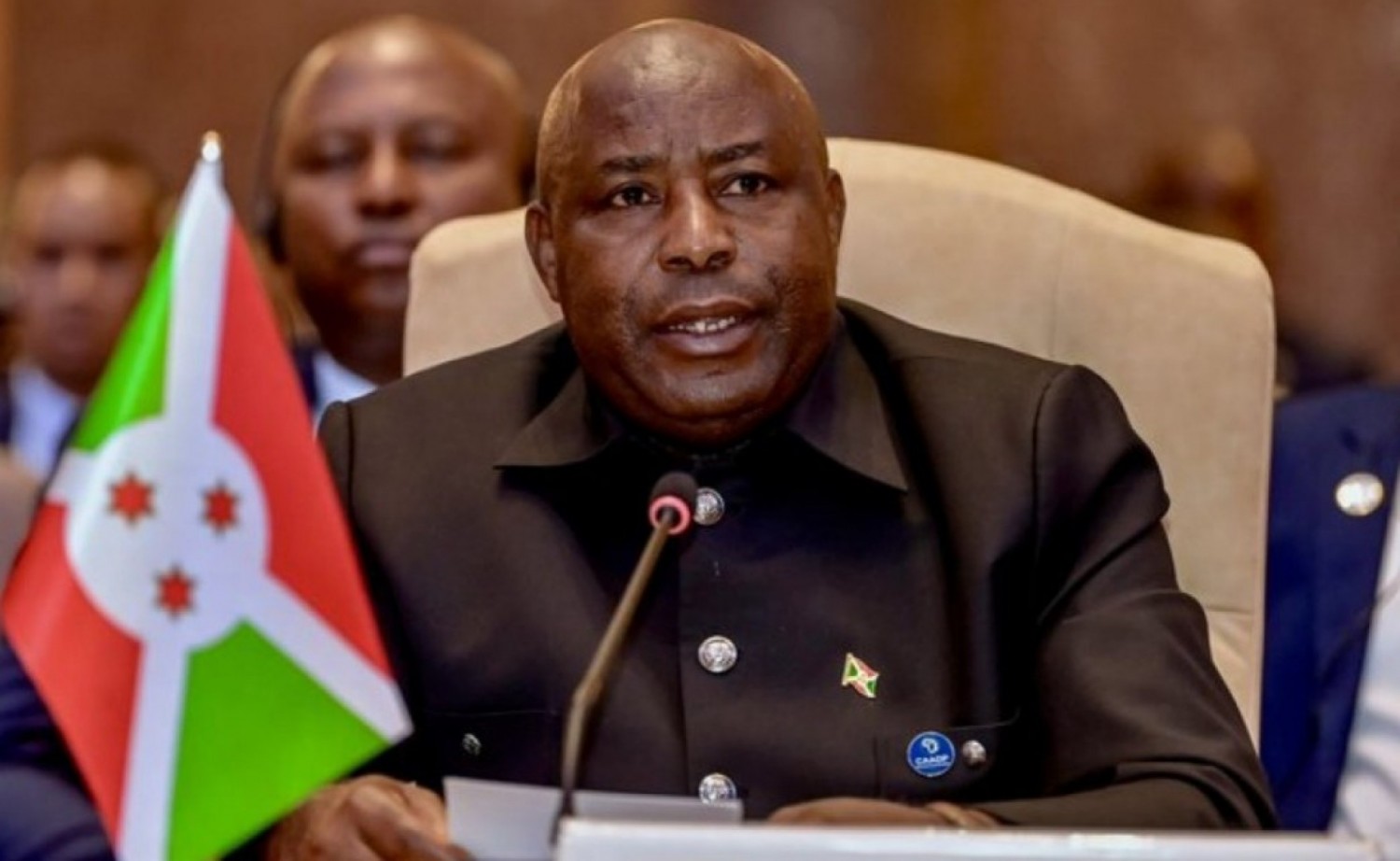
In the Burundian capital of Bujumbura, a quiet diplomatic effort is gaining momentum. President Évariste Ndayishimiye, who currently chairs the African Union, has now held separate face-to-face meetings with representatives from both sides of Sudan’s catastrophic civil war, positioning himself as one of the most active African mediators in a conflict that has torn one of the continent’s largest nations apart.
Two Meetings, One Clear Message
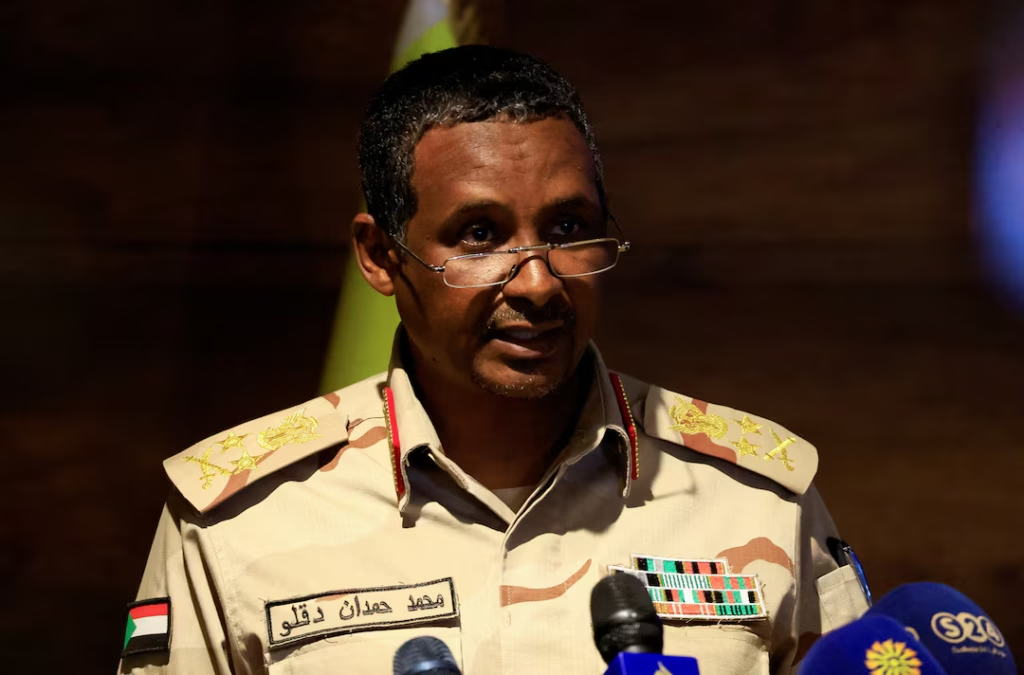
The sequencing tells its own story. On July 10, Ndayishimiye received emissaries representing Sudanese Armed Forces chief General Abdel Fattah al-Burhan. Then, on September 4, a delegation aligned with Mohamed Hamdan Dagalo, the commander of the Rapid Support Forces widely known as Hemedti, arrived in Bujumbura for their own audience with the Burundian leader. Two camps. Two separate conversations. One president determined to keep dialogue alive.
According to a statement from the Burundian presidency, as reported by Chimpreports, Ndayishimiye described the engagements as a chance to reaffirm both sides’ commitment to restoring lasting peace in Sudan. “These exchanges made it possible to reaffirm their commitment to restoring lasting peace in Sudan,” he said, careful to frame the talks not as a breakthrough but as a reaffirmation of intent.
That kind of measured language matters. In diplomacy, overclaiming a fragile moment can shatter it. Ndayishimiye appears to understand that distinction well.
A War That Has Devastated a Nation
To understand why these meetings carry such weight, it helps to recall how Sudan got here. The war broke out in April 2023, born from months of simmering tensions between the Sudanese Armed Forces and the RSF. What began as an internal power struggle between al-Burhan and Dagalo quickly metastasized into one of the worst humanitarian disasters on the planet. Cities have been reduced to rubble. Millions of Sudanese have been forced from their homes. Humanitarian agencies have repeatedly described the situation as among the most severe crises anywhere in the world right now.
The scale of suffering is difficult to overstate. Families separated. Civilian infrastructure obliterated. Aid convoys blocked. And through it all, two military commanders with rival visions of Sudan’s future have shown little appetite for the kind of compromise that peace requires.
Ndayishimiye’s Strategy: African Solutions for African Crises
What makes Ndayishimiye’s approach notable is its deliberate Africanness. At an extraordinary African Union summit held in Luanda in late August, he made the case plainly: African nations must treat dialogue and preventive diplomacy as priorities, not afterthoughts. He named Sudan specifically as a crisis that demands a political answer, not just a military one.
This is not simply rhetorical positioning. By using the AU chair role to personally engage both the SAF and the RSF, Ndayishimiye is putting real diplomatic capital on the line. He is signalling that Africa does not need to wait for external powers to sort out its conflicts, that the continent has both the mechanisms and the will to lead on its own crises.
It is an argument with a long history behind it, and one that has not always delivered results. African Union mediation efforts have stumbled in the past, sometimes lacking teeth, sometimes outpaced by events on the ground. Critics of AU-led processes have pointed to slow mobilisation, limited leverage over armed groups, and the complications that arise when member states have their own interests in a conflict’s outcome.
The Challenge of Bringing Rivals to the Same Table
Holding separate meetings with both sides is a necessary first step, but it is a long way from getting al-Burhan and Dagalo’s representatives in the same room, let alone reaching a ceasefire agreement. The two sides have fundamentally different end goals. The SAF sees itself as the legitimate authority of the Sudanese state and wants RSF forces either integrated into a national military structure on its terms or disbanded. The RSF has its own political ambitions and a geographic foothold in parts of the country that it is unlikely to surrender without significant guarantees.
Bridging that gap will require more than goodwill and shuttle diplomacy. It will require sustained pressure, credible guarantees, and probably the involvement of regional powers whose influence over one side or both could tip the balance. Ndayishimiye’s Bujumbura meetings are building blocks, not a finished structure.
Why This Moment Still Matters
And yet, the fact that both sides agreed to send delegations at all carries meaning. It suggests that neither camp has entirely closed the door on a negotiated path forward, even if the battlefield remains active. That is precisely the kind of opening that experienced mediators know how to work with.
Ndayishimiye’s personal credibility as a head of state, combined with the institutional weight of the AU chairmanship, gives him a platform that few other African leaders currently possess in relation to Sudan. Whether he can convert that platform into a genuine peace process will define a significant part of his legacy, and potentially the future of an entire country.
Sudan’s people, scattered across displacement camps and shattered cities, are not interested in diplomatic niceties. They need food, safety, and a future. The meetings in Bujumbura will not immediately deliver any of those things. But in a conflict where meaningful dialogue has been almost impossible to sustain, keeping the lines open is not a small thing.
As the African Union continues to search for a framework that can hold, one question lingers for anyone watching this crisis: can African-led diplomacy move fast enough to matter before Sudan’s humanitarian catastrophe becomes entirely irreversible?