









September 2026 is shaping up to be one of the most kinetic months in recent tech memory. On one end of the spectrum, Cologne’s cavernous Gamescom halls buzzed with the kind of energy that only hundreds of thousands of gaming fans can generate. On the other, a California-based company is quietly, methodically, building what it hopes will become humanity’s next home in low-Earth orbit. BBC’s Tech Now pulled back the curtain on both stories, and the details are every bit as fascinating as they sound.
Gamescom 2026: The World’s Gaming Crown Jewel Shows No Signs of Slowing Down
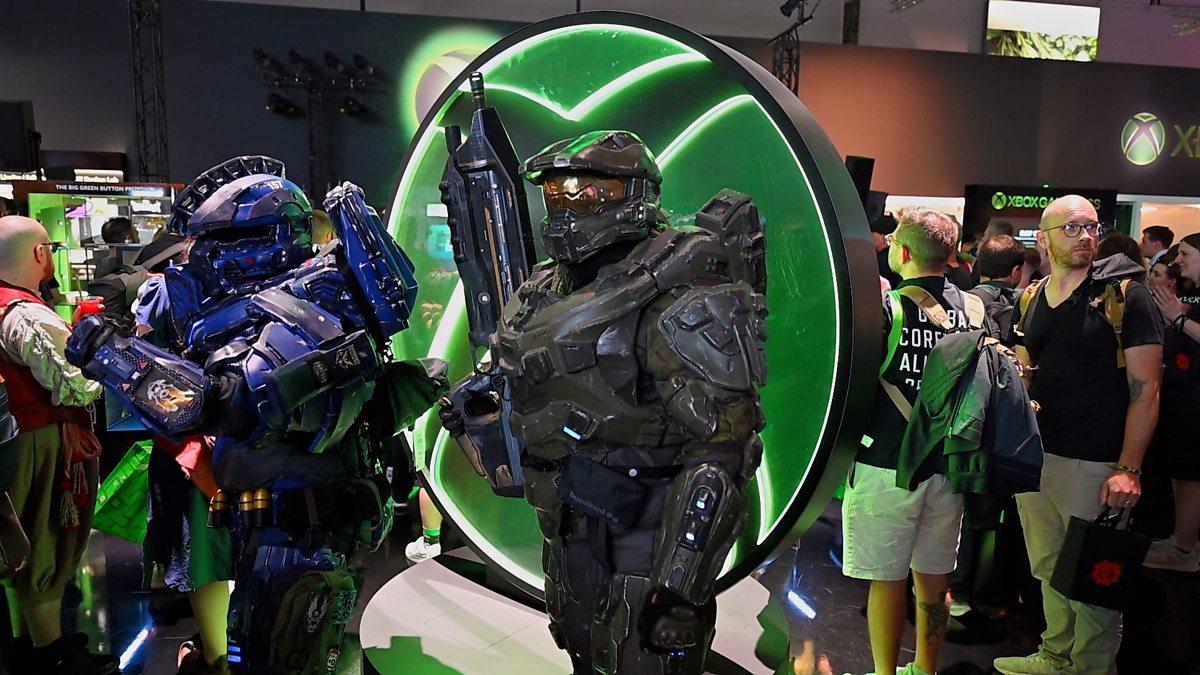
Gamescom has long held the title of the world’s biggest gaming convention, and this year it did nothing to surrender that crown. Journalist Laura Cress was on the ground in Cologne, moving through packed exhibition floors where publishers, indie developers, and hardware makers jostled for the attention of an audience that has only grown more discerning with time.
What makes Gamescom different from its rivals is the sheer democratic sprawl of it. Where some conventions lean heavily into industry networking, Gamescom throws open its doors to fans in a way that gives the event a genuine carnival atmosphere. You get suits walking shoulder to shoulder with teenagers in cosplay, and somehow it all works. The result is a show that manages to feel both commercially significant and genuinely celebratory.
This year’s edition continued the industry’s broader pivot toward immersive experiences. Gaming is no longer just about what you see on a screen. It is about how a controller feels, how a headset transports you, and increasingly, how the communities that form around these games sustain themselves long after launch day. Publishers have learned, sometimes painfully, that a game without a community is a game on borrowed time.
The hardware conversations at the show reflected that evolution too. Peripheral makers are competing on nuance now. The gap between a budget controller and a premium one has never been more loaded with genuine engineering decisions rather than just marketing language. Cress captured that texture in her reporting, moving beyond the press-release gloss to speak with the people who actually build and play these things.
California’s Quiet Bet on the Future of Space
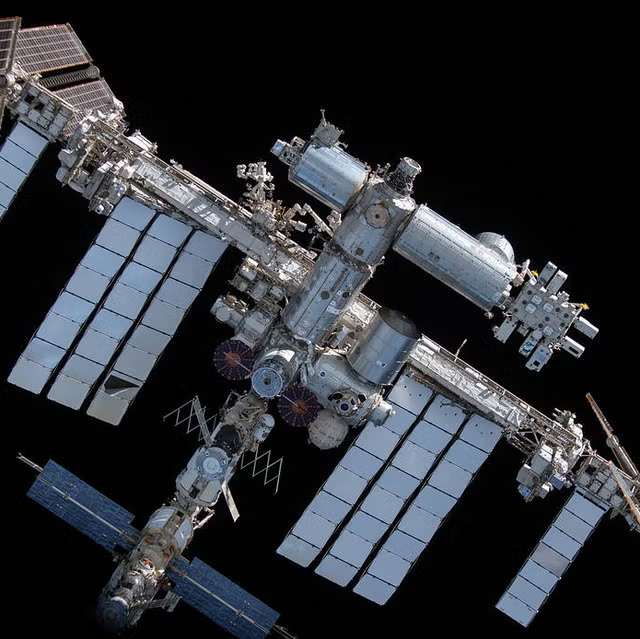
While Gamescom delivered spectacle, the second major story in this week’s tech coverage offered something rarer: genuine historical weight. Journalist Lily Jamali went behind the scenes at a California company that is racing to build a replacement for the International Space Station.
The ISS has been one of the great engineering achievements of the modern era. It has been continuously inhabited since November 2000, serving as a laboratory, a diplomatic symbol, and a proof of concept for long-duration human spaceflight. But it is aging. NASA and its international partners have been candid about the fact that the station cannot operate indefinitely, and the question of what comes next has moved from theoretical to urgent.
Private companies have been circling that question for years, but the timelines are compressing now. The window between the ISS’s expected retirement and the need for a successor is narrowing, which means the pressure on companies like the one Jamali visited is no longer just competitive. It is existential for the broader project of keeping humans in space on a continuous basis.
Why Private Space Stations Change Everything
The shift from government-owned orbital infrastructure to privately operated stations is not just a procurement story. It represents a fundamental renegotiation of who gets access to space and on what terms. A commercial station run by a California company operates under different incentives than one managed by a coalition of national space agencies. Speed matters more. Cost efficiency matters more. And crucially, the customer base expands beyond governments to include research institutions, pharmaceutical companies, and potentially even space tourism operators.
That last category still makes some people roll their eyes, but the economics are hard to dismiss. If a private station can generate revenue from multiple streams simultaneously, it becomes financially sustainable in a way that government-funded stations have never truly needed to be. The ISS was funded by taxpayers across multiple nations. Its successor, if a company like the one Jamali profiled has its way, will need to earn its keep on the open market.
The engineering challenges remain formidable. Launch costs, orbital mechanics, life support systems, radiation shielding, and the sheer logistics of supplying a crew hundreds of kilometers above Earth are not problems you solve with a pitch deck and optimism. But the companies working on this are not doing it with optimism alone. They have hardware. They have contracts. And increasingly, they have a deadline that no one can move.
Two Industries, One Shared Momentum
At first glance, a gaming convention in Germany and a space startup in California have nothing obvious in common. But look closer and the through-line is clear. Both represent industries that started as the province of specialists, captured public imagination, and are now operating at a scale that would have seemed absurd just two decades ago. Gaming generates more annual revenue than the film and music industries combined. Private spaceflight has gone from a billionaire’s hobby to a genuine infrastructure sector in under fifteen years.
The people driving both industries are also cut from similar cloth: technically obsessive, commercially ambitious, and deeply convinced that what they are building matters beyond the immediate product. That conviction, more than any single piece of technology, is what keeps both sectors moving at the pace they do.
For anyone trying to understand where technology is actually going in 2026, these two stories offer a useful map. Not every tech trend lands. Not every convention reveal becomes a cultural moment, and not every space startup survives contact with the reality of orbital physics and investor patience. But the ambition on display right now, in gaming halls and clean rooms alike, is worth paying attention to.
Which of these two frontiers, the virtual worlds we build for entertainment or the physical ones we are reaching toward in orbit, do you think will define the next decade of human experience? Drop your thoughts below.