






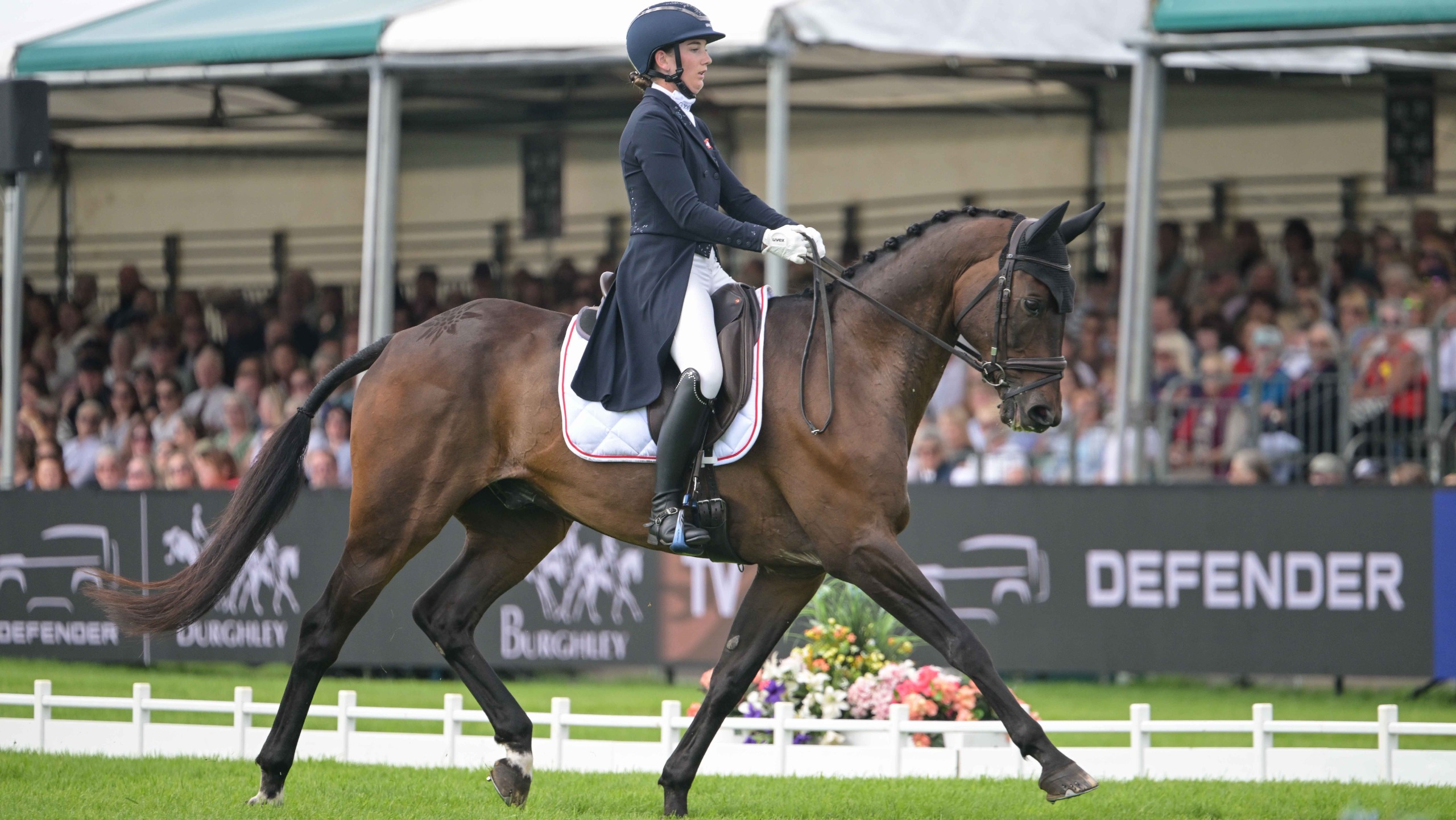
Every September, the manicured grounds of Burghley Park in Lincolnshire become the stage for something that defies easy description. Part sport, part spectacle, part sheer nerve, the Burghley Horse Trials returns in 2026 as one of the most prestigious and genuinely unpredictable events in the global sporting calendar. Riders, horses and the Lincolnshire weather conspire to produce something that no script could improve upon.
What Makes Burghley Different From Every Other Event on Earth
There is no shortage of elite equestrian competitions dotted across the globe. But Burghley occupies a category of its own. As one of just five CCI5*-L events in the world, it sits at the very summit of three-day eventing, a discipline that combines dressage, cross-country and showjumping into a single, gruelling test of horse and rider over multiple days. The cross-country course in particular has a reputation that precedes it by decades. Designed to push combinations to their absolute limit, the fences are bold, the terrain is demanding, and the margin for error is essentially zero.
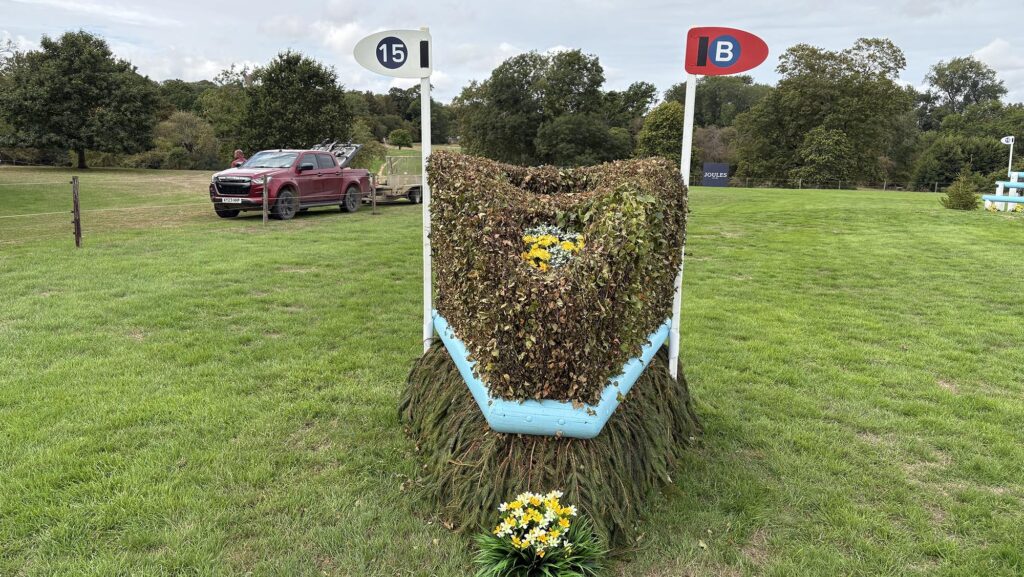
The event takes place against the backdrop of Burghley House, an Elizabethan stately home that provides one of sport’s most dramatic natural amphitheatres. Where some venues feel manufactured, Burghley feels earned. The atmosphere on cross-country day, when crowds line the banks and hold their collective breath at water complexes and corner fences, is something that television captures only partially. Being there is different altogether.
The Discipline Explained: Why Three-Day Eventing Is Sport’s Most Complete Test
For newcomers drawn in by the spectacle, a quick breakdown goes a long way. Three-day eventing began as a military test, designed to assess the all-round capability of cavalry horses. Today it has evolved into an Olympic and World Championship discipline that demands versatility from both horse and rider in ways that most sports simply do not.
Dressage, the opening phase, looks deceptively serene. Riders guide their horses through a precise sequence of movements in an enclosed arena, and judges score every transition and outline. It rewards softness, accuracy and harmony. Then comes the cross-country phase, which is essentially the polar opposite. Riders gallop across open countryside, jumping fixed solid obstacles at speed, often over uneven ground and through water. There is no knocking a fence down and moving on. If a horse refuses or a rider falls, the penalties are severe. Finally, showjumping closes the competition, testing whether the horse retains its energy, suppleness and obedience after the previous day’s exertions.
The genius of eventing is that excellence in one phase rarely guarantees victory across all three. A horse brilliant enough to produce a stunning dressage test must also possess the boldness and athleticism to tackle a cross-country course designed by people who know exactly how to find the limits of both animal and human.
A Tradition That Refuses to Stand Still
Burghley has been running since 1961, which means 2026 marks well over six decades of this event shaping the landscape of British equestrian sport. The list of names who have triumphed here reads like a hall of fame of the sport: Lucinda Green, Mark Todd, Mary King, William Fox-Pitt. Each generation of riders has arrived at Burghley carrying the weight of that history, and each generation has found ways to add to it.
What keeps Burghley relevant is its refusal to rest on that legacy. Course designers continue to evolve the cross-country track, incorporating new fence designs that test modern combinations in fresh ways. The ground jury maintains standards that protect horse welfare while preserving the competitive intensity that defines the event. Spectator numbers remain strong year after year, proof that the appetite for this particular brand of sporting drama has not dimmed.
The Course: Where Champions Are Made and Plans Dissolve
Talk to any experienced eventer about Burghley and the conversation invariably turns to the cross-country course. It covers roughly six and a half kilometres, and the fences themselves are designed to test not just technical ability but decision-making under pressure. Water complexes require horses to jump in, navigate and jump out, often at awkward angles. Corner fences demand precision riding at speed. The undulating Lincolnshire terrain means there is no flat, predictable approach to rely upon.
Mistakes are unforgiving. A fraction too much pace into a combination, a slight loss of balance on a downhill approach, a horse that spooks at the crowd noise, any of these can end a competition that has been years in preparation. It is this fragility, the sense that everything can unravel in a single stride, that keeps cross-country day at Burghley among the most watched and most tense afternoons in British sport.
Burghley as a Cultural Event
It would be a mistake to view Burghley purely through the lens of sporting competition. For tens of thousands of visitors who arrive each September, the event is as much a social and cultural fixture as it is a sporting one. The shopping village that fills the grounds around the main arena has grown into a serious attraction in its own right, with trade stands covering everything from country clothing and saddlery to food, drink and home interiors.
The demographics of the crowd reflect the breadth of equestrian sport’s appeal in Britain. Serious riders who have spent years competing at lower levels stand beside complete newcomers who have simply heard that this is worth seeing. Families spread picnic blankets along the cross-country course. Dogs are walked. Children sit on shoulders to peer over fences. It is one of those rare sporting events where the occasion itself becomes the memory, regardless of which horse and rider ends up at the top of the leaderboard.
What to Watch For in 2026
With the 2026 edition underway, all eyes are on which combinations can produce the consistency required to win across three phases over multiple days. The nature of eventing means the leaderboard shifts dramatically between dressage and showjumping. A horse sitting tenth after dressage can still win the competition if it produces a clear cross-country round inside the time and then jumps clean in the final phase.
Weather, as ever, plays its part. A wet September softens the ground and changes how horses move and jump. A dry spell can bake the Lincolnshire turf to a firmness that tests legs and tendons in an entirely different way. Course designers and ground staff work constantly across the event week to manage conditions, but there is only so much human intervention can achieve against the British climate.
The 2026 Burghley Horse Trials is not just a sports event. It is a reminder that some competitions have no off switch, no pause button, and no safety net. When a rider sets off down the start ramp on cross-country day, everything that follows is genuinely live, genuinely uncertain, and genuinely extraordinary.
So the question is simple: if this is the kind of sport you have never watched, what exactly are you waiting for?