







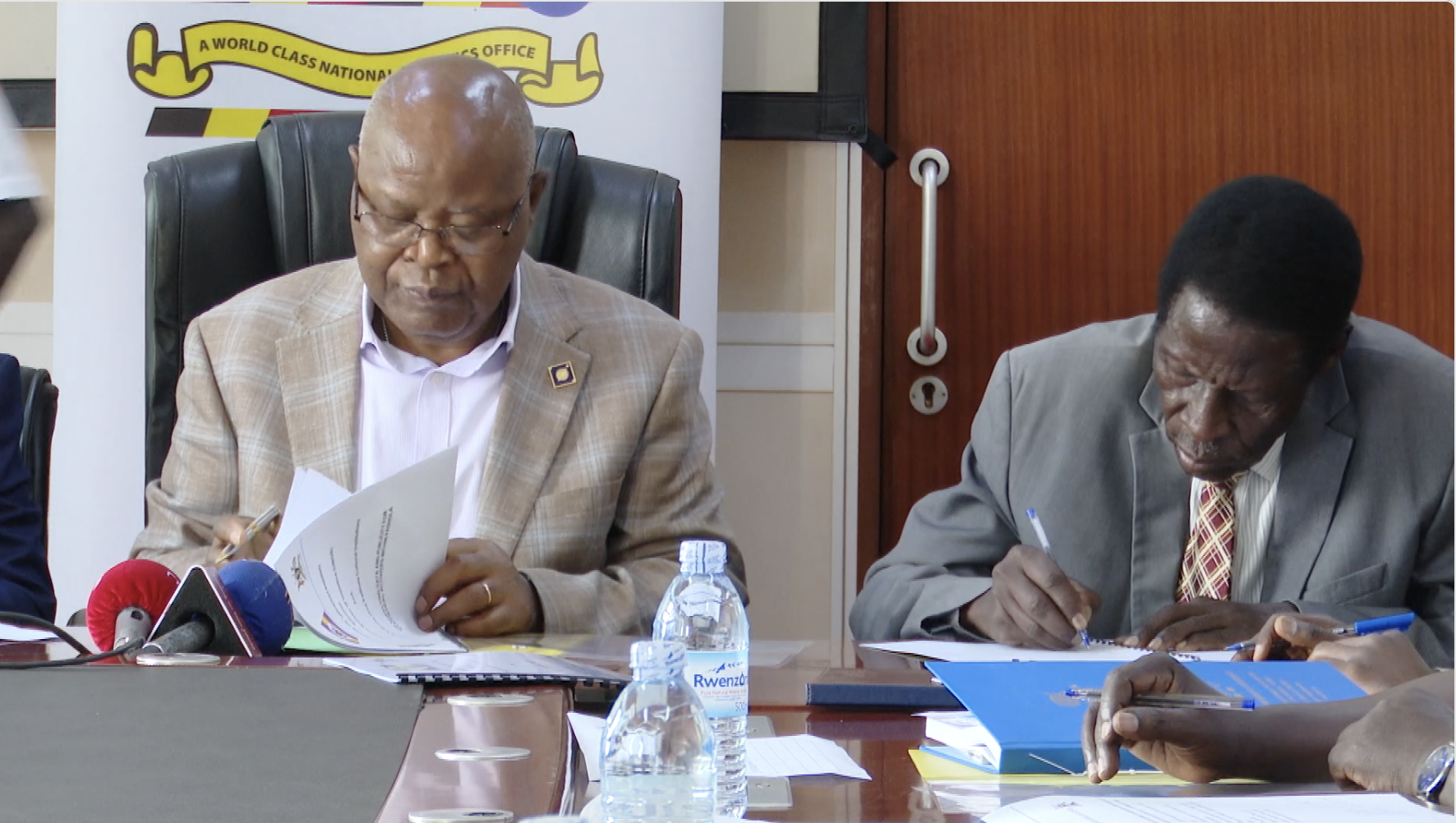
On September 5, 2026, Uganda’s national data authority took a step that signals a broader rethinking of how the country gathers knowledge about itself. The Uganda Bureau of Statistics formalised memoranda of understanding with the Bugwe and Tieng Adhola kingdoms, creating a framework for both cultural institutions to actively participate in the collection and application of statistical data. The agreements are not ceremonial. They carry a concrete mandate: help build systems that properly document births, deaths, and population movements within communities that have historically sat at the margins of formal record-keeping.
Why Traditional Kingdoms and a Government Statistics Body Are Sitting at the Same Table
At first glance, the pairing of a national statistics bureau with traditional kingdoms might seem like an unusual match. But look a little closer and it becomes obvious that the logic is sound. Uganda has dozens of cultural institutions that command deep loyalty in their regions. People who might never interact with a government registrar will still observe cultural rites, report to kingdom leadership structures, and participate in communal events overseen by traditional authorities. That trust is a resource, and UBOS is now treating it as one.
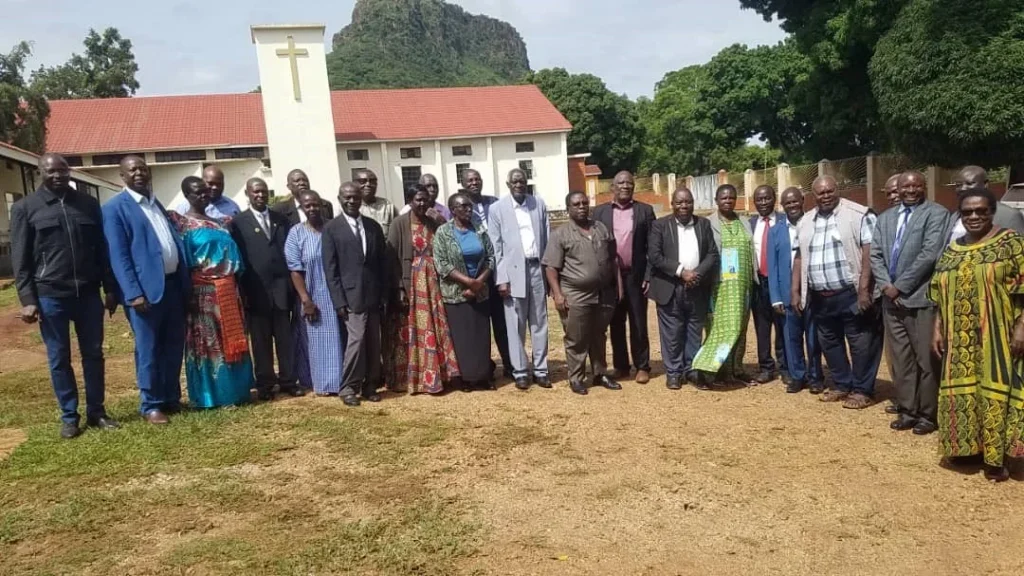
The Bugwe and Tieng Adhola kingdoms both represent communities in eastern Uganda with distinct cultural identities and well-established leadership hierarchies. By formalising their role in data collection, UBOS is essentially embedding the statistical function inside an existing social architecture. The result, in theory, is data that is more accurate, more granular, and more reflective of actual lived experience on the ground.
The Problem With Missing Data
Uganda, like many sub-Saharan African nations, has a persistent data gap problem. Births go unregistered. Deaths are not formally recorded. Household compositions shift without any official acknowledgment. This creates a situation where planners are making decisions about schools, hospitals, water systems, and road networks using population figures that may be years out of date or simply wrong.
UBOS has been clear that reliable data is not a nice-to-have. It is the foundation of every serious planning decision a government makes. When you do not know how many people live in a particular sub-county, you cannot rationally decide how many teachers to hire, how many health workers to deploy, or how much food to stockpile in case of a crisis. The unknowns cascade outward in ways that hurt real people.
That is the urgency underneath what might otherwise look like a routine signing ceremony. Getting population data right is, at its core, a matter of service delivery and resource allocation. Communities with poor data coverage tend to be under-resourced precisely because the scale of their needs is invisible to the planners who hold the budgets.
What the Kingdoms Will Actually Do
Under the terms of the agreements, the Bugwe and Tieng Adhola kingdoms will work to develop internal systems for documenting key population events, particularly births and deaths. This is not just about filling out forms. It means training people within the kingdom structures, creating reporting channels, and building a culture of record-keeping that did not previously exist in a formal sense.
UBOS, for its part, brings technical expertise, national coordination capacity, and the ability to integrate locally gathered data into the wider national statistical picture. The partnership is bidirectional. Kingdoms get support in building governance tools; UBOS gets reach into communities it has historically found difficult to count accurately.
A Model Worth Watching
If the approach works, it could serve as a template for other parts of Uganda and, potentially, for other African countries grappling with the same data quality challenges. Uganda has over 50 recognised cultural institutions, each with its own geographic and demographic footprint. Bringing even a fraction of those into the national data ecosystem would represent a meaningful improvement in statistical coverage.
The conversation around data in Africa has evolved significantly over the past decade. There is growing recognition that conventional census methods, however carefully designed, miss populations that are mobile, rural, or simply disengaged from state systems. Partnerships with trusted local intermediaries, whether religious institutions, cultural organisations, or traditional kingdoms, offer a way to close that gap without waiting for infrastructure that may take decades to arrive.
Governance That Knows Its People
There is a broader principle at play here that goes beyond spreadsheets and population tallies. A government that knows its people, in the demographic and statistical sense, is better positioned to govern them well. It can anticipate needs rather than react to crises. It can distribute resources with a degree of fairness that is impossible when entire communities are invisible to official systems. And it can build accountability structures around measurable outcomes rather than vague intentions.
Uganda’s decision to work through Bugwe and Tieng Adhola rather than around them reflects a maturity in thinking about how modern governance can coexist with traditional authority. These are not competing systems. Handled well, they can reinforce each other.
The real test will come not in the signing, but in the execution. Building functional vital registration systems within traditional structures requires sustained effort, adequate funding, and genuine political will on all sides. Whether the partnership delivers on its promise will become clear in the months and years ahead as data from these communities either starts flowing or stalls at the first administrative hurdle.
As Uganda watches this experiment unfold, one question is worth sitting with: if two kingdoms can help the state see its citizens more clearly, what other partnerships are we still leaving on the table?