










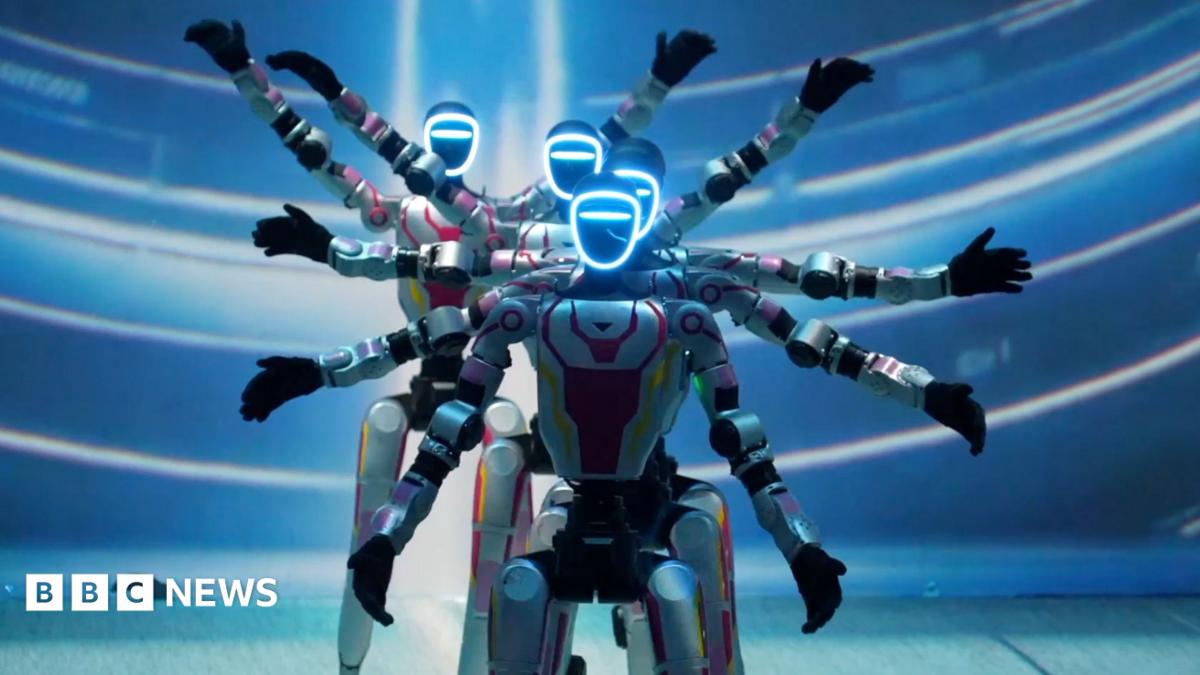
Near the South Korean capital of Seoul, a genuinely unusual entertainment venue has thrown open its doors in 2026, and it has no roller coasters, no costumed characters, and no popcorn-scented nostalgia. What it does have is robots. Lots of them. Galaxy Robot Park, covering a substantial 16,500 square meters, is the latest and perhaps most ambitious attempt to weave artificial intelligence and robotics directly into the fabric of leisure and entertainment.
What Exactly Is Galaxy Robot Park?
The park is the brainchild of a company with a clear and unapologetic mission: bring AI and robotics out of factory floors and research labs and place them squarely in front of families, thrill-seekers, and the casually curious. The result is a venue that feels less like a traditional theme park and more like a living, breathing technology showcase dressed up in the language of fun.
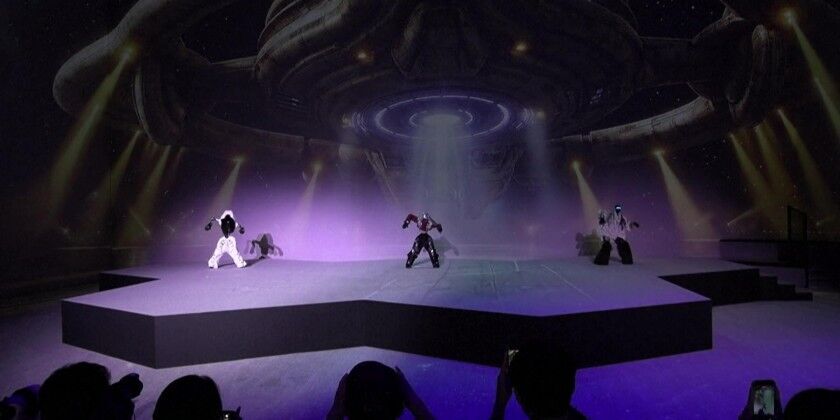
At 16,500 square meters, the space is not exactly Disneyland-sized, but it is substantial enough to host a meaningful range of robotic experiences. BBC coverage of the park has already drawn international attention to the concept, putting South Korea’s robotics ambitions squarely on the global map.
South Korea’s Robotics Ambitions Run Deep
This park does not exist in a vacuum. South Korea has been one of the world’s most robotics-forward nations for years. The country consistently ranks among the top in the world for robot density in manufacturing, meaning the number of industrial robots per 10,000 workers. That industrial foundation has been quietly building the engineering talent, supply chains, and cultural familiarity with robots that now make a venue like Galaxy Robot Park feel less like science fiction and more like a natural next step.
Korean consumers, particularly younger generations, have shown a strong appetite for technology-driven experiences. From hyper-connected gaming culture to the rapid adoption of smart infrastructure in cities like Seoul, there is a pre-existing comfort with machines playing an active role in daily life. A theme park built on that premise is, in many ways, a cultural fit.
The Big Question: Can Robots Actually Keep People Coming Back?
Here is where things get genuinely interesting, and a little uncertain. Traditional theme parks have mastered the art of the return visit through emotional storytelling, nostalgia, seasonal events, new ride openings, and the kind of brand loyalty that parents pass down to children like a treasured family recipe. Robots, for all their technical marvels, have a different relationship with human emotion.
The appeal of watching a robot perform is real. The novelty is undeniable. But novelty, by definition, has a shelf life. The question Galaxy Robot Park’s creators must answer is how they plan to keep the experience fresh, surprising, and emotionally resonant enough to pull visitors back through the gates a second, third, or fourth time.
One potential answer lies in the nature of AI itself. Unlike a static ride, an AI-powered robot can, in theory, learn, adapt, and generate experiences that are slightly different each time. If the park’s robots are sophisticated enough to respond to individual visitors, remember past interactions, or perform in ways that evolve over time, that could transform the novelty of a first visit into a longer-term relationship.
The Role of AI in Personalising the Experience
Personalisation is the holy grail of modern entertainment. Streaming platforms spend billions trying to serve you the exact content you want, at the exact moment you want it. If Galaxy Robot Park can translate that logic into a physical space, where robots genuinely respond to who you are and what you are doing in real time, it would represent something genuinely new in the leisure industry.
That is a significant technical and creative challenge. Programming a robot to perform a fixed routine is hard enough. Programming one to be spontaneous, warm, and contextually aware in a crowded public space is an entirely different order of difficulty. The park’s success may hinge on how convincingly its robots clear that bar.
What This Means for the Global Entertainment Industry
Theme park operators worldwide will be watching Galaxy Robot Park with considerable interest. Labour costs are one of the entertainment industry’s most persistent headaches, and robots offer an obvious theoretical solution. A robot does not need a lunch break, a health plan, or a Christmas bonus. But replacing the warmth and unpredictability of human interaction with machine precision carries its own risks, particularly in an industry where guest experience is everything.
There is also the question of accessibility and scale. Building and maintaining sophisticated robotics infrastructure is expensive, requiring specialised engineering talent and hardware that does not come cheap. Whether the Galaxy Robot Park model can be financially sustainable, let alone profitable, is something the industry will scrutinise closely.
What the park does accomplish, regardless of its long-term commercial fate, is force a genuine conversation about where entertainment is heading. As AI grows more capable and robotics hardware becomes more affordable, the line between a theme park and a technology experience will keep blurring. Galaxy Robot Park simply got there first.
A New Chapter in What Fun Can Look Like
There is something quietly audacious about building a park where the attraction is intelligence itself. Not speed, not height, not fantasy worlds built from painted plywood and foam. Just the raw, fascinating spectacle of machines that think, move, and interact. Whether that is enough to fill a 16,500-square-meter venue year after year remains to be seen.
South Korea has never been shy about staking its future on technology, and Galaxy Robot Park is the latest expression of that national confidence. It might stumble. It might surprise everyone. But it has already done one thing no algorithm could have predicted: it has made the world stop and genuinely wonder what a theme park is supposed to be.
So here is the question worth sitting with: if a robot could give you a perfectly tailored, endlessly adaptive entertainment experience, would you miss the human touch, or would you barely notice it was gone?