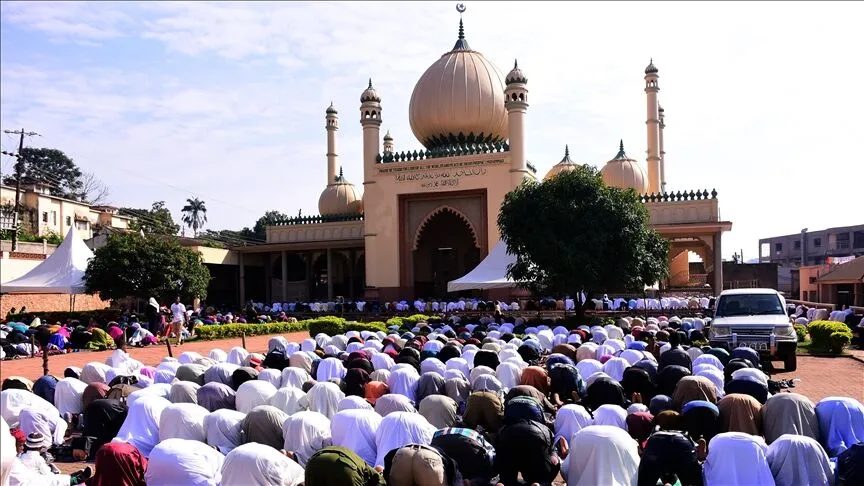
When the rains refuse to come, communities reach for what they know. Across Uganda right now, that means mosques, prayer mats, and a centuries-old supplication to the heavens. The Uganda Muslim Supreme Council has officially called on Muslims throughout the country to gather for a national rain prayer, known formally as Salatul-Istisqa, this Friday, September 4, 2026. The event will take place simultaneously at 1:40 p.m. in mosques across every region, a coordinated spiritual response to what has become a worrying stretch of dry weather for the East African nation.
A Circular That Set the Country in Motion
The directive came through an official circular issued by Sheikh Ssali Imran Abdunoor of the UMSC’s Department of Religious Affairs. That single document, signed and distributed through the council’s religious network, has set into motion a nationwide mobilization. Local religious leaders have been charged with rallying their communities, encouraging attendance, reflection, and sincere engagement with the prayers.
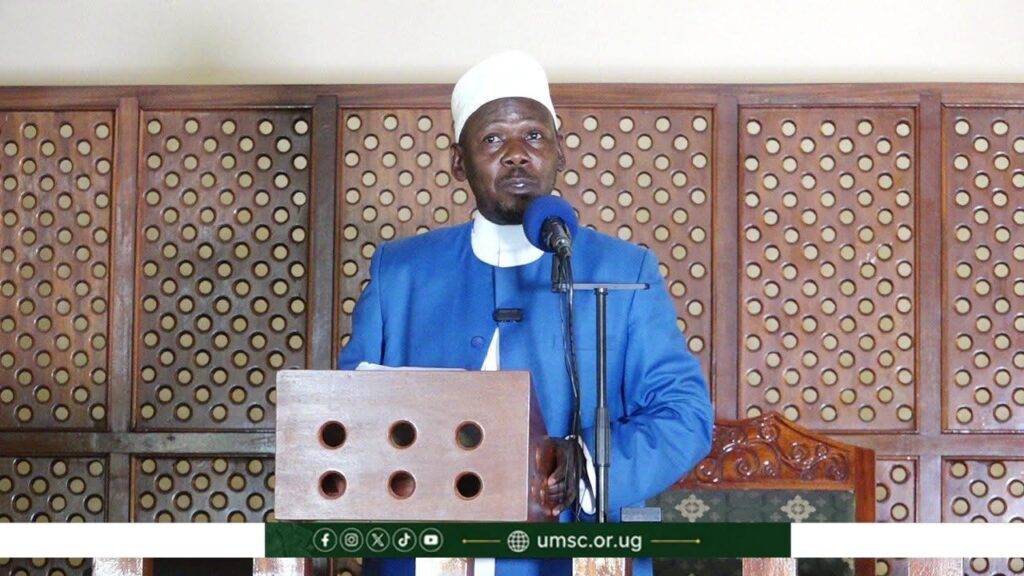
This is not a casual administrative memo. The weight of the circular is significant. For Uganda’s Muslim population, the Friday timing carries deep religious resonance. Jumu’ah, the Friday congregational prayer, is already the most attended gathering of the week for observant Muslims. To schedule Salatul-Istisqa within that same window is to ensure maximum participation and collective spiritual intensity.
What Salatul-Istisqa Actually Is
For those unfamiliar with the practice, Salatul-Istisqa is a prayer specifically performed during periods of drought or water scarcity. It is deeply rooted in Islamic tradition, with origins traced back to the time of the Prophet Muhammad. The prayer is typically performed outdoors or in congregation, and it is accompanied by specific supplications, repentance, and charity, acts the UMSC has actively encouraged ahead of Friday’s gathering.
The council’s guidance to the faithful is layered with meaning. Muslims have been urged to engage sincerely in Istighfar, which is seeking forgiveness from God, alongside repentance, Dua or personal supplication, acts of charity, and general good deeds. The message is clear: this is not just a ritual performance. It is a moral reckoning, an invitation to internal reflection as much as communal prayer.
Why This Moment Matters Beyond Religion
Uganda, like much of the broader region, has experienced increasingly unpredictable weather patterns in recent years. Agricultural communities that depend on reliable seasonal rainfall have felt the pressure of dry spells acutely. Farmers watch their soil crack. Pastoralists push livestock further in search of water. Families in rural areas feel the squeeze before it ever registers on a national economic report.
In that context, a national prayer for rain is not simply a religious event. It is a mirror of the country’s condition. It tells you something real about the severity of what people are experiencing on the ground, in villages and farms far from Kampala’s air-conditioned offices. When an institution as established as the Uganda Muslim Supreme Council issues a nationwide call to prayer for rain, it is responding to genuine distress, not ceremonial tradition alone.
Community Mobilization at the Local Level
One of the most telling aspects of how this has been organized is the deliberate push to involve local religious leaders as mobilizers. Rather than a top-down instruction that exists only on paper, the UMSC has distributed responsibility to sheikhs and imams at the grassroots level. Those are the figures who know their communities personally, who understand which households are struggling most and which families need both practical and spiritual support.
This model of decentralized mobilization gives the Friday prayer a texture that a simple announcement could never achieve. It means that by the time 1:40 p.m. arrives on September 4, the people filling those mosque courtyards will not be there out of obligation alone. They will be there because someone they trust, someone who knows their name and their situation, invited them personally.
A Tradition With Global Parallels
Uganda is not unique in turning to prayer during environmental hardship. From the dry plains of the Sahel to drought-stricken regions of the Middle East, South Asia, and even parts of North America with large Muslim populations, Salatul-Istisqa has been performed as a community response to water scarcity throughout Islamic history. What makes Uganda’s call notable is its national scale and the precision of its coordination: one country, one time, one collective intention.
That kind of unity, when it is genuine, carries its own power regardless of one’s spiritual persuasion. There is something quietly moving about the image of thousands of people standing in mosque courtyards across a vast country at the exact same moment, all asking for the same thing.
What Comes After Friday
Prayer, of course, does not replace policy. Uganda’s government and local authorities will still need to address the infrastructural realities that make communities so vulnerable to rainfall variability: irrigation systems, water storage, drought-resistant crop support, and long-term climate adaptation. The spiritual response and the practical response are not in competition; they are different lanes moving toward the same destination.
But Friday’s gathering will matter in its own right. It will remind Uganda’s Muslim community, and by extension the broader country watching, that solidarity in hard times is itself a resource. That showing up together, at 1:40 p.m. on a Friday, is an act with meaning.
As mosques prepare their spaces and religious leaders prepare their communities for one of the most publicly coordinated acts of collective prayer Uganda has seen in recent memory, one question seems worth sitting with: when the rains finally do come, what kind of society do we want to be when they arrive?