




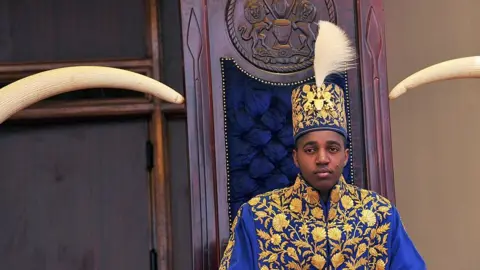
The body of Tooro King Oyo Nyimba Kabamba Iguru Rukidi IV left Dallas, Texas, on Wednesday, September 2, beginning a transatlantic journey that will bring Uganda’s youngest-ever monarch home for the last time. The 34-year-old king, who died on August 27 after battling an aggressive form of cancer, is now expected to arrive in Uganda on Friday, September 4, setting in motion a formal funeral programme that the kingdom and government have been preparing for days.
A Changed Schedule, A Nation Waiting
An earlier itinerary had indicated the remains would touch down on Thursday, but Tooro Kingdom and government officials confirmed the adjustment, pushing the arrival to Friday. The change is minor in a logistical sense, but emotionally, every hour counts for a country that has been processing an enormous loss. Final details on the arrival time and the official reception programme are still to be communicated by kingdom and government representatives.
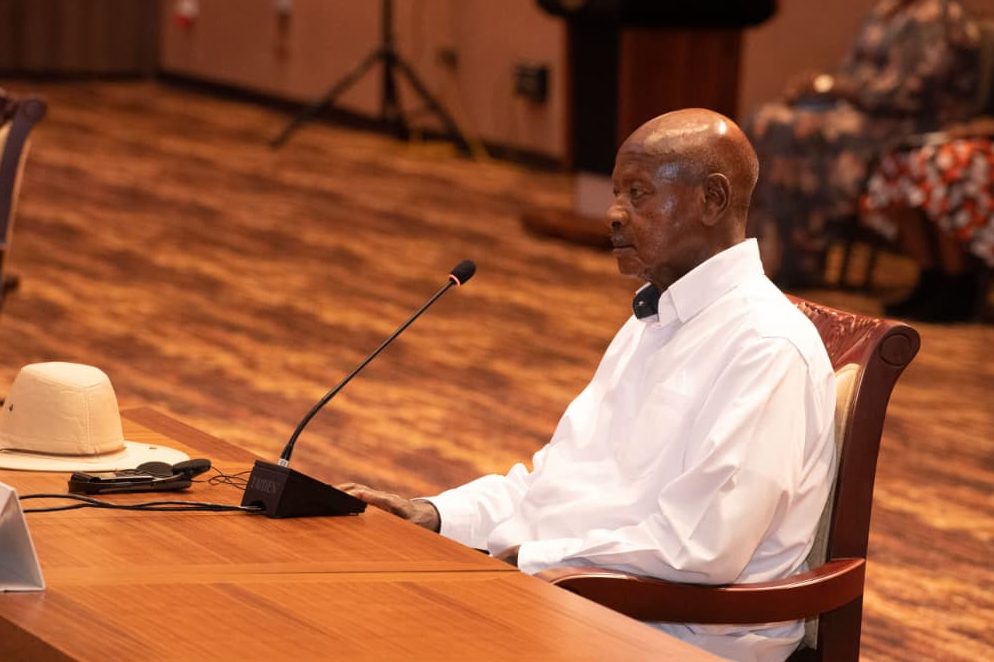
According to reports on the repatriation, President Yoweri Museveni, who granted King Oyo an official state burial, is expected to lead a delegation of government officials, members of the Royal Family, and cultural leaders at Entebbe International Airport for the reception of the remains. It will be a gathering that reflects just how significant this loss is, not only for Tooro Kingdom but for Uganda as a whole.
The Road to Karuziika Palace
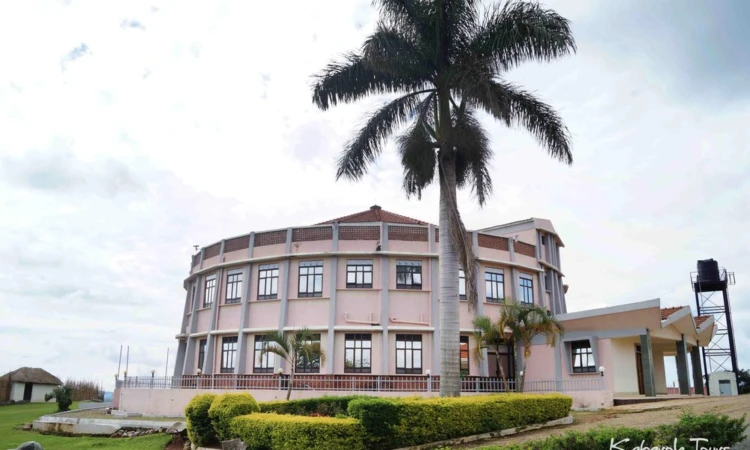
Once the airport ceremony concludes, the body will be transported westward into Uganda’s interior before arriving at Karuziika Palace in Fort Portal, the historic seat of the Tooro Kingdom. The palace will serve as the site where the king lies in state throughout the official mourning period, allowing citizens, royals, and dignitaries to pay their respects.
Under protocols announced by the Office of the Musuuga, the official nine-day mourning period for Tooro Kingdom will formally begin the moment King Oyo’s body arrives at Karuziika Palace. Nine days is not a short time. It is a period steeped in tradition and cultural weight, a structured space for grief, ceremony, and the kind of communal mourning that small kingdoms rarely get to practise on this scale in the modern world.
The Voice of the Kingdom
Tooro Prime Minister Calvin Armstrong Rwomiire has been one of the most visible voices guiding the public through this period. His words have carried both the gravity of leadership and the rawness of genuine loss. “At this solemn moment, there can be no greater priority for the Kingdom than bringing our King home and laying him to rest with the dignity, honour and respect befitting His Majesty,” Rwomiire said, framing the repatriation not merely as a logistical operation but as a sacred obligation.
It is the kind of statement that lands differently when you understand who King Oyo was and what his life represented.
The Boy Who Became King
King Oyo’s story is, by any measure, one of the most remarkable in modern African royal history. He ascended the Tooro throne in September 1995 at the age of three, following the death of his father, Omukama Patrick David Matthew Kaboyo Olimi III. Three years old. At an age when most children are learning to tie their shoes, Oyo Nyimba Kabamba Iguru Rukidi IV became a king.
He reigned for nearly 31 years, growing up in the spotlight, navigating the complex intersection of traditional monarchy and a rapidly modernising Uganda. He became a figure of cultural continuity in a region where that continuity is hard-won. His death at 34 cuts short what many hoped would be a decades-long era of leadership for Tooro Kingdom.
The cause, an aggressive form of cancer, serves as a grim reminder that illness does not discriminate by crown or title. King Oyo had been receiving treatment in the United States, specifically in Dallas, Texas, when he passed on August 27. The decision to seek treatment abroad underlines both the severity of his condition and the lengths the kingdom went to in attempting to save him.
What His Death Means for Tooro Kingdom
Tooro is one of Uganda’s formally recognised cultural institutions, and its king held a role that blended cultural custodianship with significant symbolic authority. King Oyo’s death leaves a void that will not be easy to fill. Questions about succession and the kingdom’s path forward will inevitably surface in the weeks and months ahead, though now is not the moment for those conversations. Now is the moment for grief.
The formal funeral programme, once triggered by the arrival of the remains at Karuziika Palace, will set a national tone. A nine-day mourning period is not just tradition. It is the kingdom’s way of saying that this loss demands time, demands ceremony, and demands collective acknowledgement.
Uganda has seen state funerals before, but few carry the specific emotional weight of losing a king who spent his entire conscious life in service to his people, who literally grew up on a throne. The images of a small child being crowned in 1995 are burned into the memory of an entire generation.
A Country Prepares to Say Goodbye
From Entebbe Airport to Fort Portal, the route King Oyo’s body will travel is also a kind of geography of national mourning. Western Uganda, home to Tooro Kingdom, will receive its monarch after a journey of thousands of miles. The people who line the roads, the dignitaries who stand at attention, the family members who have been carrying this grief quietly while logistics were sorted across continents: they will all exhale together when the body finally arrives.
President Museveni’s presence at Entebbe is significant. It elevates the reception beyond a purely cultural affair and signals the government’s recognition of King Oyo’s standing in Uganda’s national life. An official state burial, by any definition, is a statement.
As Uganda readies itself for Friday and the nine solemn days that follow, one question lingers in the air: how does a kingdom that was defined by the energy and presence of one young man begin to imagine its future without him?