


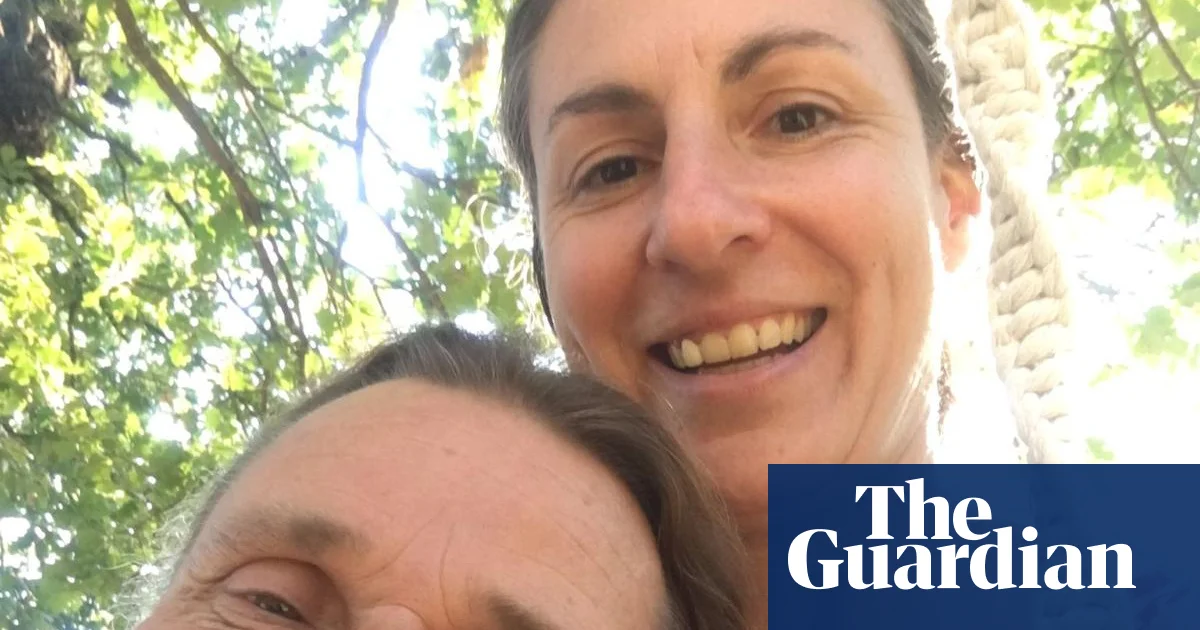
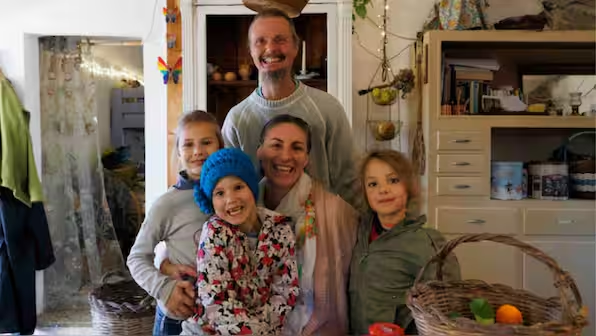
For two years, Catherine Birmingham and Nathan Trevallion lived inside a legal nightmare that played out in full public view. The Melbourne-born woman and her British partner had built an off-grid life in rural Italy, raising their three children the way they believed was right. Then, authorities removed those children from their home, and the couple found themselves at the centre of a global conversation about parental rights, state intervention, and the boundaries of how families are allowed to live.
Now, with a court finally granting partial access rights, the couple are speaking about what that enforced separation cost them. Their words are not measured or diplomatic. According to reporting in The Guardian, the couple described the experience as pure “anguish,” saying the forced time apart from their children “broke each of our hearts.”
A Life Chosen, Not Fallen Into
Off-grid living is not a crisis. For millions of people across Europe, Australia, and North America, it is a deliberate, considered choice, rooted in values around sustainability, self-sufficiency, and a rejection of consumer culture. Birmingham and Trevallion were not fleeing something. They were building something, a home and a family on their own terms, in the Italian countryside.
The property they lived on was described in court proceedings as “dilapidated,” a word that carries heavy legal weight when child welfare enters the picture. But the gap between a house that needs work and a home that is harmful to children is vast, and that distinction became the fault line running through this entire case. What Italian authorities saw as neglect, the couple saw as a work in progress, a chosen life rather than an imposed hardship.
The Moment It All Changed
When the children were removed, the couple did not retreat quietly. They fought back publicly, drawing attention from audiences across the UK, Australia, and beyond. The case became something of a lightning rod for wider debates about how Western states assess and sometimes penalise unconventional family structures. Critics of the Italian court’s intervention argued that poverty of aesthetics, a rough home, an alternative lifestyle, should never be conflated with poverty of care.
Supporters of the court’s decision, meanwhile, pointed to child welfare frameworks that place the state in a protective role, regardless of a family’s intentions. These are not easy arguments to resolve, and the Birmingham-Trevallion case did not resolve them. It simply made them louder.
What “Partial Access” Actually Means
The judge’s decision to allow partial access rights is a step, but not a resolution. For parents who have spent two years separated from their children, a partial arrangement is both a relief and a reminder of how much ground remains to be recovered. The emotional architecture of a family does not simply reset when a court grants a visiting schedule. Trust has to be rebuilt, routines re-established, and children who have been through upheaval need time and stability that legal paperwork alone cannot provide.
Birmingham and Trevallion’s description of heartbreak is not dramatic language. It is an accurate account of what happens when the state steps between parents and children, even when the state believes it is acting in the children’s best interest. The trauma is real on all sides, and it does not disappear when a judge signs an order.
The Bigger Question This Case Raises
Cases like this one force a question that most societies prefer to leave unanswered: who gets to define a good enough home? Building codes and welfare checklists are blunt instruments when applied to lives lived outside the mainstream. A family growing their own food, schooling their children differently, and living without mains electricity is not automatically in crisis. But they are also more visible to authorities, more vulnerable to scrutiny, precisely because they do not fit standard templates.
Italy’s family court system, like those in many European countries, operates within a framework designed to protect children from genuine harm. The difficulty is that genuine harm can look very different from unconventional parenting, and the two are not interchangeable. What this couple endured over two years is a cautionary example of what happens when that distinction is not drawn carefully enough.
A Long Road Back
The couple’s willingness to speak openly about their “anguish” and heartbreak suggests they are not done fighting, not just for their own family, but for the principle that parents should be able to raise children in ways that differ from the norm without facing automatic suspicion. Their story resonated globally because it touched something many people quietly fear: that the choices you make, even loving, deliberate ones, can be used against you.
Partial access rights are not the ending Birmingham and Trevallion deserve. But they are, perhaps, the beginning of a path back to the family life they chose in the first place.
Where should the line fall between protecting children and respecting a family’s right to live differently? Leave your thoughts below.