


A concert was supposed to be the main event. Instead, the parking lot became the story. Women attending a Diamond Platnumz show at BK Arena in Kigali, Rwanda were reportedly turned away by security personnel who judged their clothing to be too revealing, setting off a wave of public anger that has since grown well beyond the venue gates.
The incident, which occurred on a Saturday night, has cracked open a debate that touches on personal freedom, the reach of state authority, and what it actually means to police public decency. And the questions being asked right now are sharp ones.
What Happened Outside BK Arena
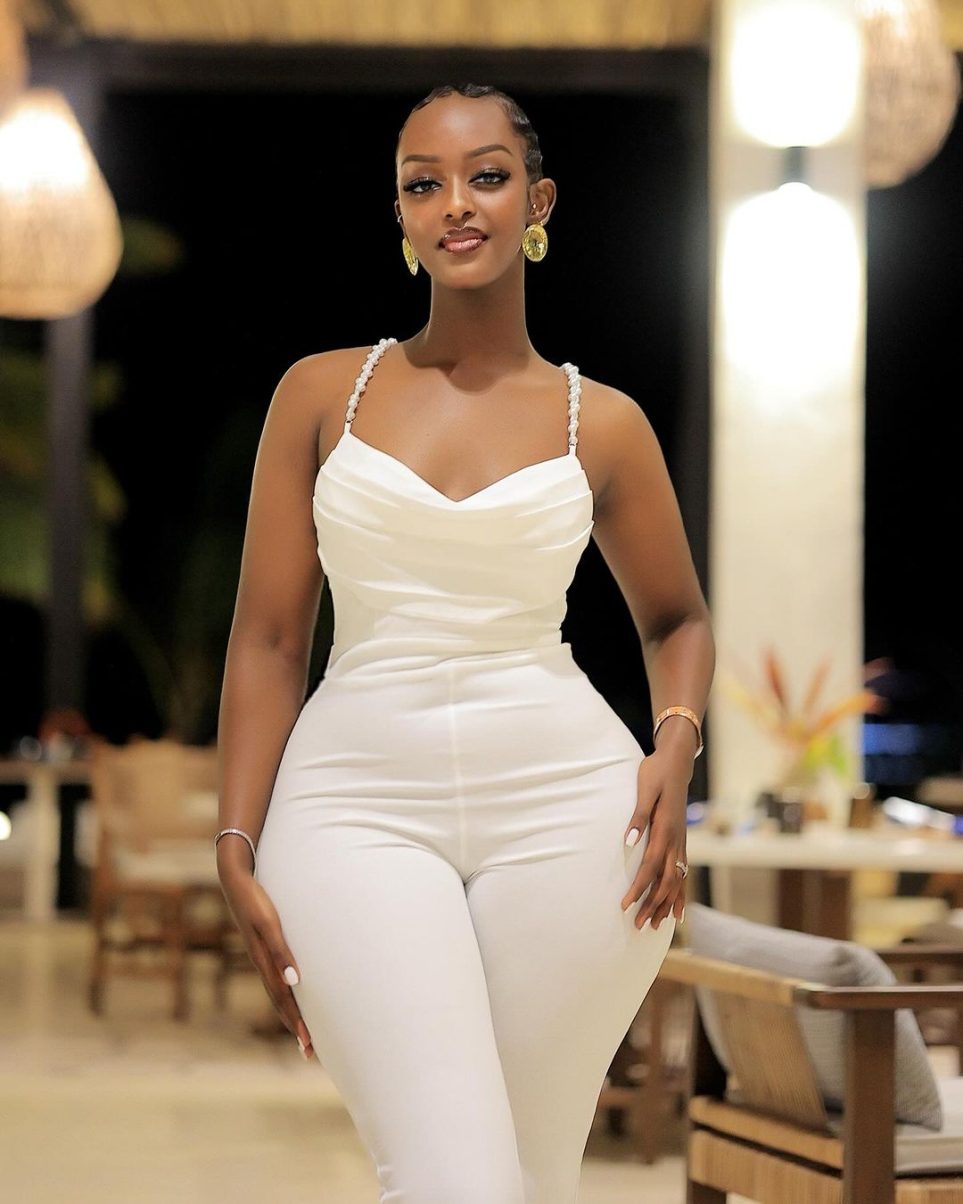
According to accounts that surfaced after the concert, security personnel stationed at the BK Arena parking lot turned away a number of women on the basis that their outfits did not meet an unspecified standard of modesty. The action was framed within Rwanda’s ongoing government campaign targeting what authorities have described as indecent conduct and excessive alcohol consumption, a crackdown that President Paul Kagame has personally championed, famously describing alcohol abuse as a national “religion of alcohol.”
But what reportedly unfolded went beyond a polite redirection at the door. One concertgoer alleged that police officers threatened her with detention and physical assault after she questioned officers about her clothing. She further claimed that officers mocked her limited command of Kinyarwanda and that a male friend who stepped in to defend her was physically beaten. These are serious allegations. Rwanda National Police had not publicly addressed the specific account at the time the story broke, and the claims could not be independently verified. Still, the weight of the accusations has kept the story alive and the conversation heated.
As reported by Chimpreports, the episode raised an immediate and practical question: were concertgoers ever told in advance what they were and were not allowed to wear? If a dress code existed, it was not communicated clearly to the public before they arrived at the venue.
A Government Campaign Meets Personal Autonomy
Rwanda has been running a sustained public-order drive in recent years, one that sits comfortably within the governing philosophy of tight social regulation that has defined much of President Kagame’s leadership. The country has built an internationally admired reputation for cleanliness, order, and low crime. But critics have long noted that this order comes with trade-offs, and those trade-offs tend to land hardest on ordinary citizens who lack the power to push back.
The crackdown on “indecent” clothing is not new. Authorities have previously targeted dress they deem inappropriate in public spaces. What made this incident different is the visibility of the setting. A Diamond Platnumz concert is not a quiet corner of the city. It is a major, high-profile entertainment event drawing thousands of people. Enforcing an informal and apparently uncommunicated dress code at such a gathering, with allegations of threats and violence attached, does not look like governance. It looks like something else entirely.
The Voices Speaking Out
The public response has been pointed. Rwandan commentator Nadia Mugunga did not mince words. “Is this policing or intimidation?” she asked, directly challenging whether law enforcement has any legitimate authority over the clothing choices of citizens. “Who gave the police the power to police Rwandans’ bodies and identity?”
Pamela Uwicyeza took a similarly firm stance, arguing that a person’s clothing has no bearing on how they deserve to be treated. “A woman’s body is not an invitation for control,” she said. “No woman should be told what she is ‘allowed’ to wear, and no one deserves violence, humiliation or fear because of her clothing.”
Both statements cut to the heart of a tension that is not unique to Rwanda. Governments across the world have, at various points, attempted to legislate how women dress in public spaces. From religious conservatism to secular nationalism, the impulse to control female presentation has a long and uncomfortable history. The methods change. The underlying message tends to stay the same.
The Unanswered Questions
Several things remain unresolved. The most basic is the question of standards: what exactly constitutes “indecent” clothing in Rwanda, and who gets to decide in real time, standing in a parking lot on a Saturday night? Without a published, publicly available dress code, the enforcement becomes entirely subjective, which opens the door to inconsistency, bias, and abuse.
There is also the matter of proportionality. Even if one accepts that some form of public decency standard is legitimate, the response described by the concertgoer, including threats, mockery about language, and alleged violence against a bystander, would represent a wildly disproportionate use of authority. If the allegations are accurate, this is not law enforcement. It is intimidation.
The Rwanda National Police’s silence on the matter has done nothing to ease public concern. In the absence of an official response, the account offered by the concertgoer fills the vacuum. That vacuum is damaging.
Why This Moment Matters
Rwanda has worked hard over the past two decades to build a global image as a progressive, forward-looking country. It has positioned itself as a leader in gender equality on the continent, consistently ranking among the top nations in the world for female political representation. That reputation now sits in an awkward conversation with images of women being turned away from a concert and an allegation that a man was beaten for coming to a woman’s defense.
These contradictions are not unique to Rwanda, but they are worth sitting with. A country can lead in formal gender metrics while still producing street-level experiences that tell women their bodies are subject to other people’s approval. Progress at the policy level does not automatically translate into dignity at the parking lot gate.
The debate this incident has sparked is far from over. It is, if anything, the kind of conversation that tends to grow louder the longer it goes unanswered by those in authority.
So here is the question worth taking into this week: when a government’s definition of decency starts and ends with what a woman is wearing, who exactly is being protected, and from what?