









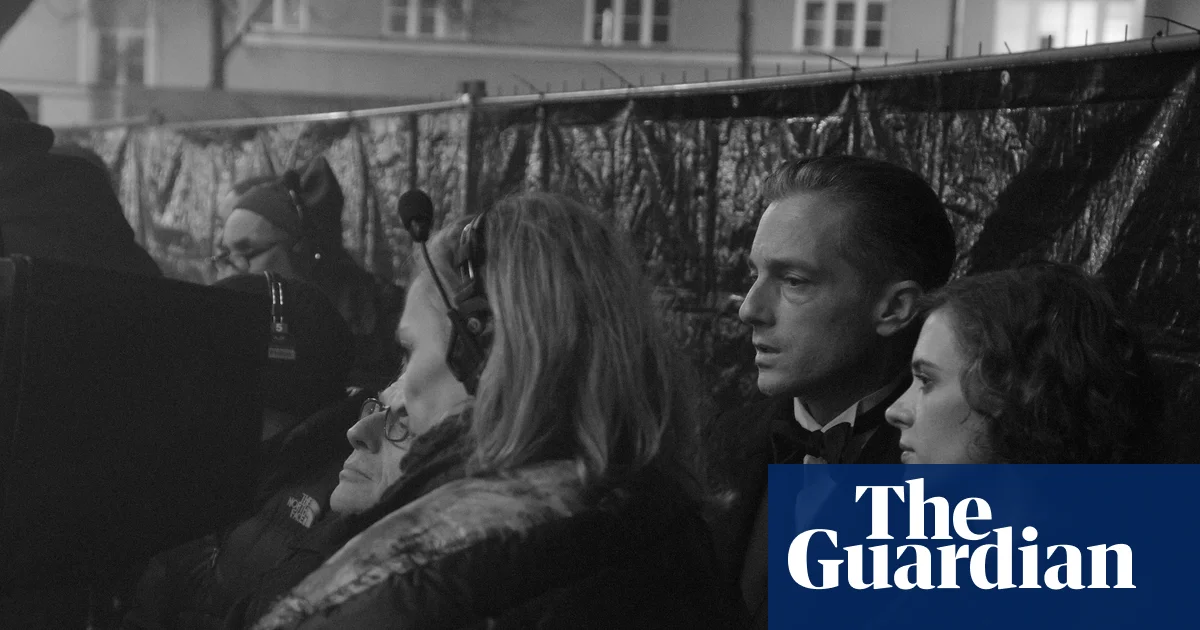
After more than a decade of smoky cabarets, political intrigue, and the slow suffocation of a fragile democracy, Babylon Berlin is finally bowing out. The German-language drama, which transported global audiences into the dazzling and deeply unstable world of 1920s Berlin, reaches its conclusion in its final season, arriving at the moment history has always been dreading: the rise of Adolf Hitler. It is a dramatic endpoint that the show’s creators spent 13 years building toward, and yet the world outside the screen has made it feel less like a history lesson and more like a mirror.
A Show Born from One Era, Finished in Another
When production first began on Babylon Berlin, the creators were working with material that felt safely historical. The Weimar Republic, Germany’s short-lived democratic experiment between the two World Wars, was a rich and largely under-dramatised chapter of European history. Its contradictions were irresistible for storytelling: a society of extraordinary cultural creativity sitting on top of economic devastation, political extremism, and institutional rot.
Thirteen years is a long time in television. It is an even longer time in global politics. The show’s makers have reflected, with some unease, on how much the landscape has shifted since they first set cameras rolling. Democracies they never expected to see under serious stress have wobbled, lurched, and in some cases, broken in alarming ways. The United States, Hungary, South Korea, each has experienced its own version of democratic turbulence in the years since Babylon Berlin began production. What started as a portrait of a specific historical catastrophe began to feel, season by season, like a broader warning.
Why Weimar Still Speaks to Us
The Weimar Republic lasted from 1919 to 1933, roughly fourteen years. It was, by any measure, a genuine democratic achievement built on the ruins of imperial Germany after the First World War. It gave women the vote, enshrined civil liberties, and fostered an artistic scene that produced some of the twentieth century’s most enduring work. It also collapsed completely, consumed by inflation, political violence, parliamentary dysfunction, and the calculated exploitation of democratic rules by forces that had no interest in preserving them.
That combination, an open society undone not by external invasion but by internal pressures and bad-faith actors working within the system, is what gives the Weimar story its continued relevance. Historians and political scientists have pointed to Weimar repeatedly over the past decade as a reference point for understanding how democracies can fail not with a dramatic coup, but with a slow erosion that many citizens barely notice until it is too late.
Babylon Berlin dramatised all of this with extraordinary production value and narrative ambition, drawing global audiences into a world where the chaos felt lived-in rather than staged. As the show’s creators told the Guardian, the parallels between their fictional Weimar Germany and contemporary political realities have grown into something they could not have anticipated when the project began.
The Final Season and the Weight of History
Bringing Hitler’s rise to power onto the screen is not a small artistic decision. It represents the terminal point of everything the show has been building: the moment when democratic failure becomes totalitarian fact. For a show that has always played in the tension between hope and catastrophe, between the energy of a free society and the forces trying to destroy it, this finale carries enormous narrative weight.
There is also a particular responsibility that comes with dramatising this moment in 2026, when audiences are not approaching it as pure history. Viewers bring their own anxieties to the screen now. They watch political strongmen accumulate power and recognise the cadence. They see parliamentary systems gamed and gutted and feel a cold familiarity. The fictional archive of Weimar Germany has become, somewhat uncomfortably, a kind of instruction manual for recognising political warning signs in the present.
The Hedonism Was Always the Point
One of the most effective storytelling choices Babylon Berlin made from the very beginning was to foreground the pleasure and the culture of Weimar alongside the politics. The cabarets, the fashion, the art, the sexual freedom, all of it served a narrative purpose beyond spectacle. It captured how ordinary life continues, and often flourishes, even as structural forces work to end it.
That is one of the most uncomfortable truths the show delivers. Civilisation does not feel like it is ending when it is ending. People dance. People fall in love. People go to work and argue about small things while large things are decided without them. Babylon Berlin has always understood that the catastrophe of Weimar was not obvious to the people living through it, and that is precisely what makes it so unsettling to watch now.
What Happens After the Credits Roll
The end of a show this ambitious and this long-running inevitably prompts reflection, not just on the story it told, but on the moment it leaves us in. Thirteen years of work, culminating in a season about the definitive collapse of democratic Germany, landing in a world where democratic backsliding is a documented global trend rather than a fringe concern: the timing is not accidental, even if it was never entirely planned.
The creators of Babylon Berlin built something that has, almost despite itself, become a reference point in cultural conversations about political fragility. They set out to make great television set in a fascinating historical era. They ended up making something that functions as both entertainment and a kind of long-form civic education, asking audiences to sit with the discomfort of watching people fail to save something worth saving.
Whether or not we are living through our own Weimar moment is a question historians will debate for decades. But the fact that the question is being asked at all, with genuine urgency, tells you something important about where we are. Babylon Berlin ends its run having done what the best historical drama always does: not just explain the past, but make you look at the present differently.
So here is the question worth sitting with long after the final episode fades to black: if we already know how the Weimar story ended, what exactly are we waiting for before we take the warning seriously?