










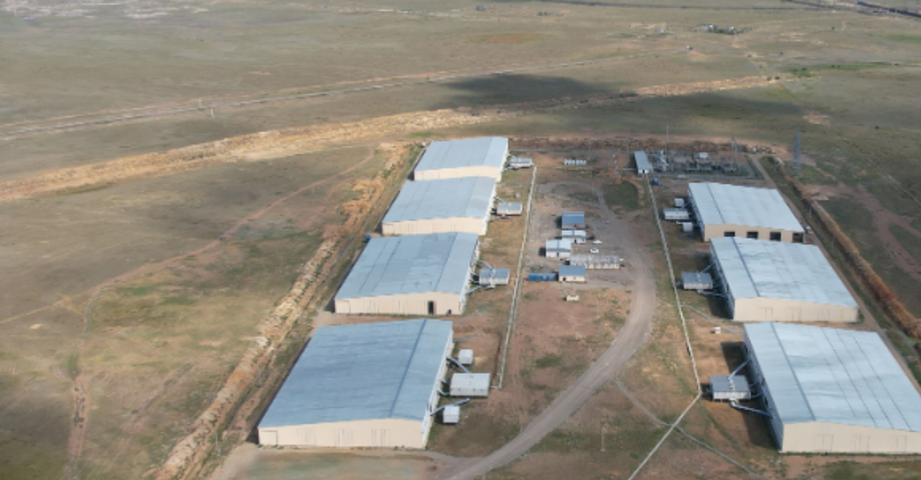
For a few electric years, the Bitcoin mine felt like a portal to the future. Rows upon rows of custom computers, stacked ceiling-high in temperature-controlled warehouses, churning away twenty-four hours a day in pursuit of digital gold. The Ekibastuz Bitcoin mine, opened in 2020 in Kazakhstan, became something of a symbol for that era, a monument to the belief that cryptocurrency would reshape global finance. Today, the industry those mines helped build is undergoing a dramatic change in direction, one that says as much about the fragility of crypto fortunes as it does about the relentless appetite for AI computing power.
When the Gold Rush Loses Its Shine
Bitcoin mining was never a casual hobby. Companies poured enormous sums into acquiring the specialised, high-powered computers needed to compete. The logic was seductive: as the price of Bitcoin climbed, the reward for running those machines made the energy bills and hardware costs worthwhile. And for a while, the numbers sang. Bitcoin hit a peak of roughly $124,000 per coin in October 2025, a figure that would have seemed outlandish just a few years prior.
Then the tide went out. Since that October peak, the value of Bitcoin has dropped sharply, squeezing the margins of mining operations that had scaled up precisely because prices were so high. Worse, the rewards miners receive for verifying transactions have also declined. Bitcoin’s architecture is designed to reduce those payouts over time, a process baked into the system from the very beginning. The combination of falling coin values and shrinking block rewards has put real pressure on companies that built their entire business model around one asset.
The Pivot Nobody Should Be Surprised By
Here is the thing about a warehouse full of high-performance computers: they don’t care what they’re computing. The same processing muscle that races to solve the cryptographic puzzles required for Bitcoin mining is, at its core, exactly what artificial intelligence systems need to train models and run complex calculations. The hardware is largely compatible. The infrastructure, the power supply, the cooling systems, is already in place. All that changes is the software and the client paying the bill.
That realisation has triggered a wave of deals between former crypto mining companies and the AI industry. Firms like Anthropic, which is spending billions building out the infrastructure needed to remain competitive in a fiercely contested AI race, are natural partners for mining companies sitting on underused computing capacity. For the miners, it’s a lifeline. For AI companies, it’s a way to rapidly scale up the data centre capacity they desperately need without building from scratch.
Why AI Has Such an Insatiable Appetite for Computing Power
To understand why this pivot works so neatly, it helps to look at what both industries actually need. Bitcoin relies on a decentralised network of computers that collectively verify every transaction on the blockchain. Because no single bank or authority sits at the centre, the network itself must do the work, and doing that work correctly requires significant computing effort. Miners are essentially the engine room of the entire system.
AI models, particularly the large language models and image generators that have captured public imagination, require similarly intense computational resources during both their training phase and their day-to-day operation. Training a cutting-edge AI model can consume as much electricity as a small town. Running it at scale isn’t cheap either. The data centres that house these systems need to be enormous, reliable, and constantly cooled. Sound familiar? It should, because it’s almost exactly what a large-scale Bitcoin mining facility already looks like.
What This Means for the Future of Crypto
The pivot raises a genuinely interesting question about the long-term stability of Bitcoin’s network. Mining isn’t just about profit for the companies involved. Those miners perform a critical function: they secure the blockchain by verifying transactions. If economic pressure drives more and more mining companies away from Bitcoin and toward AI contracts, the computing power dedicated to maintaining the network could shrink. A less powerful network is, at least in theory, a more vulnerable one.
That said, Bitcoin has survived dramatic swings in miner participation before. The network is designed to adjust the difficulty of its mathematical puzzles based on how much computing power is actively competing, so a drop in miners doesn’t automatically mean catastrophe. Still, a sustained exodus of large industrial players would be a meaningful shift in how the cryptocurrency operates.
The Broader Story About Capital and Adaptability
What’s perhaps most telling about this moment isn’t the technology at all. It’s the behaviour of capital. The companies pivoting from crypto to AI are not abandoning technology, they’re following the money with remarkable efficiency. The infrastructure they built during the Bitcoin boom, funded by investor enthusiasm and rising coin prices, is now being repurposed for the next wave of technological investment. It’s a reminder that in the technology sector, the underlying assets often outlast the original use case.
The Ekibastuz mine opened as a symbol of crypto’s rise. Whether facilities like it will become symbols of AI’s infrastructure build-out is a story still being written. What’s clear is that the firms running those machines are not waiting around to find out which way the wind blows next. They’re already pivoting, already signing deals, already pointing their servers at a new horizon.
The real question worth sitting with: as the line between crypto infrastructure and AI infrastructure blurs further, what does that mean for who ultimately controls the computing power that both industries, and increasingly our daily lives, depend on? And should we be paying much closer attention to the answer?