




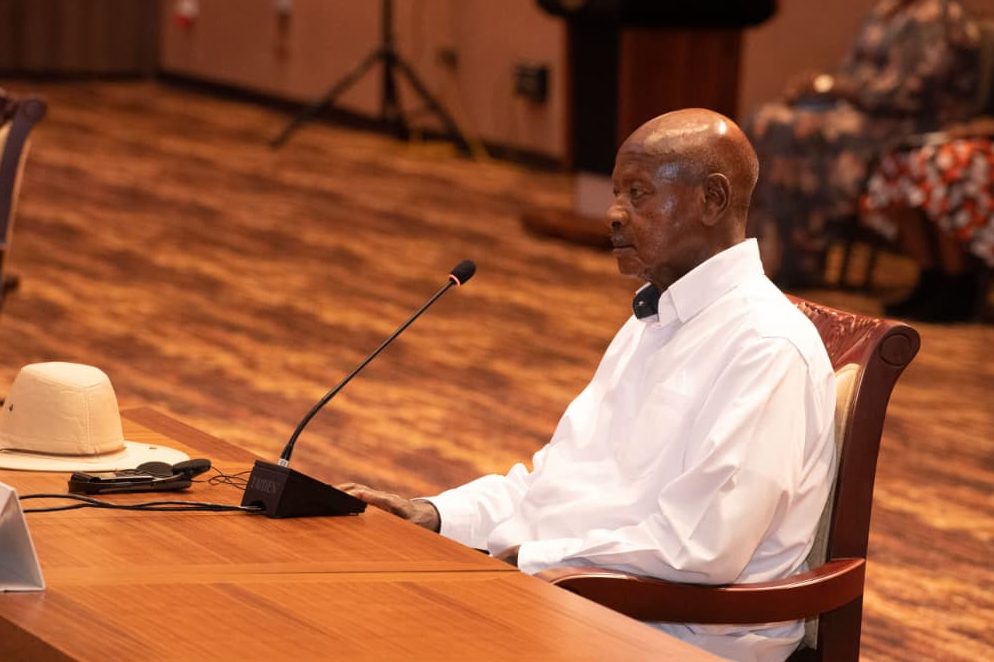






In an industry where artists regularly drop forgettable filler between their bigger moments, Ugandan songwriter and singer Dokta Brain is making a claim that most creatives would never dare to put in writing: he has never written a bad song. Not one. Zero. The declaration, made recently and reported by Mbu, has turned heads across Uganda’s music circles and sparked a wider conversation about craft, quality control, and what it really means to finish a song.
The Standard He Sets Before Pressing Record
What separates Dokta Brain’s confidence from plain arrogance is the reasoning behind it. He is not suggesting that every idea he has ever had is gold. The distinction he draws is sharper than that. For him, a song and an idea are two entirely different things, and he refuses to let an idea masquerade as a finished track.
“I killed the thought of making a bad song,” he has said. “Every song I write, I first make sure it’s good before I call it a track; otherwise, it’s just an idea.” That single sentence tells you everything about how he operates. The quality check happens before the studio session, not after. Most artists flip that order, which is precisely why so many albums carry dead weight.
This kind of internal filter is rarer than people realise. The music industry is littered with artists who confuse productivity with progress, equating the number of tracks recorded with the quality of the output. Dokta Brain’s approach suggests he measures output differently. A high body count of mediocre songs is not a portfolio; it is a liability.
Writing for Others Requires a Completely Different Lens
Dokta Brain is not just recording his own music. A significant part of his career involves writing songs for other artists, and that creative responsibility demands a layered thought process that goes well beyond personal taste. When he sits down to write for someone else, the song needs to fit that artist the way a tailored suit fits a specific frame.
He has spoken openly about the variables he weighs when crafting songs for other performers. The style of the track matters. The personality and vocal identity of the intended singer matters. And crucially, whether the song would even work within his own artistry matters too, because that question helps him decide whether to perform it himself or pass it along.
“For me to pick a song and sing it myself, it depends on many things,” he explained. “Some are feminine and I can’t sing them, so I sell them.” This kind of self-awareness is a professional skill on its own. Knowing what does not belong in your lane, and having the discipline to redirect it rather than force it, is what separates working songwriters from hobbyists.
The Economics of Selling Songs
There is a business layer here worth acknowledging. When Dokta Brain writes a song that does not fit his own voice or brand, he sells it. That is not a compromise; that is shrewd. The song still finds its best home, the artist who receives it gets material that actually suits them, and Dokta Brain keeps his own catalogue clean and consistent. Everyone wins.
This model mirrors how Nashville’s songwriting ecosystem has worked for decades, and how much of the K-pop industry operates too. Great songs are not always written by the people who perform them, and the best songwriters know how to write for a voice that is not their own while still maintaining artistic integrity throughout the process.
What This Means for Uganda’s Music Landscape
Uganda’s music industry has grown considerably over the past decade, with artists finding larger audiences across East Africa and beyond. But the infrastructure around songwriting, as a profession distinct from performing, is still maturing. When established artists like Dokta Brain speak publicly about their creative process and quality standards, it adds something valuable to that conversation.
It signals that songwriting deserves to be treated as a discipline with its own craft, ethics, and standards, not just a byproduct of being a musician. Young artists coming up in the industry benefit from hearing that the internal editorial process matters as much as what eventually gets released.
Dokta Brain’s confidence is not blind ego. It is the product of a system he has built and stuck to. He has decided what a finished song looks like, and he does not move past that definition until the work meets the standard. That kind of commitment to craft is exactly what separates artists who build lasting careers from those who burn bright for a single cycle and disappear.
Confidence Built on Process, Not Just Talent
Talent without process produces inconsistency. Process without talent produces competence at best. The rare combination of both is what makes a career like Dokta Brain’s worth watching. His claim that he has never written a bad song is bold, yes. But it is a boldness that comes from knowing his own system inside out.
Whether you take that claim at face value or treat it as aspirational branding, the underlying philosophy deserves respect. Set a standard. Honour it before you call something finished. Know what you can perform yourself and what belongs in someone else’s hands. These are not just music industry lessons; they are creative principles that apply across disciplines.
So here is the question worth sitting with: how many of us, in whatever craft we practise, actually know the difference between a good idea and a finished piece of work? And more to the point, do we have the discipline to keep that distinction honest?