






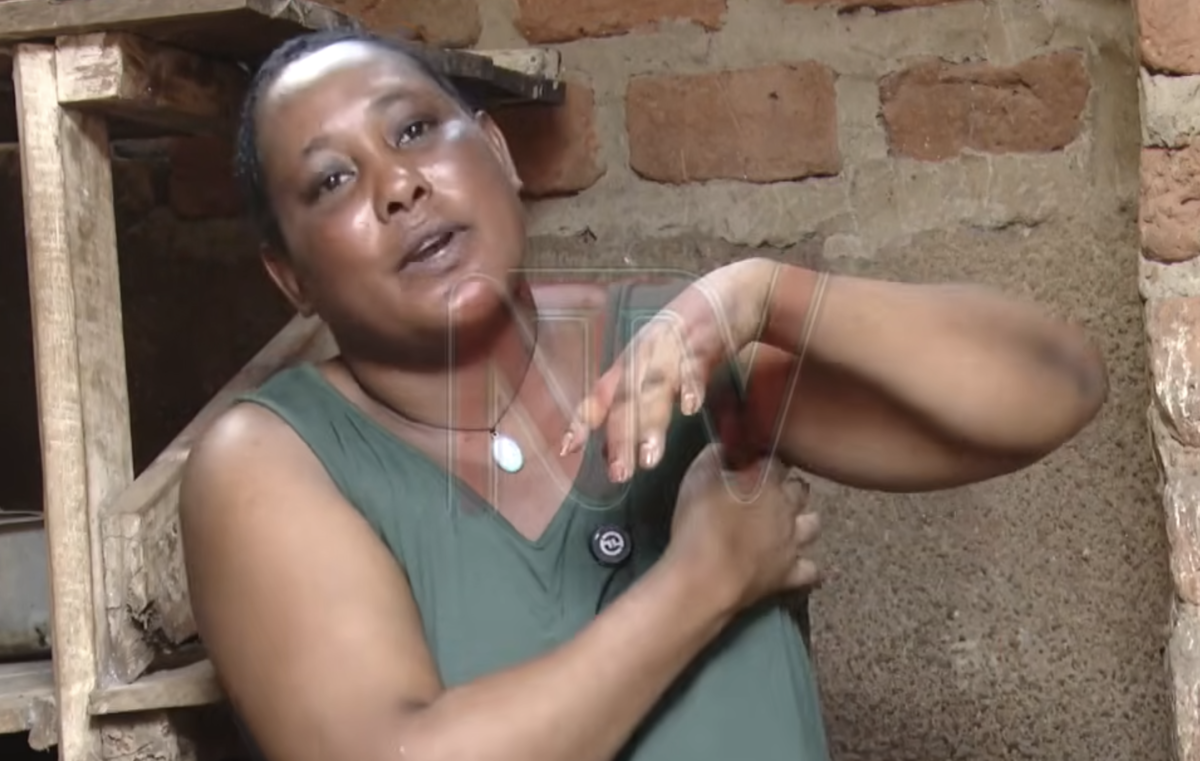
For Prossy Nanyonga, the past two years have been a brutal education in what it means to live with cancer. Her story, shared publicly just a day ago, laid bare something that medical professionals have long known but rarely said loudly enough: that suffering from unmanaged pain is not an inevitable part of a cancer diagnosis. It is a failure of care. And it is a failure that Dr Eve Namisango, head of the African Palliative Care Association, believes Africa can no longer afford to overlook.
The Story Behind the Conversation
Nanyonga’s account of living with cervical cancer for over two years brought a human face to a crisis that statistics alone have struggled to convey. Her experience is not unique. Across Uganda and the wider African continent, hundreds of thousands of people are diagnosed with cancers each year, and a significant proportion of them reach medical facilities only at advanced stages, when curative treatment is no longer an option. What remains, then, is not recovery. What remains is life, and the quality of it.
That is precisely where palliative care enters, and where Dr Namisango’s work becomes not just medically relevant but morally urgent. Speaking in response to Nanyonga’s testimony, she made a point that carries real weight: pain relief is not a luxury reserved for those with a chance of survival. It is a basic human right, regardless of prognosis.
What Palliative Care Actually Means
There is a persistent and damaging misconception that palliative care is something you receive when all hope is lost, a kind of medical giving up. Dr Namisango pushes back hard against that framing. Palliative care, properly understood, is about comfort, dignity, and managing symptoms so that a person can live as fully as possible with whatever time they have. It is not about hastening death, nor about abandoning treatment. It is about treating the whole person, not just the disease.
Pain management sits at the heart of this approach. When a cancer patient’s pain is controlled, everything else shifts. Sleep improves. Appetite returns, at least partially. The ability to speak with family, to think clearly, to participate in decisions about one’s own care, all of that becomes possible again. Without adequate pain relief, none of it is accessible. The person disappears behind the agony.
Access Remains the Stubborn Problem
Uganda has made genuine strides in palliative care policy over the past two decades. The country was among the first in sub-Saharan Africa to integrate palliative care into its national health policy, and oral morphine has been available through the national health system for years. But availability on paper and access in practice are two very different things. Many patients in rural areas never reach a facility where palliative care is offered. Many health workers lack the training to assess pain accurately. And many families, unfamiliar with what palliative care involves, resist it out of fear that accepting it means accepting death.
Dr Namisango’s message cuts through that fear with clarity. Seeking pain management early, she argues, is not surrender. It is strategy. Getting support before pain becomes unbearable means patients retain more control, more lucidity, and more quality time with the people they love.
The Broader African Picture
The African Palliative Care Association has been working across the continent to build capacity, influence policy, and shift the cultural conversation around end-of-life care. It is slow, painstaking work. Healthcare budgets across much of sub-Saharan Africa remain stretched thin, and palliative care rarely commands the same political attention as infectious disease or maternal health. Yet the numbers tell a story that demands attention.
The World Health Organization estimates that only about 14 percent of people globally who need palliative care actually receive it, with the gap most severe in low- and middle-income countries. In Africa, where cancer cases are projected to nearly double by 2040 according to International Agency for Research on Cancer projections, that gap will become a chasm unless systems are built now to address it.
Changing the Culture Around Dying
Beyond the clinical and logistical challenges, there is a cultural dimension that health advocates like Dr Namisango must navigate carefully. In many Ugandan communities, open discussion of terminal illness, palliative care, or preparing for death is considered taboo, even an invitation to the very outcome people fear. Families sometimes pursue aggressive treatment long past the point where it serves the patient, because stopping feels like abandonment.
Shifting that mindset requires more than pamphlets or awareness campaigns. It requires trusted voices, community leaders, religious figures, healthcare workers, and, crucially, survivors and patients willing to speak as openly as Prossy Nanyonga did. Her willingness to share her experience publicly is exactly the kind of storytelling that moves communities in ways that data cannot.
What Patients and Families Can Do Right Now
Dr Namisango’s core message is practical as much as it is philosophical. If you or someone close to you is living with cancer, particularly a cancer that has progressed beyond early stages, ask directly about palliative care options. Do not wait until the pain is unbearable. Do not assume that nothing can be done. Healthcare providers at regional referral hospitals and many health centres in Uganda can discuss pain management options, and organisations like the African Palliative Care Association can point families toward resources and support networks.
The conversation Nanyonga started is one that thousands of families in Uganda are having privately, in hushed voices, often without answers. Dr Namisango is offering those answers, not just to clinicians, but to the public. Pain does not have to be the defining experience of cancer. That is not a promise of a cure. It is something arguably more valuable: a promise of dignity.
If someone you love is navigating a serious illness right now, what would it mean to them to know that freedom from pain is something they are entitled to ask for? And are we, as a society, doing enough to make sure they know they can ask?