









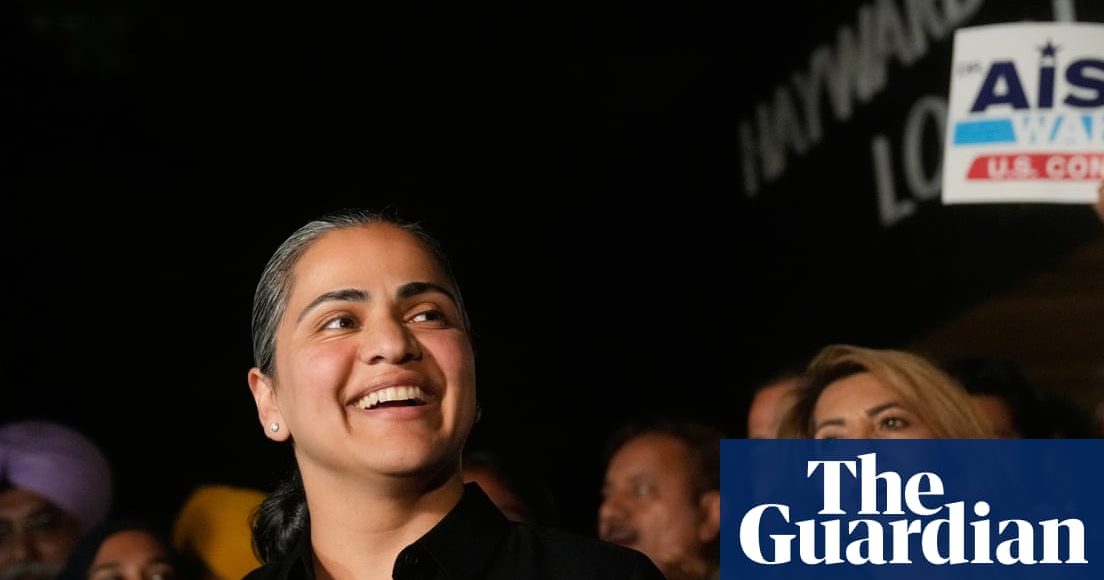
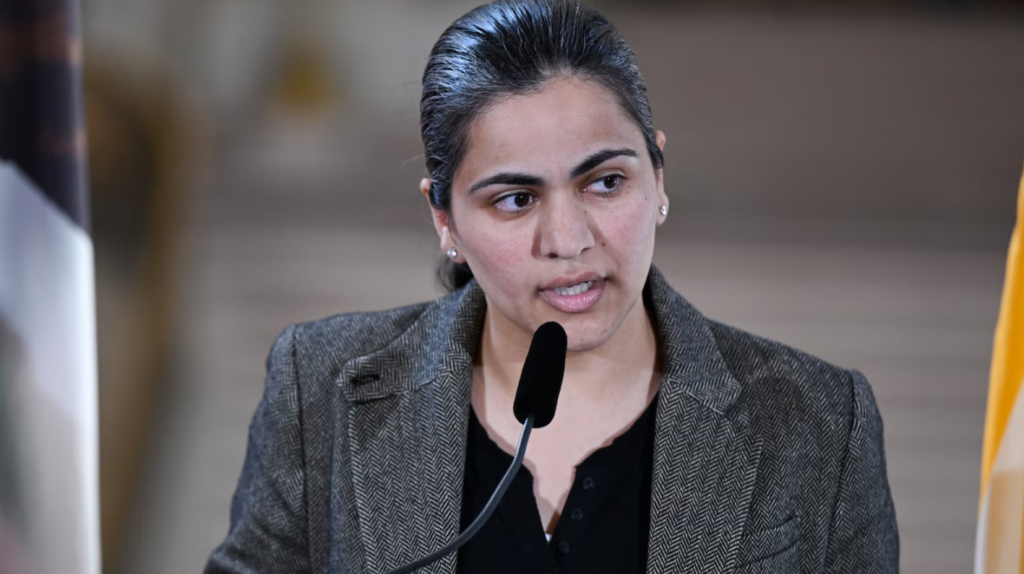
California’s East Bay has a new voice heading to Washington. Aisha Wahab, a state senator who ran as the progressive standard-bearer in a fractious Democratic contest, has won the special election to fill the congressional seat vacated by Eric Swalwell, who stepped down in April 2026 following sexual misconduct allegations he has denied. Her victory over rival Melissa Hernandez closes a chapter that was, by any measure, a turbulent one for the district.
How the Race Got Here
The seat did not become available under comfortable circumstances. Swalwell, a longtime presence in the East Bay’s political landscape, announced his resignation after the misconduct allegations became public. His departure forced a special election in a district where Democrats hold a firm grip, meaning the real competition was always going to happen within the party itself, not across the aisle.
That intra-party dynamic made the contest unusually sharp. When members of the same political family compete for the same prize, disagreements over ideology, endorsements, and coalition-building tend to surface fast. This race was no exception. According to reporting on the special election outcome, the battle between Wahab and Hernandez carried the kind of intensity typically reserved for a general election, not an August special.
Who Is Aisha Wahab?
Wahab came into the race as the frontrunner, and the weight of institutional support behind her made that status credible rather than presumptuous. The California Democratic Party lined up behind her. So did Our Revolution, the progressive organization that grew out of Bernie Sanders’ political movement, as well as labor unions, local elected officials, and California Attorney General Rob Bonta. That combination of grassroots credibility and party establishment backing is not something most candidates can assemble, and it gave Wahab a structural advantage from the first day of campaigning.
As a sitting state senator, she was not an unknown quantity. Voters in the East Bay had already evaluated her record at the state level, which lowered the barrier of trust that new candidates typically have to clear. In a special election, where turnout tends to be lower and name recognition matters even more than usual, that familiarity was worth something real.
What the Hernandez Campaign Represented
Melissa Hernandez was not simply a placeholder opponent. Her candidacy represented a different coalition and a different theory of how Democrats should govern and compete. The fact that the race turned into a genuine contest, rather than a coronation, reflects how much energy exists within the Democratic Party around questions of direction, representation, and policy priorities. Hernandez’s supporters believed their candidate had a compelling case. That the race stayed competitive deep into the campaign cycle suggests they were not wrong about their energy, even if the final result broke the other way.
The Broader Picture for California Democrats
California’s Democratic Party is not monolithic, and this race illustrated that truth in sharp relief. The state has long been a testing ground for progressive politics, but it is also a place where establishment structures still carry weight. The Wahab victory suggests those two forces managed to align in this instance, producing an outcome that the party’s formal leadership and its activist base can both claim as a win.
That alignment is not guaranteed anywhere. In other parts of the country, progressives backed by organizations like Our Revolution frequently find themselves running against candidates who enjoy state party support, not alongside them. California, in this case, offered a different dynamic, one where both sides of the Democratic coalition pointed at the same person.
What Comes Next in Washington
Wahab now heads to Congress as a freshman representative, stepping into a district with an established political identity and, after the turbulence of the past several months, a community ready for some stability. She will arrive in Washington carrying the expectations of labor unions who went to bat for her, progressive organizers who see her as one of their own, and a Democratic Party that needs wins wherever it can find them.
The East Bay is not a swing district. Its political character is well established. But what a representative does with a safe seat, how boldly they legislate, how much they invest in building national coalitions, how effectively they channel local concerns into federal policy, is where the real measure of a congressional career happens.
Wahab enters that arena with more goodwill and more structural support than most freshmen ever enjoy on day one. Whether she converts that opening into lasting influence is the question her tenure will eventually answer.
The seat is filled. The party moves on. But the dynamics that made this race so heated, the ideological tensions, the competing visions of what the Democratic Party should look like, do not disappear because one candidate won. They simply wait for the next opening. What do you think Wahab’s election signals about where the Democratic Party’s center of gravity is heading?